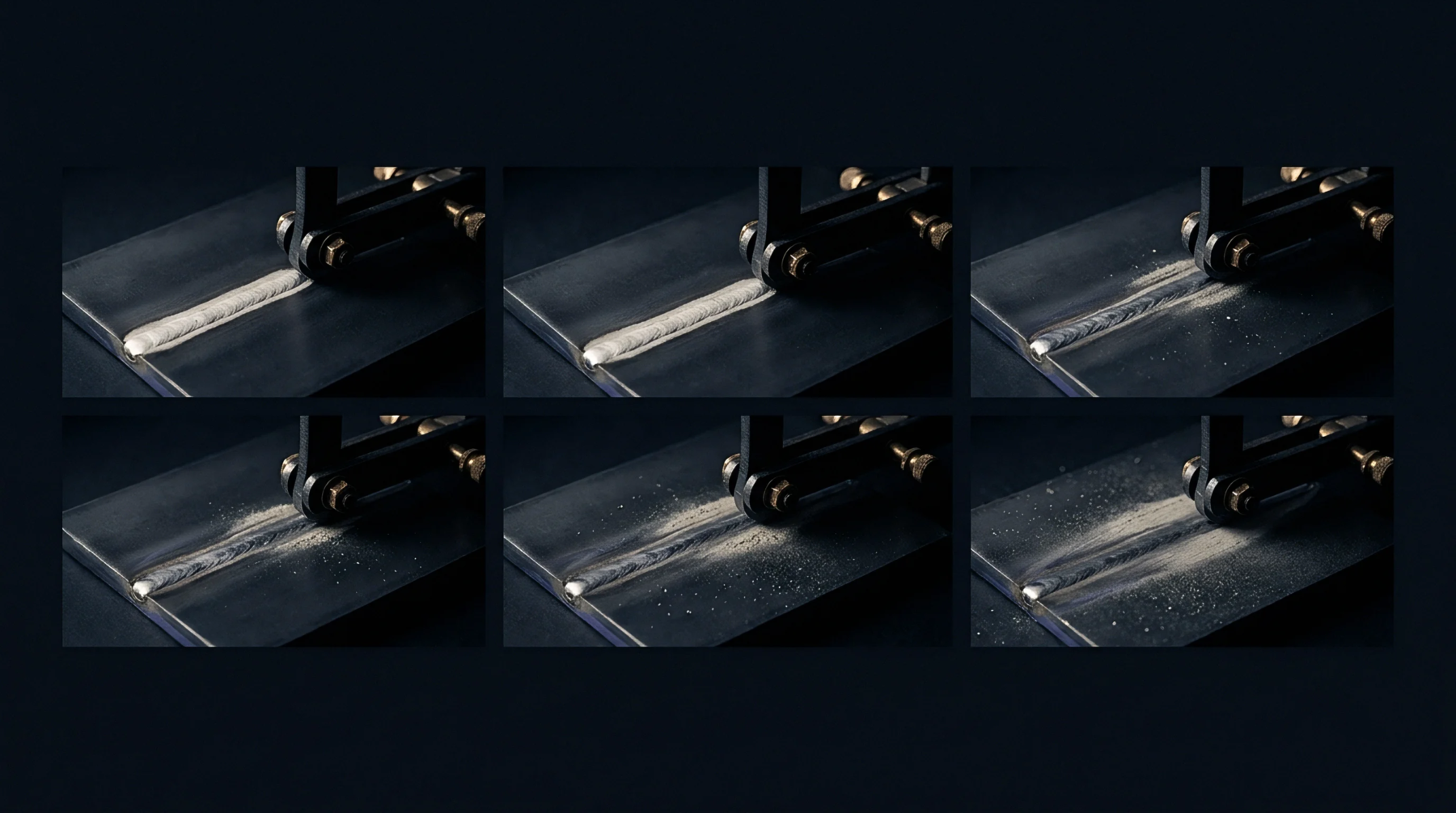
Multiphase Superalloy Solution Heat Treatment Basics
Solution heat treatment dissolves strengthening phases near solvus limits; accurate pyrometry and fast quenching prevent grain growth and incipient melting.
Mechanical stress induced by rapid temperature gradients across a metallic component governs the susceptibility of the material to microcracking, deformation and structural failure. In high-temperature manufacturing and aeronautical equipment, alloy thermal shock describes the degradation mechanism activated when high-temperature materials endure sudden cyclic heat influx or accelerated quenching. The evaluation operates under standard test methods such as ASTM E633 or national standard GB/T 4338, which assess transient heat transfer, thermal expansion differentials and high-temperature plastic yield limits.
This threshold separates sustained high-temperature creep behaviour from acute transient thermal degradation, focusing strictly on thermal strain rates that exceed the rate of internal stress relaxation. Once the thermal exposure rate drops low enough for uniform temperature equilibration across the cross-section, standard thermal fatigue or monotonic mechanical stress rules assume regulatory and engineering authority over the material.
Thermal expansion gradients establish severe localized stress fields between the surface and core regions of a metallic section. Rapid surface heating imposes severe compressive stresses upon the component outer skin while the cooler inner bulk resists expansion through tensile reaction forces. When the surface yields plastically during the heating stroke, subsequent rapid cooling reverses the stress balance, generating high residual surface tension.
Repeated cycles drive microcrack nucleation along primary dendritic boundaries or grain boundaries weakened by carbide segregation. Superalloys and high-temperature tool steels resist this progression only if their thermal conductivity remains sufficiently high to dissipate local temperature peaks before yield thresholds are breached.
Quality control laboratories evaluate shock endurance using cyclic induction heating followed by pressurized air blasts or liquid quenching media. Automated test rigs record the number of thermal cycles required to initiate surface fissures of a defined microscopic threshold under standard GB/T 24172. Optical microscopy and scanning electron analysis map transient crack propagation along the cross-section of cylindrical or flat test coupons.
Metallurgists determine whether transgranular mechanical fatigue or intergranular environmental oxidation dominates the crack path. Test certificates record cooling rates, peak dwell temperatures and crack tip morphology to confirm compliance with procurement specifications.
Commercial litigation between international engine component buyers and Chinese forging mills frequently hinges on alloy thermal shock failures during customer qualification runs. Chinese contract disputes managed under the Civil Code of the People’s Republic of China require the appointment of a court-approved judicial appraisal institution to determine whether failures stem from non-conforming alloy purity or operational abuse. Chinese suppliers defend against warranty claims by presenting mill heat-treatment pyrometry records and furnace calibration certificates complying with standard GB/T 9452.
Judicial appraisers focus on whether trace element contamination by sulfur or lead lowered the grain boundary cohesion below statutory specifications, rendering the alloy defective before installation. Judgments rely strictly on statutory forensic laboratory findings rather than foreign factory service data, limiting buyer recovery if pre-shipment destructive testing logs were previously counter-signed without reservation.
Solution heat treatment dissolves strengthening phases near solvus limits; accurate pyrometry and fast quenching prevent grain growth and incipient melting.
Expertise is a utility, not a secret. sentiention™ publishes its working knowledge as open reference: intelligence layer covering the materials it sources, the markets it enters, and the reference that serves both.