Civil Code Article Four Hundred Sixteen Purchase Money Priority Rules
PRC Civil Code Article 416 grants purchase money lenders super-priority over prior mortgages if filed on the PBOC registry within 10 days of physical delivery.


Grid

Statutory Mechanism under Article Four Hundred Sixteen
Mortgage registration under Article 416 of the People’s Republic of China Civil Code establishes a statutory exception to the first-in-time priority rule for secured claims over movable property. When a seller sells equipment or raw material on credit, or a commercial lender finances the purchase price of specific physical assets, the creditor holding that purchase money security right secures priority over prior registered mortgages on the exact asset funded. The mechanism overrides blanket floating charges previously registered by commercial banks over all present and future assets of the buyer, provided the filing meets strict statutory conditions.
Execution of this super-priority right protects supplier trade credit and equipment financing across PRC industrial operations. Prior to the adoption of the Civil Code, a enterprise with a pre-existing general floating mortgage registered in favor of a primary bank could not pledge newly acquired machinery to the equipment vendor or a third-party asset financier. The bank’s blanket encumbrance automatically attached to incoming factory tooling the moment physical possession transferred across the factory door, leaving purchase money lenders subordinate to general corporate debt.
Article 416 isolates the asset-specific purchase loan, giving the purchase money creditor first claim against the asset value up to the unpaid purchase amount.
The security interest applies solely to movable property. Immovable property, real estate titles, land use rights, and intangible intellectual property fall entirely outside the scope of purchase money priority rules. Equipment, production lines, industrial tooling, automotive fleets, raw material inventory, and finished inventory constitute the primary asset categories governed by this framework.
Establishing valid protection demands precise legal identification of the financed physical items within the primary sales contract and the security agreement.
The statutory super-priority under Article 416 grants purchase money lenders a first-ranking claim over specific movable collateral above general prior-registered bank mortgages.
Functional Equivalence across Commercial Transactions
Article 416 operates alongside parallel provisions governing retention of title sales under Article 641 and financial leasing structures under Article 745. The judicial interpretations of the Supreme People’s Court on the System of Real Rights align the registration and priority rules of these three credit structures into a unified functional security model. Whether a transaction structures as a purchase money mortgage, a conditional sale retaining legal title until final payment, or a direct financial lease, the creditor must complete public registration on the designated platform to maintain priority against third-party claims.
Sellers relying on retention of title clauses without public registration face immediate subordination if the buyer subsequently mortgages the physical machinery to a third party or if an earlier floating mortgage creditor asserts control over factory assets. Legal title alone no longer shields an unregistered vendor against a good-faith encumbrancer or an execution creditor. Public notice through the centralized registry system acts as the mandatory perfection step for every purchase money credit arrangement regardless of nominal contract form.
| Transaction Structure | Statutory Basis | Ownership State | Priority Rule | Perfection Method |
|---|---|---|---|---|
| Purchase Money Mortgage | Article 416 | Transferred to Buyer | Super-priority over prior mortgages if registered within 10 days | PBOC Credit Reference Center Filing |
| Retention of Title Sale | Article 641 | Retained by Seller | Functional security interest; effective against third parties upon filing | PBOC Credit Reference Center Filing |
| Financial Lease Agreement | Article 745 | Lessor Retains Title | Enforceable against third-party encumbrancers upon timely registration | PBOC Credit Reference Center Filing |
| General Movable Mortgage | Article 403 | Held by Mortgagor | Strict first-in-time registration ranking order | PBOC Credit Reference Center Filing |
Securing super-priority requires complete alignment between the underlying commercial invoice, physical serial numbers, credit disbursements, and registration records. A failure to link the advance of funds directly to the asset acquisition forfeits super-priority, converting the debt into a general unsecured claim or a standard junior mortgage.
Gate

The Ten-Calendar-Day Statutory Window
The statutory timeline for registering a purchase money mortgage under Article 416 opens upon physical receipt of the collateral by the buyer. Registration must complete within exactly 10 calendar days following delivery. The clock begins ticking the day after physical handover occurs at the factory receiving bay or designated site, without extension for public holidays or business closures.
Missing this statutory window forfeits super-priority entirely, leaving the mortgage subordinated to any prior registered security interests held by bank lenders.
Defining the precise date of delivery represents the central factual issue in priority litigation under Article 416. Delivery means physical transfer of possession into the actual control of the buyer or the buyer’s designated agent. Standard international commercial terms like FOB or CIF alter risk of loss during transit, yet physical delivery for statutory registration timing turns on when the equipment physically enters the buyer’s operational custody or project facility.
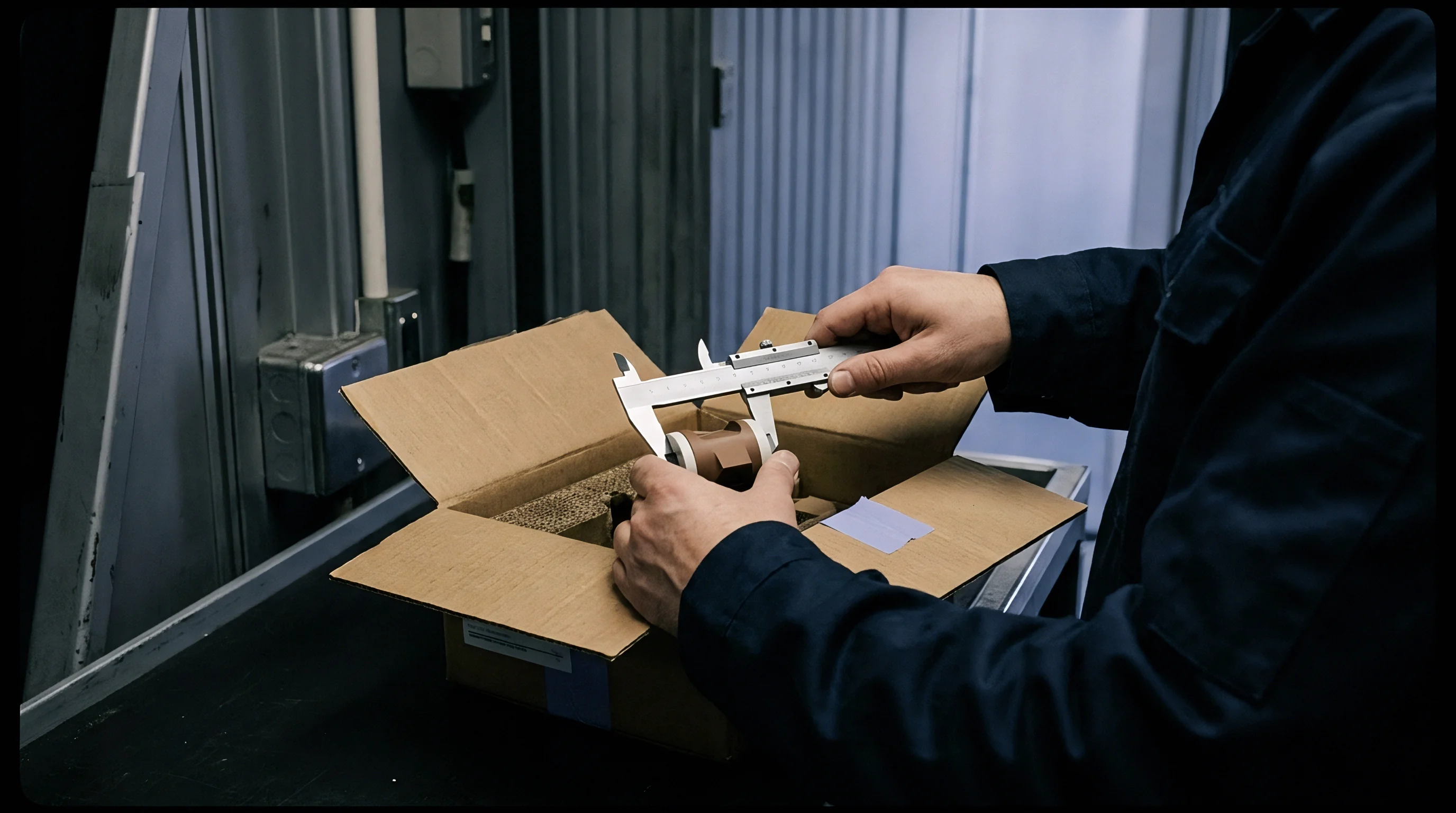
Proof of delivery relies on signed site acceptance notes, bill of lading receipts, and customs clearance documents.
A purchase money mortgage registered on the eleventh calendar day following asset delivery loses statutory super-priority and ranks behind all previously registered blanket bank mortgages.

Operational Steps for Filing Execution
Managing the statutory window demands a strict internal timeline starting before equipment shipment takes place. Filing procedures execute through the unified movable property financing registration system managed by the Credit Reference Center of the People’s Bank of China.
- Finalize the underlying purchase agreement, financing terms, and explicit purchase money mortgage contract with detailed asset serial numbers prior to physical dispatch.
- Obtain written confirmation of dispatch from the freight forwarder, including carrier bill of lading, vehicle license plates, and driver contact detail.
- Monitor transit real-time to confirm the exact hour physical offloading finishes at the buyer facility premises.
- Secure the signed physical delivery receipt (签收单) displaying legible date stamps, recipient corporate seals, and authorized agent signatures within twelve hours of offloading.
- Upload asset description lists, equipment serial plates, invoice numbers, and mortgage contract details to the PBOC Credit Reference Center online registry.
- Issue the public registration certificate, verify the system timestamp, and archive the electronic filing receipt in the transaction legal dossier.
Executing registration prior to physical delivery is permitted and legally advantageous. Creditors completing the online registry entry while equipment remains in transit eliminate the operational risk of missing the 10-day window due to administrative delays or missing delivery documentation.
Failing to secure clear physical receiving receipts creates legal vulnerability that invalidates super-priority when general creditors challenge the filing date in court.


Paperwork

Registry Systems and Documentation Requirements
Filing a purchase money security interest in mainland China requires accurate input into the PBOC Credit Reference Center Movable Property Financing Registration and Disclosure System. The online platform serves as the sole national registry for functional security interests over movable assets, replacing localized market regulation bureau filings. Registrants must hold an active account verified through corporate legal representative identity credentials and business license documentation.
The registration entry must describe the secured collateral with sufficient detail to distinguish the specific asset from general factory stock. Generic descriptions such as “all manufacturing equipment” or “industrial machinery” fail statutory specificity requirements for super-priority under Article 416. Registration notices must list itemized details including model numbers, serial numbers, chassis codes, manufacturer nameplates, and exact physical installation locations.
Incomplete asset identification allows competing creditors to claim the filing fails to cover the disputed property.
Filing entries lacking explicit machine serial numbers fail statutory asset identification tests, forfeiting super-priority against competing institutional lenders.

Can Equipment Leasing Agreements Claim Article Four Hundred Sixteen Protection?
Financial leasing agreements directly access equivalent priority protections through the unified functional security framework established by the Civil Code. Article 745 specifies that lessors in financial leases must register their rights to oppose third-party claims. When a financial lessor finances the acquisition of new machinery delivered directly from vendor to lessee, the lease registration completed within 10 days of physical delivery confers super-priority over prior bank floating mortgages created by the lessee, operating identically to an Article 416 purchase money mortgage.
Operating leases that lack purchase options or financing characteristics fall under standard ownership rules rather than purchase money priority provisions. However, drawing a clean legal line between high-value long-term operating leases and financial leases remains difficult under PRC judicial practice. Courts review underlying payment schedules, residual value calculations, and asset transfer terms to determine whether a transaction acts as a true lease or a functional purchase credit security interest.
Documentation requirements demand strict proof of fund tracing. The registered debt must correspond exactly to the unpaid purchase price of the specific collateral. Where a lender advances funds directly to the buyer rather than paying the equipment vendor directly, the lender must prove through bank transfer records and designated disbursement accounts that every RMB advanced was applied directly to satisfy the vendor’s invoice for that equipment.
- Payment Transfer Proof confirming direct bank remittance from lender to equipment seller matching contract invoice numbers exactly.
- Serial Number Ledger listing every unique factory stamped identification code for all individual units included in the mortgage scope.
- Signed Delivery Receipt displaying matching company chops, delivery dates, and physical receiving site locations.
- CRC Registration Certificate generated by the PBOC system showing public notice publication within the ten-day statutory window.
- Purchase Contract Dossier containing signed sales agreements, retention of title clauses, and explicit security agreement terms.
Contractual provisions governing purchase credit must explicitly link the grant of security directly to the asset purchase price, using wording such as “This mortgage is executed specifically to secure the unpaid purchase price of the equipment described in Schedule A pursuant to Article 416 of the PRC Civil Code.”


Ranking

Conflicts between Competing Security Interests
Resolving priority disputes under Article 416 requires applying statutory collision rules when multiple creditors assert claims against the same physical movable asset. The primary conflict occurs between a prior bank floating mortgage and a subsequent purchase money mortgage. Under Article 416, the purchase money mortgage holder who registers within the statutory 10-day window takes absolute priority over the bank’s earlier registered general floating mortgage, even if the bank’s registration occurred years prior.
Where multiple purchase money creditors claim security over the exact same asset, statutory rules differentiate based on creditor status. A purchase money seller asserting title retention or a purchase money mortgage takes priority over a third-party commercial lender who also funded the purchase price of the same asset. The seller’s direct supply of physical goods grants a superior equitable position over a financial institution advancing funds, provided both parties completed timely registrations under the 10-day rule.
If two third-party financial institutions both advance purchase money funds for the same equipment, priority resolves strictly according to the time of registration on the PBOC platform under Article 414 general rules. The lender completing its public filing first takes primary distribution rights during asset liquidation.
- Co-mingled Fund Disbursement occurs when a lender transfers purchase money funds into a buyer’s general operating bank account before payment to the seller, destroying the traceable link between loan and asset acquisition.
- Unregistered Asset Modification happens when a buyer integrates financed equipment into a larger assembly, causing loss of physical identity and serial number legibility.
- Late Delivery Receipts generated weeks after actual physical delivery mislead the creditor regarding the true start date of the 10-day statutory window, resulting in untimely registration.
- Vague Collateral Description where the PBOC filing uses generic category terms rather than machine-specific serial numbers, rendering the filing ineffective against competing bank claims.
Interaction with Bankruptcy and Execution Proceedings
Super-priority status maintained under Article 416 survives the initiation of corporate bankruptcy proceedings against the buyer under the PRC Enterprise Bankruptcy Law. The purchase money mortgage holder retains the right to seek targeted liquidation or separate payout from the collateral proceeds prior to general estate distribution. Security interests perfected outside the 10-day window lose super-priority and rank as standard general mortgages, leaving the creditor exposed to bankruptcy cramdowns and general unsecured creditor recoveries.
When an execution creditor levies an attachment order on factory machinery, a properly perfected purchase money mortgagee can lodge an execution objection (执行异议) under PRC Civil Procedure Law. Courts must suspend execution sales or direct sale proceeds to satisfy the purchase money mortgage first, provided the registry filing confirms valid perfection under Article 416 rules.
Suppliers routinely hear buyers excuse payment delays by claiming that existing bank loan covenants forbid granting new mortgages to vendors, stating “our primary bank holding a floating mortgage refuses to allow any secondary filings on factory machinery.”


Salvage

Enforcement and Liquidation Realization
Enforcing an Article 416 purchase money mortgage following buyer default follows standard real rights enforcement mechanisms or direct contractual repossession rules. Parties may agree to realize asset value through out-of-court sale, private auction, or debt-for-asset swap based on independent appraisal valuation. If the mortgagor refuses to cooperate upon default, the mortgagee must petition the competent PRC basic people’s court for an enforcement order under summary procedural rules governing security interest realization.
Repossession under title retention or financial leasing provisions provides direct physical recovery options, yet self-help repossession carries operational risks in China. Creditors entering factory premises to dismount machinery without court authorization or buyer consent risk administrative detention for disturbing business operations or civil liability for damage to factory property. Judicial enforcement through court-appointed bailiffs remains the legal path for asset recovery across PRC jurisdictions.
Liquidation recoveries depend on secondary market liquidity for specialized industrial assets. Machinery custom-built for a specific production line often suffers severe valuation haircuts at judicial auctions. Auction procedures require up to two formal discount rounds before court-directed asset handovers occur, eroding net financial recovery after factoring in legal expenses, dismantle fees, and warehouse storage costs.
| Financial Metric | Base Case Valuation | Distressed Auction Case | Legal & Operational Subtractions |
|---|---|---|---|
| Gross Equipment Original Cost | RMB 10,000,000 | RMB 10,000,000 | Not applicable |
| Outstanding Purchase Money Loan Balance | RMB 6,500,000 | RMB 6,500,000 | Not applicable |
| First Judicial Auction Realization (80% Valuation) | RMB 6,400,000 | Unsold | Court Appraisal Fee: RMB 45,000 |
| Second Judicial Auction Realization (64% Valuation) | Not applicable | RMB 4,096,000 | Auction Platform Fee: RMB 20,000 |
| Dismantling, Transport, and Storage Costs | RMB 180,000 | RMB 180,000 | Direct Logistics Expenses |
| Net Cash Amount Recovered by Mortgagee | RMB 6,175,000 | RMB 3,851,000 | Enforcement Execution Costs deducted |
| Unrecovered Deficiency Claim (General Unsecured) | RMB 325,000 | RMB 2,649,000 | Converted to Unsecured Claim |
The net recovery figures demonstrate that super-priority status protects preferential entitlement to proceeds, yet fails to insulate creditors against physical asset depreciation and court-ordered auction discount structures.
What specific evidentiary standards will PRC courts mandate to prove purchase money tracing when financial institutions structure loans using complex multi-tier supply chain digital bill platforms?