Meaning
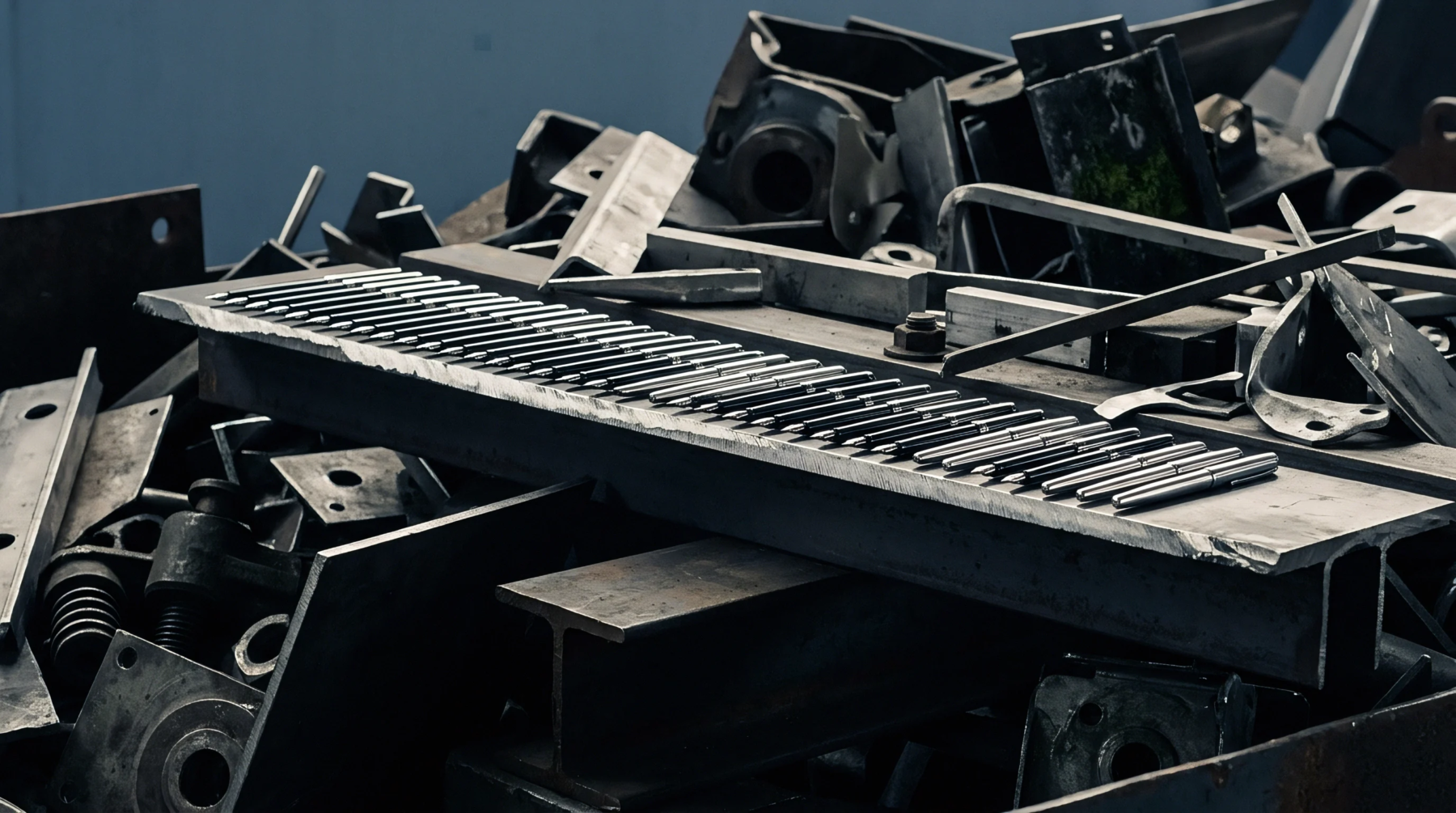
Tangible and transferable assets that can be physically relocated without destroying their intrinsic utility, structural form, or commercial value constitute distinct legal objects under civil jurisprudence. In Chinese commercial operations, manufacturing logistics, and asset-backed finance, movable property encompasses factory production equipment, industrial raw materials, finished stock inventory, and motorized logistics fleets. The classification is governed by the Civil Code of the People’s Republic of China, distinguishing these dynamic operational assets from immovable property such as land use rights and permanent factory buildings.
Legal protections attach through possession, physical delivery, or national registry notice, ending when an item is consumed, permanently incorporated into real property, or destroyed.
Property Classification
Statutory divisions define the treatment of movable assets across commercial factory operations. Raw metal sheets, semi-finished assemblies, injection moulds, warehouse goods, and computerized machinery are classified as movable property under Chinese law. Unlike immovables, where ownership transfers rely on statutory municipal real estate registration, ownership of movable items passes upon physical delivery under Civil Code Article 224, unless the parties establish alternative contractual conditions.
This principle allows manufacturing supply chains to transfer title to components, parts, and materials through commercial bills of lading, warehouse receipts, and factory gate handovers.
Security Perfection
Securing commercial debt using operational factory assets requires adherence to centralized notice rules. A debtor establishes a pledge or mortgage over movable property by executing a written security agreement and publishing the interest on the Credit Reference Center of the People’s Bank of China. Chattel mortgages over production equipment and floating liens over present and future manufacturing inventory gain legal enforceability against third parties upon electronic registration.
A security interest recorded over movable assets remains secondary to the rights of a buyer who purchases goods in the ordinary course of business, provided that the buyer pays market price and takes physical possession.
Enforcement Reality
Judicial recovery of movable assets involves distinct physical and evidentiary challenges during commercial disputes. People’s Courts enforce judgments by issuing formal sealing orders, seizing factory machines, or impounding transport vehicles. Execution officers face obstacles when movable property lacks unique serial identifiers, is intermingled with third-party inventory, or is retained by an unpaid supplier exercising a statutory lien under Civil Code Article 447.
Recovering tangible machinery from a defaulted factory site requires unambiguous purchase contracts, detailed asset ledgers, and proof of serial numbers, proving that the disputed items belong exclusively to the claimant rather than the general debtor estate.