Pre Litigation Asset Preservation and Tooling Repossession Mechanics under PRC Law
Pre-litigation preservation under Article 104 freezes factory tooling within 48 hours using surety bonds, securing physical assets before formal litigation.
Contractual and operational failure by a direct, primary manufacturing vendor to fulfill core obligations disrupts downstream assembly operations and creates immediate commercial exposure for the principal buyer. A tier-one supplier default occurs when the direct contractor breaches supply agreements through complete insolvency, unapproved plant closure, material quality non-compliance, severe delivery delays or unauthorized transfer of proprietary intellectual property. Governed by the Civil Code of the People’s Republic of China, this commercial event triggers statutory termination rights, compensation claims and emergency supply chain reconfigurations.
The condition of default ceases upon formal curing of the contractual breach, execution of a binding settlement agreement, or total financial liquidation and contractual termination.
Breaches divide into operational failures, structural insolvency and willful contractual repudiation. Operational default involves chronic delivery shortfalls, failure to maintain agreed safety stock levels, or consecutive shipment rejections due to unapproved raw material substitutions. Financial default manifests through frozen corporate bank accounts, supplier wage arrears, factory seizures by local judicial execution bureaus, or the formal acceptance of a bankruptcy petition by the People’s Court.
Strategic default occurs when a vendor refuses to produce agreed volumes, uncouples pricing structures outside contractual adjustment formulas, or unlawfully appropriates buyer-funded tooling for unauthorized manufacturing runs. Each classification requires distinct legal and logistical countermeasures to prevent widespread assembly plant shutdowns.
Responding to non-performance demands rapid execution of pre-established contingency protocols to protect continuity of supply and corporate assets. The buyer issues a formal legal notice of default, specifying the breach, demanding immediate corrective action within a strict cure period, and reserving all statutory damages claims. If the supplier fails to cure the default, the buyer executes contract termination, enforces liquidated damages clauses, and freezes outstanding account payables to offset impending commercial losses.
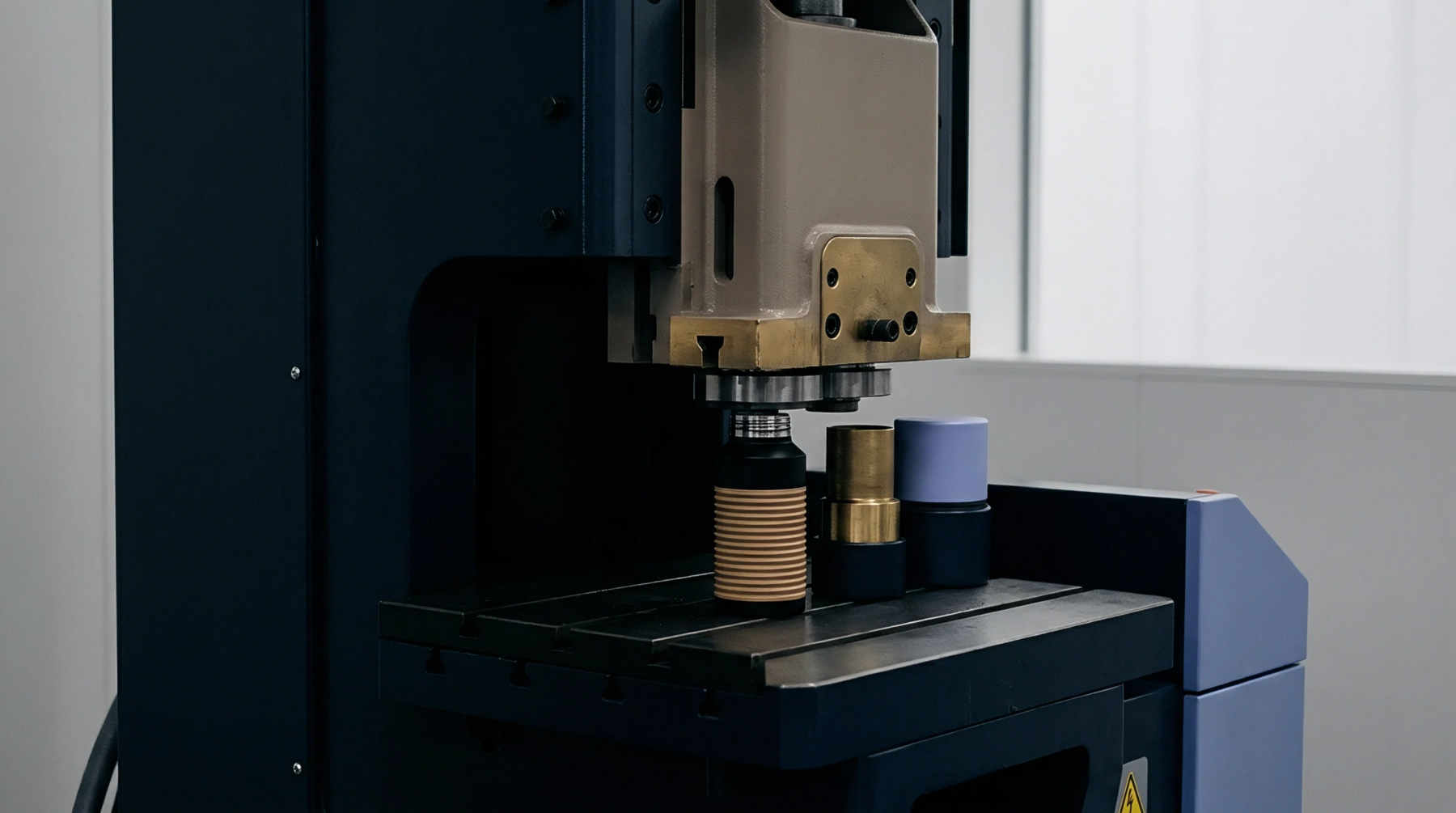
Immediate on-site intervention teams secure buyer-owned tooling, calibration gauges and proprietary components using previously executed custody certificates. Securing alternative production capacity requires activating vetted tier-two suppliers or deploying backup tooling at approved redundant manufacturing facilities.
Complex disputes arising from vendor collapse require aggressive civil litigation to recover monetary damages, unamortized tooling investments and advanced procurement payments. Buyers initiate lawsuits before the People’s Court or designated arbitration commissions, filing concurrent property preservation applications to freeze the defaulting supplier’s bank deposits, real estate, and accounts receivable. If the default involves unlawful tooling retention, the claimant files urgent property return claims and requests judicial assistance to extract manufacturing equipment.
Unsecured monetary claims must be filed promptly with appointed liquidation committees if the defaulting vendor enters formal bankruptcy proceedings. Timely assertion of priority claims and property rights prevents valuable production assets from dissolving into the general insolvency estate.
Pre-litigation preservation under Article 104 freezes factory tooling within 48 hours using surety bonds, securing physical assets before formal litigation.
Expertise is a utility, not a secret. sentiention™ publishes its working knowledge as open reference: intelligence layer covering the materials it sources, the markets it enters, and the reference that serves both.