Meaning
Structural degradation occurs when a material is subjected to simultaneous, cyclic variations in both temperature and mechanical load. The phenomenon of thermo-mechanical fatigue causes microstructural damage that is more severe than either thermal or mechanical fatigue acting alone. This process represents the primary limiting factor for the service life of turbine blades.
Combined Loading
Engine startup and shutdown cycles produce complex combinations of heat and tension. During these transitions, thermo-mechanical fatigue occurs because the expansion of the hot metal is constrained by the cooler surrounding structure. This constraint creates high thermal stresses that drive crack growth.
Failure Mechanism
Crack propagation is accelerated by the oxidation of newly exposed metal surfaces at high temperatures. In turbine blades, thermo-mechanical fatigue leads to the initiation of microscopic cracks at cooling holes and internal passages. These cracks then grow rapidly through the single-crystal material under cyclic loads.
Testing Standardization
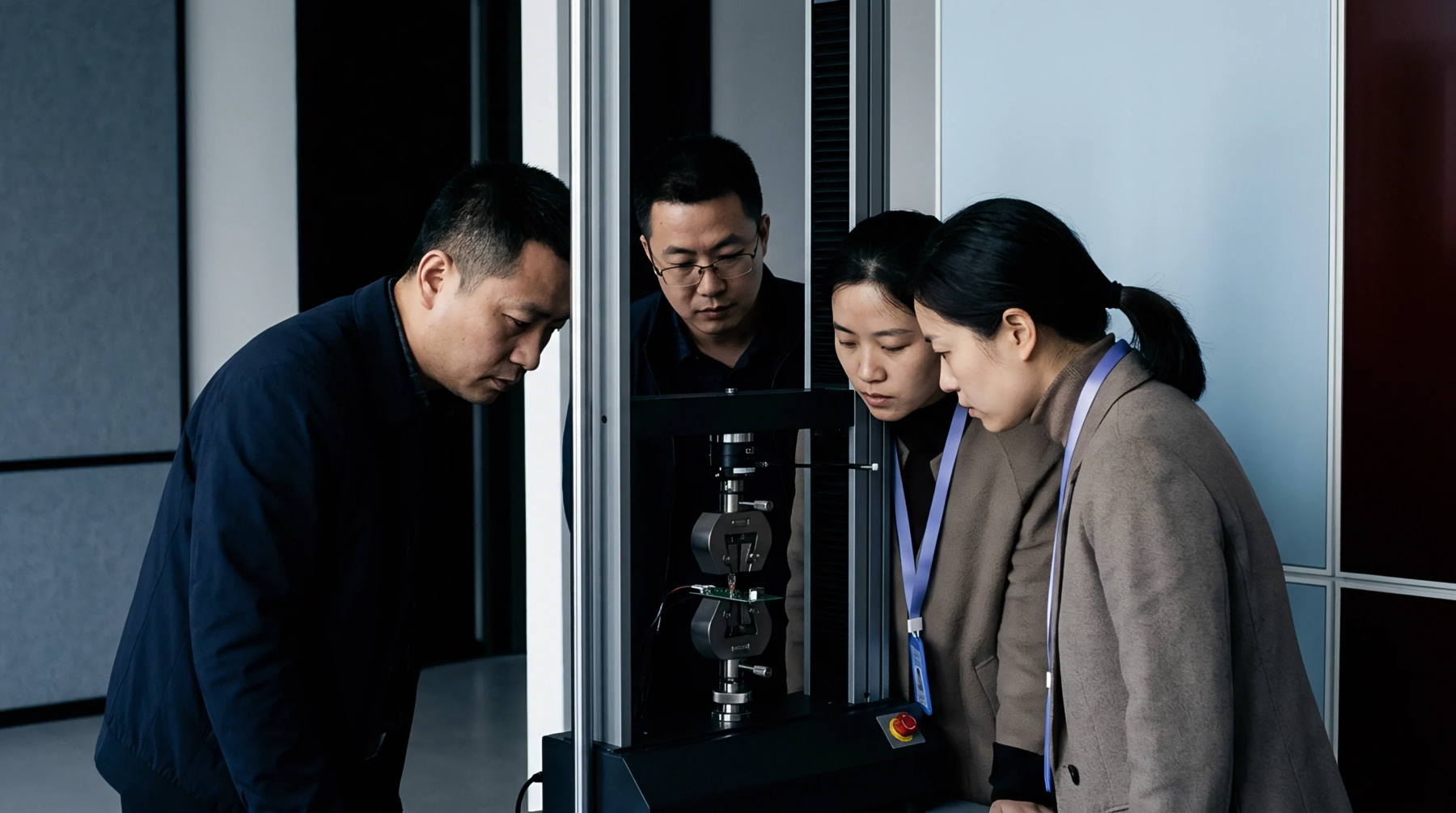
To certify new materials for use in Chinese civil aviation projects, manufacturers must perform extensive testing. This thermo-mechanical fatigue testing is performed on specialized servo-hydraulic machines equipped with induction heaters. The data gathered from these tests is analyzed by the China National Accreditation Service for Conformity Assessment.
This analysis ensures that the material can withstand the severe operating conditions of a modern gas turbine before it is cleared for flight operations.