Meaning
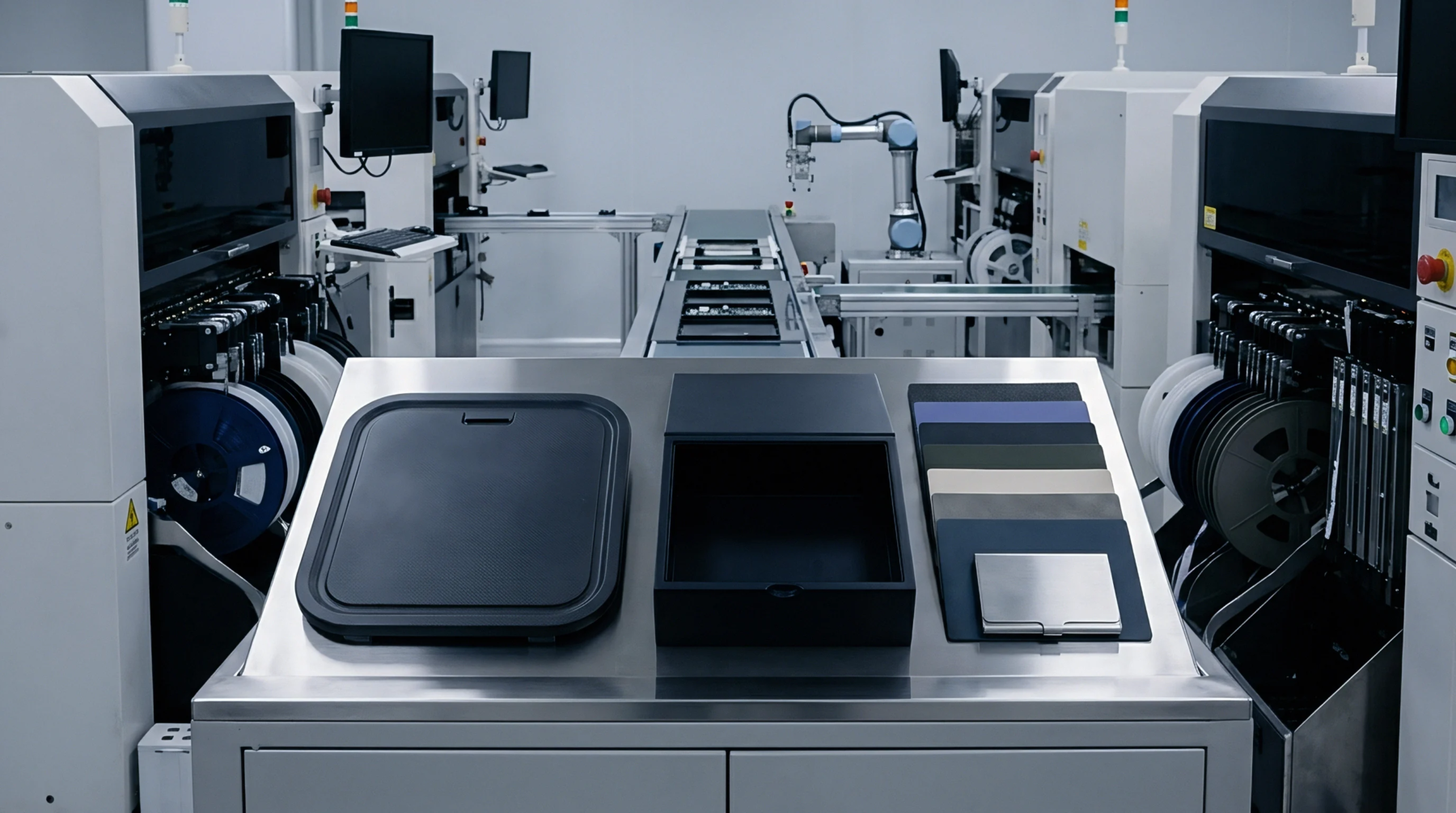
The automated process of soldering specific components to a printed circuit board without affecting adjacent areas or pre-existing connections. In modern electronics manufacturing, selective soldering is used for boards that contain both surface-mount devices and through-hole components that cannot withstand the heat of a standard wave solder machine. This method allows the precise application of heat and solder to individual pins.
It minimizes thermal stress on essential electronic parts and ensures high-quality joints in complex assemblies.
Operating Process
A programmable nozzle moves along a three-axis path to apply flux and then dispenses a small fountain of molten metal onto selected pins. During selective soldering, the board is held in a preheating chamber to minimize thermal shock before the localized soldering begins. This approach utilizes nitrogen inerting to prevent the oxidation of the solder joint during the thermal cycle.
It requires accurate programming of the nozzle path to avoid collision with nearby components.
Quality Control
Optical inspection systems verify the alignment of the nozzle and the volume of the resulting solder joints to prevent defects such as bridging or incomplete hole fill. Because selective soldering processes operate with small solder pots and tiny nozzles, maintaining the purity of the solder alloy is essential for long-term reliability. Operators must monitor the nozzle condition daily to prevent wear from affecting the height of the solder wave.
This vigilance reduces the scrap rate of high-value industrial and automotive electronic assemblies.
Manufacturing Benefit
This localized approach eliminates the need for expensive hand soldering or custom protective masks. It increases production throughput and reduces the risk of human error. This transition improves consistency across large production volumes.