Soft Tooling Selection and Amortization for Micro Runs
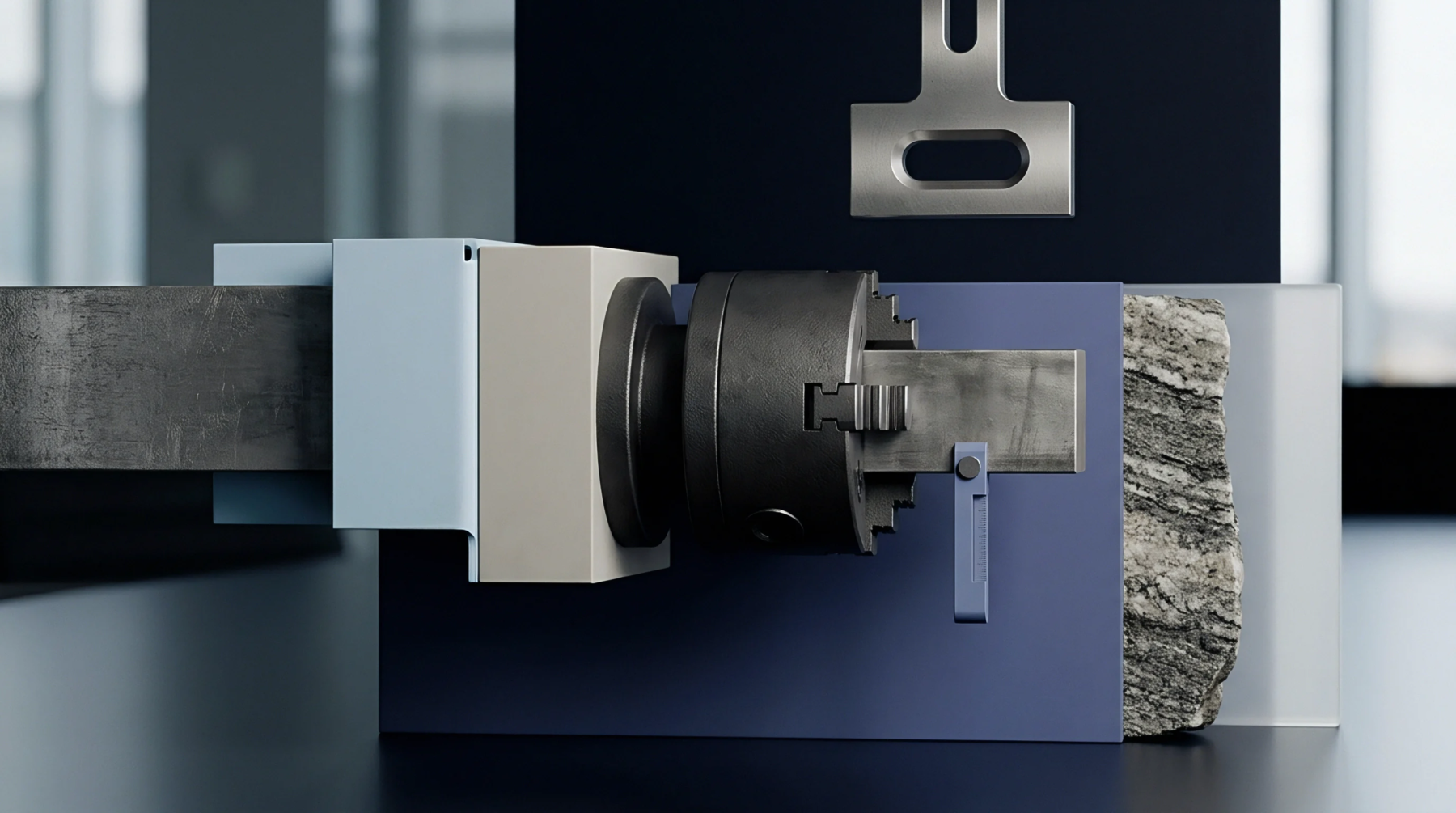
Soft tooling selection balances rapid lead times against progressive cavity wear, requiring direct NRE payment and scrap inflation modeling for micro runs.
Statutory quality inspection designates the mandatory administrative verification procedure administered by the General Administration of Customs and provincial market regulation bureaus under the Product Quality Law of the People Republic of China to ascertain conformity with national mandatory standards before goods enter commercial circulation or cross national borders. This regulatory instrument governs exported manufactured components, imported industrial machinery, and domestic consumer commodities subject to compulsory certification catalogues, enforcing statutory thresholds for safety, chemical composition, and physical durability. The jurisdiction of this verification mechanism halts entirely at the factory gate or the port customs bonded zone boundary, distinguishing official administrative oversight from private contractual quality control executed between commercial buyers and suppliers.
Bureaucratic enforcement relies heavily on documentary verification supplemented by physical sampling protocols executed within accredited testing laboratories designated by the State Council certification administration. Official inspectors collect representative specimens from commercial lots according to statistical sampling standards published by the national standardization administration, measuring dimensional tolerances, electrical safety properties, and hazardous substance concentrations against published national limits. Foreign manufacturing entities operating within mainland jurisdiction face immediate administrative penalties, production halts, or import prohibitions when tested specimens fail to meet statutory conformity thresholds during these official interventions.
Administrative challenges against failed inspection results require formal administrative reconsideration filed within specific statutory deadlines before local market regulation authorities, though practical enforcement practice demonstrates that reversal rates remain exceedingly low without supplemental laboratory counter-evidence.
Legal compliance diverges significantly between the formal administrative statute and the operational reality encountered by manufacturing enterprises during routine supply chain audits. Local customs offices frequently interpret national technical standards through localized enforcement memos, creating regional variations in compliance expectations that complicate nationwide distribution strategies for industrial goods. Foreign commercial parties possess statutory rights to request written explanations for testing methodology failures, but practical execution of these remedies demands extensive documentary preparation under rigid administrative timelines.
Production facilities must therefore maintain exhaustive traceability records covering raw material sourcing and calibration certificates for testing equipment to satisfy unexpected supervisory inquiries initiated by municipal regulatory officers.
Regulatory non-compliance carries severe financial liabilities and operational disruptions that extend far beyond initial administrative fines imposed by market supervision authorities. Commercial contracts governed by Chinese law typically incorporate statutory inspection clearance as a mandatory delivery condition, transferring legal default risks directly to the manufacturing supplier when official certification is withheld. Supply chain interruptions multiply rapidly as quarantined commercial lots remain immobilized within port storage facilities while secondary administrative reviews proceed through bureaucratic channels.
Systematic failure to pass mandatory verification procedures eventually triggers enterprise credit downgrades within the national social credit system for industrial enterprises, restricting access to preferential tax treatment and export licensing renewals. Official verification outcomes establish definitive legal liability regarding product safety disputes before people courts and arbitration tribunals across the jurisdiction.
Soft tooling selection balances rapid lead times against progressive cavity wear, requiring direct NRE payment and scrap inflation modeling for micro runs.
Expertise is a utility, not a secret. sentiention™ publishes its working knowledge as open reference: intelligence layer covering the materials it sources, the markets it enters, and the reference that serves both.