Meaning
Administrative rules that empower the General Administration of Customs to seize goods that violate intellectual property rights upon their arrival at the port or their presentation for export. The prc customs protection regulations provide a dual system of enforcement where authorities can act either on a specific request from a right holder or on their own initiative. This framework governs the recordation of trademarks, patents and copyrights in a central database that all local port offices can access.
It sets the procedures for the detention of suspected goods, the investigation of infringement and the final disposal of counterfeit products. The regulations apply to all ports of entry and exit, including sea, land and air transport hubs. This system is the primary line of defence against the international trade in infringing goods.
Enforcement Power
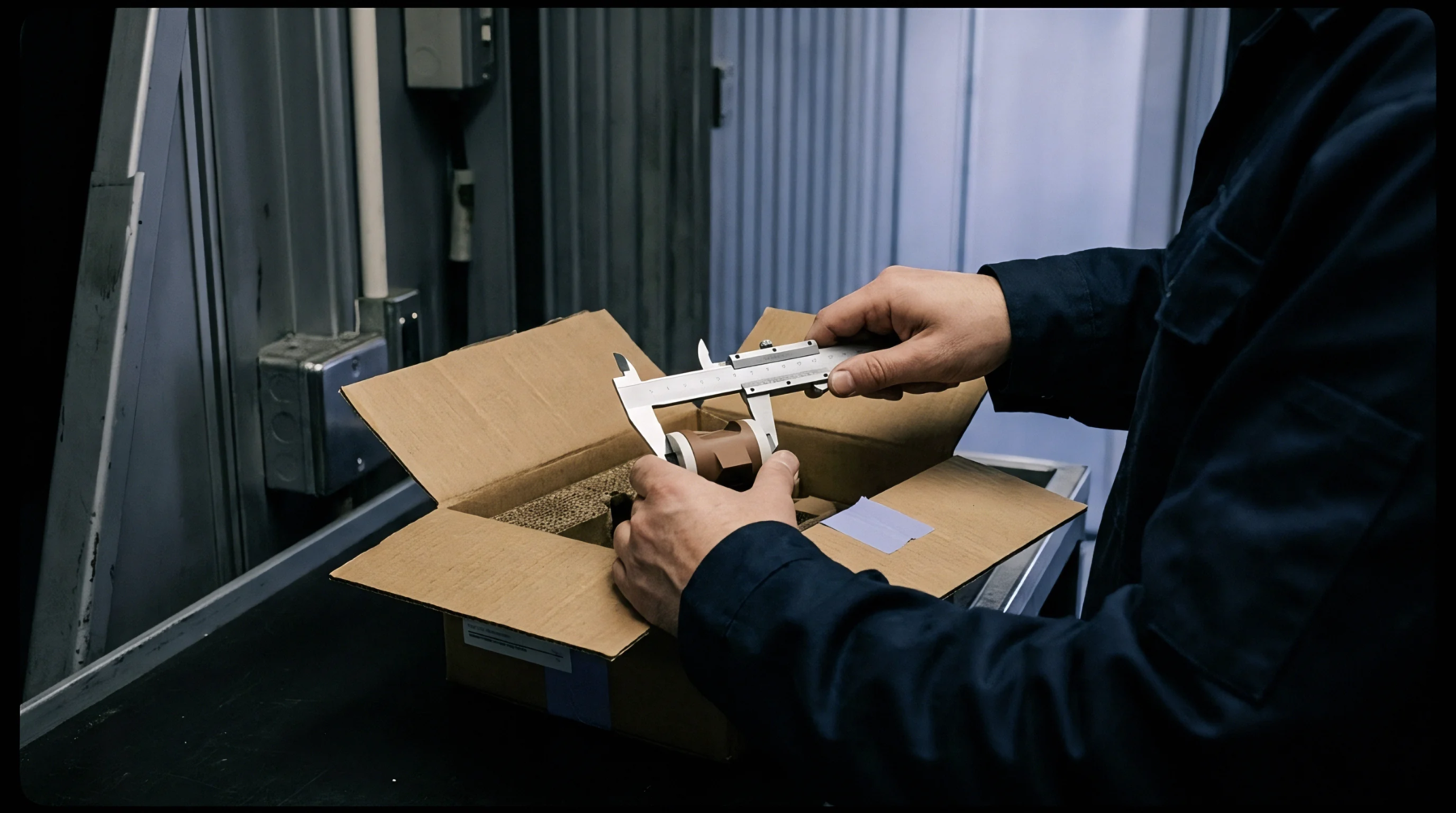
Border authorities have the legal mandate to inspect any cargo and stop the movement of goods that appear to violate recorded intellectual property rights. Under the prc customs protection regulations, the customs office can demand that the importer or exporter provide proof of their right to use a specific mark or design. If the proof is insufficient, the goods are moved to a secure warehouse while a formal investigation is conducted.
The authorities have the power to fine the infringing party and to confiscate the goods permanently if the violation is confirmed. This enforcement is highly effective because it stops the harm before the goods reach the market. It also provides a public record of the infringement that can be used as evidence in later court cases.
This proactive stance is a key part of the national strategy for intellectual property protection.
Recordation Filing
Effectiveness of the customs system is maximized when right holders register their property in the central database. This recordation is a formal application that includes details of the brand, the authorized manufacturers and the typical shipping routes. The prc customs protection regulations state that this recordation is valid for ten years and can be renewed along with the underlying trademark or patent.
Once a mark is recorded, the customs officers at every port are trained to look for it during their routine inspections. This creates an automated alert system that can catch infringing goods without the right holder having to find the shipment themselves. The cost of this filing is relatively low compared to the value of the protection it provides.
It is the most efficient way for a company to monitor the entire national border for potential violations.
Detention Authority
Decision to hold a shipment is a formal administrative act that triggers a series of legal deadlines for both the customs office and the parties involved. If the customs office finds suspected goods during an ex officio inspection, they notify the right holder immediately. The right holder then has three working days to request the detention and provide a security bond.
If the right holder fails to respond, the goods must be released according to the prc customs protection regulations. If the hold is confirmed, the customs office has thirty working days to investigate and make a final determination on the infringement. This time limit ensures that the port operations are not slowed down by long running disputes.
The authorities can also coordinate with other government departments to track the source of the counterfeit goods. The prc customs protection regulations are a fundamental tool for maintaining the integrity of global trade.