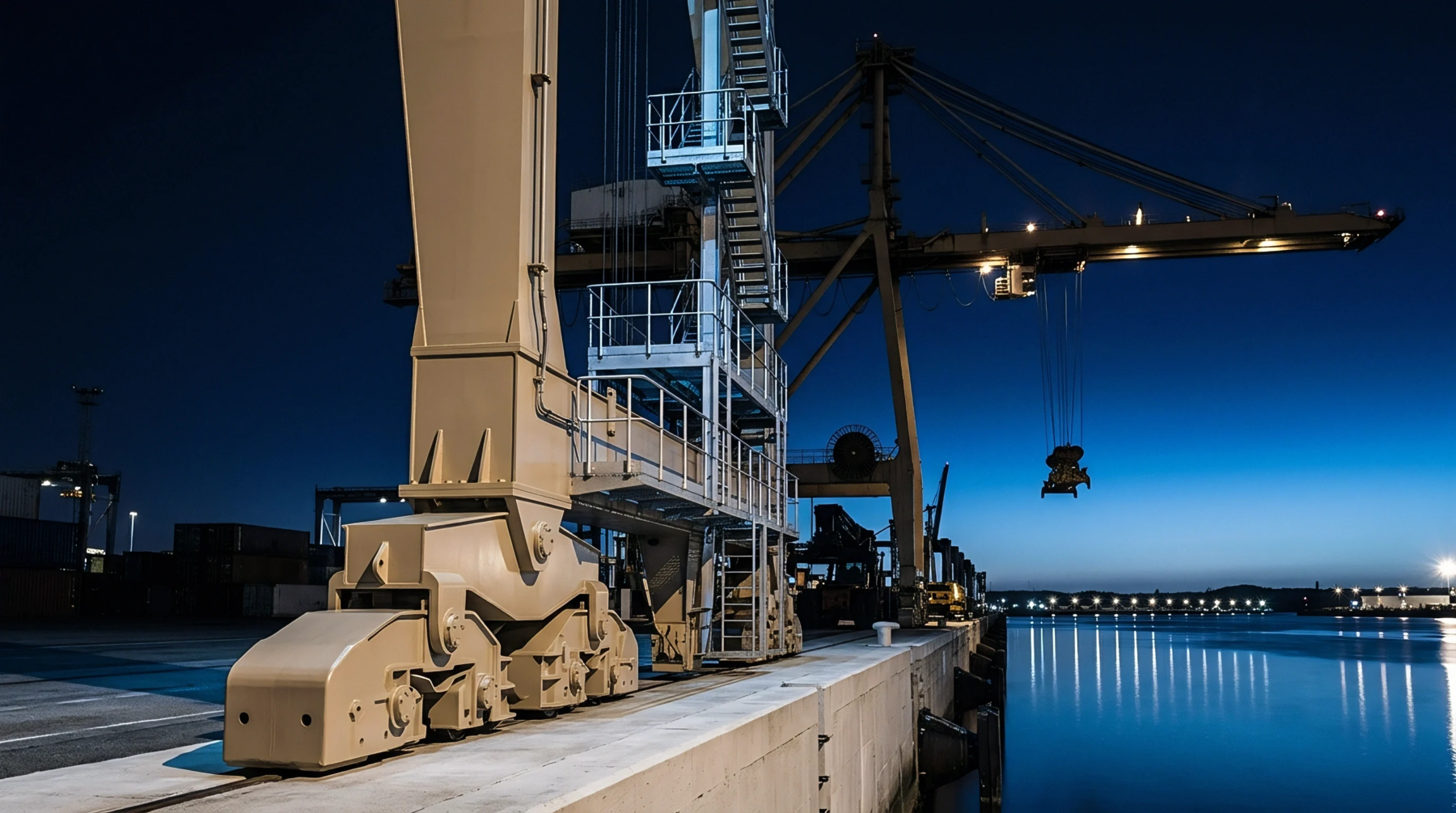
Tier Two Utility Model Verification Protocols before Coastal Customs Clearance
Exporters verify tier-two utility model validity via CNIPA evaluation reports before port transit to prevent customs detentions and cargo bond freezes.
Administrative legal challenge filed with the national intellectual property authority seeks to revoke a granted invention patent, utility model, or industrial design right. Rooted in Article 45 of the Patent Law of the People’s Republic of China, a patent invalidation petition initiates an inter partes challenge before the China National Intellectual Property Administration against an active commercial monopoly. The filing governs registered proprietary technical designs across all manufacturing sectors, mechanical assemblies, and electronic components operating in the Chinese market.
Jurisdiction rests exclusively with central administrative panels in Beijing, ending when the agency issues a final validity ruling or the challenging party formally withdraws the action.
Administrative procedural rules demand strict documentary substantiation before a challenge receives formal docketing. A petitioner filing a patent invalidation petition must submit comprehensive prior art references, consisting of domestic or foreign patent documents, academic journals, public sales invoices, or notarized internet archive captures dated before the patent’s original priority date. Foreign-sourced documentary evidence, corporate filings, and commercial affidavits require notarization in the jurisdiction of origin alongside formal legalization by a Chinese embassy or consulate.
The petitioner must provide certified Chinese translations for every foreign text submitted within the statutory one-month supplemental window. Failure to submit compliant certified translations results in the administrative panel disregarding the foreign evidence entirely.
Procedural review advances through rigid, examiner-led documentary exchanges followed by an oral confrontation hearing. After docketing a patent invalidation petition, the administrative agency forwards the petition and accompanying evidence to the patentee, granting a mandatory thirty-day response period. The patentee may restrict the scope of granted claims by combining independent limitations, but administrative guidelines prohibit introducing new features or broadening claim boundaries.
An oral hearing brings the parties before a three-member or five-member collegiate panel to cross-examine technical experts and argue patentability standards. Panels evaluate novelty, inventive step, and industrial applicability under statutory guidelines, concluding with an official written decision declaring the disputed patent completely invalid, partially valid, or maintained in its original form.
Industrial manufacturers utilize administrative challenges as their primary countermeasure against commercial patent infringement lawsuits. Filing a patent invalidation petition enables an accused manufacturing enterprise to petition Chinese civil courts for a formal stay of ongoing infringement litigation, particularly where unexamined utility model rights form the basis of the infringement complaint. Courts generally grant these procedural stays when the petitioner presents credible, notarized prior art that creates high probability of patent revocation.
Eliminating a competitor’s patent monopoly at the administrative level terminates pending civil injunction requests, dismisses judicial compensation claims, and frees entire manufacturing supply chains from licensing restrictions. The outcome directly redefines manufacturing freedom to operate across the national economy.
Exporters verify tier-two utility model validity via CNIPA evaluation reports before port transit to prevent customs detentions and cargo bond freezes.
Expertise is a utility, not a secret. sentiention™ publishes its working knowledge as open reference: intelligence layer covering the materials it sources, the markets it enters, and the reference that serves both.