Tier Two Utility Model Verification Protocols before Coastal Customs Clearance
Exporters verify tier-two utility model validity via CNIPA evaluation reports before port transit to prevent customs detentions and cargo bond freezes.
Wharf
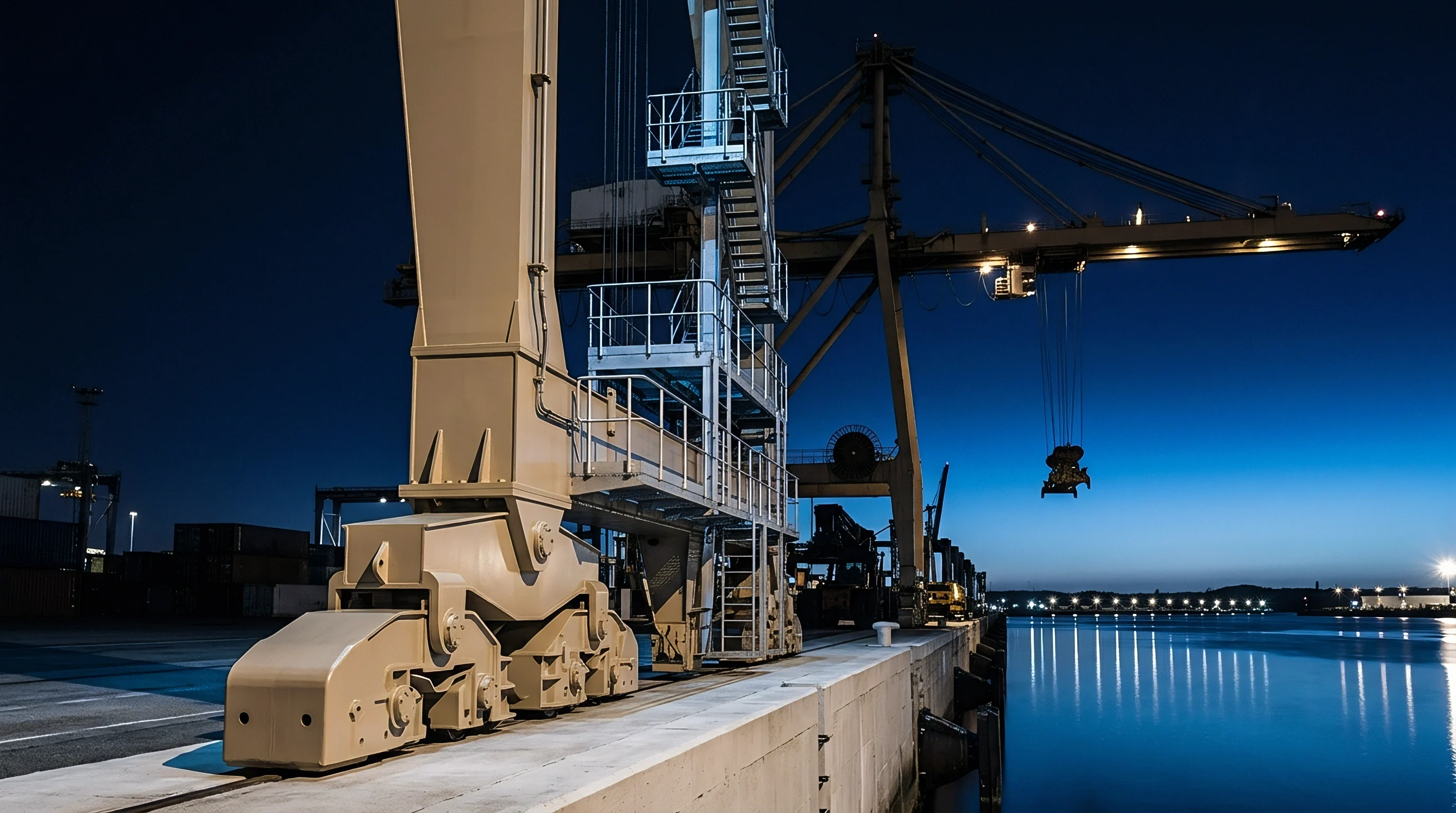
Container terminal gates at Ningbo-Zhoushan and Shenzhen Yantian turn freight into custody disputes within forty-eight hours of an electronic manifest hold. When an automated scan flags a twenty-foot box of mechanical sub-assemblies against the General Administration of Customs IP database, the physical shipment stops moving. The container sits on the terminal pad while shipping lines run twenty-four-hour demurrage clocks.
Port authorities do not evaluate manufacturing intent, supply agreements, or foreign brand registrations. Port officers enforce domestic patent filings recorded under GACC Decree Number 240. The legal entity holding the Chinese utility model controls the checkpoint.
Customs officers execute detentions through two distinct statutory tracks under the PRC Regulations on Customs Protection of Intellectual Property Rights. Under the ex-officio track, customs officers discover suspected patent infringement during routine container inspections, notify the recorded patentee, and hold the cargo pending a formal detention application. The patentee holds three working days to confirm infringement allegations and post a cash bond matching the invoiced shipment value.
Under the ex-application track, a rights holder discovers an outbound cargo booking, petitions customs directly, and posts security before terminal gantry cranes load the container aboard the vessel. Detention fees accrue immediately. Demurrage charges compound daily.
A cash bond matching one hundred percent of the declared customs value stays frozen in GACC escrow throughout the administrative detention window.
Sub-tier component suppliers routinely trigger these terminal interdictions without the knowledge of the primary exporter. A tier-one contract manufacturer in Suzhou or Dongguan buys terminal brackets, spring latches, or internal fluid manifolds from independent workshops across Zhejiang or Guangdong. The tier-two workshop holds an unexamined utility model on that structural configuration, registered eighteen months earlier without examination for inventive step.
When the relationship between the tier-one assembler and the sub-tier vendor fractures over pricing or payment terms, the tier-two vendor records the utility model with customs authorities in Beijing. The recordation enters the national coastal terminal screening database within fifteen working days.
- Interdiction by recorded claim halts containers when customs profiling systems match exported harmonized system codes and sub-assembly descriptions against recorded utility model drawings.
- Commercial leverage seizure occurs when an unpaid component fabricator uses border interdiction to force immediate settlement of overdue commercial invoices.
- Competitor proxy petitions leverage local utility model filings held by affiliated workshops to interrupt a competing exporter’s peak seasonal shipping windows.
- Bond forfeiture exposure develops when the declared exporter fails to challenge an administrative seizure within the statutory response window, allowing customs to auction or destroy the cargo.
Coastal customs clearance environments amplify these exposures through strict operational schedules. In Shanghai Yangshan or Ningbo Beilun, terminal handling fees escalate sharply once free time expires. The exporter faces shipping line demurrage, terminal storage charges, plug-in fees for temperature-controlled freight, and contractual non-delivery penalties from destination retail buyers.
Customs bonds equal cargo value. Foreign buyers cannot clear the freight simply by showing ownership of foreign utility patents or international design registrations.
| Port Terminal | GACC Customs District | Typical Clearance Free Time | Detention Bond Requirement | Average Administrative Hold |
|---|---|---|---|---|
| Yangshan Phase IV | Shanghai Customs | 4 Calendar Days | 100% FOB Cargo Value | 30 Working Days |
| Beilun Terminal | Ningbo Customs | 5 Calendar Days | 100% FOB Cargo Value | 25 Working Days |
| Yantian Phase III | Shenzhen Customs | 4 Calendar Days | 100% FOB Cargo Value | 30 Working Days |
| Qianwan Terminal | Qingdao Customs | 5 Calendar Days | 100% FOB Cargo Value | 20 Working Days |
| Demurrage calculations assume standard carrier tariff lines with compounding terminal storage fees assessed under local maritime port authority schedules. | ||||
Mishandling sub-tier patent checks before dispatching freight to the terminal gate results in abandoned cargo, forfeited security bonds, and commercial default across international supply agreements.

Grant
Utility models pass through China National Intellectual Property Administration examiners without examination for novelty or inventive step. An applicant files technical drawings, a brief specification, and structural claims under Article 2, Paragraph 3 of the PRC Patent Law. The patent office verifies formal paperwork completeness, checks classification categories, and issues an official grant certificate within six to twelve months.
No examiner searches prior art registries. No examiner compares the application against existing commercial products. Chinese utility models receive no examination.
Do Evaluation Reports Prevent Custom Interdictions?
Article 66 of the PRC Patent Law allows patent holders or accused infringers to request a Patent Evaluation Report from the patent administration. This formal document represents the initial substantive assessment of the utility model’s validity. An examiner conducts a comprehensive prior art search, checks inventive step against domestic and international disclosures, and issues an administrative opinion.
A positive evaluation report confirms claim validity, while a negative report notes lack of novelty or inventive step. Evaluation reports take eight weeks. Exporters utilize negative evaluation reports to petition customs officials for immediate cargo release without posting duplicate security bonds.
GACC border registration rules theoretically demand a patent evaluation report before granting utility model recordation. Recordation clerks occasionally admit registrations accompanied by basic preliminary filings or provisional confirmations. When a recorded utility model lacks a completed evaluation report, the patentee faces vulnerability during an interdiction challenge.
An exporter confronting an export freeze requests an immediate certified copy of the evaluation report from customs. If the patentee fails to produce a favorable report within the statutory verification period, customs authorities dissolve the detention order.
Contractual warranties asserting non-infringement remain legally inert at the customs dock without registered patent evaluation reports attached to the shipping dossier.
The statistical validity of utility models demonstrates significant vulnerability under formal scrutiny. Historical invalidation records indicate an eighty-two percent invalidation rate for utility models challenged before the CNIPA Reexamination Board on lack of novelty grounds. This figure rests on CNIPA published invalidation decisions for mechanical utility models between 2019 and 2023 across 1,420 disputed claims.
The invalidation rate drops to fifty-four percent when the petitioner introduces only non-patent literature or foreign-language references lacking certified Chinese translations. A tier-two vendor’s unexamined grant certificate projects an illusion of intellectual property supremacy that dissolves upon encountering prior art databases.
| Statutory Metric | Utility Model Patent | Invention Patent | Customs Recordation Standard |
|---|---|---|---|
| Substantive Examination | None Prior to Grant | Mandatory Prior to Grant | Evaluation Report Requested for Utility Models |
| Average Prosecution Period | 6 to 10 Months | 24 to 48 Months | 15 to 30 Days from Filing Dossier |
| Statutory Term of Protection | 10 Years from Application | 20 Years from Application | Co-terminus with Patent Term |
| Novelty Reexamination Standard | Domestic and Global Art | Domestic and Global Art | Prima Facie Assessment of CNIPA Validity Record |
| Enforcement Evidentiary Weight | Requires Evaluation Report | Self-Authenticating Grant | Customs Discretionary Detention Authority |
A purchase order amendment specifying that all sub-tier components remain free of unrecorded utility models, backed by an agreement that component fabricators deliver certified patent evaluation reports thirty days prior to port delivery, shifts financial liability to the local supplier upon customs detention.

Trace
Engineering modifications executed deep within sub-tier fabrication lines create unmonitored patent risks that surface at container clearance points. Direct suppliers obscure component origins. When a primary contractor in Kunshan subcontracts bracket stamping to a secondary workshop in Cixi, the internal engineering drawings change to match local tooling dimensions.
The workshop foreman files a personal utility model covering the altered bracket geometry, including the screw placement and folded edge tolerance. The primary buyer remains oblivious to the local filing while containerized products roll toward Ningbo container freight stations.
Stamping dies in Zhejiang workshops illustrate this operational division, where presses from the 1990s still strike copper terminals under corrugated steel roofs miles away from modern tier-one assembly lines. Component drawings pass through informal digital chat channels without version numbers or explicit assignment clauses. The local toolmaker modifies a die by two millimeters to prevent sheet metal cracking, notices the altered profile yields smoother mechanical action, and instructs a family member to register the resulting geometry with the patent office.
That registration becomes an export weapon eighteen months later.
A tier-one supplier cannot certify intellectual property purity across sub-tier components without physically auditing the underlying tooling registers and individual die modifications.
Unexamined filings create severe border traps. Industry discussions suggest that fifteen to twenty-five percent of domestic tier-two sub-assemblies in coastal light manufacturing districts carry undisclosed utility models filed by workshop personnel or local distributors. The desk cannot audit every small machine shop to defend that exact percentage band.
A prudent buyer operates under the maximum exposure assumption, executing comprehensive sub-tier patent clearance searches for every custom cast, stamped, or molded element before cutting production dies.
- The buyer extracts complete bill of materials documentation down to raw component drawings and mechanical fasteners.
- Field auditors visit sub-tier workshops to photograph all stamping dies, injection molds, and sub-assembly jigs.
- Auditors verify the physical die identification plates against declared supplier asset registers and commercial invoices.
- The inspection team checks the national patent register against workshop business names, legal representatives, and toolroom managers.
- The legal team cross-references component CAD profiles against all utility models granted within the specific technical classification over the preceding five years.
Tier two suppliers rarely export. The direct vendor routinely dismisses requests for component tracing by claiming that small sheet metal brackets and plastic bushings represent standard industrial shapes that nobody bothers to patent.


Search
Prior art databases hold the technical disclosures needed to dismantle abusive utility models before containers enter terminal gates. Prior art search structures focus on Chinese-language utility model filings rather than international patent classifications alone. Many local utility models copy publicly available technical manuals, foreign industrial catalogs, or expired international patents.
These domestic filings survive because CNIPA examiners conduct zero novelty checks during the registration stage. Sub-tier drawings govern patent scope.
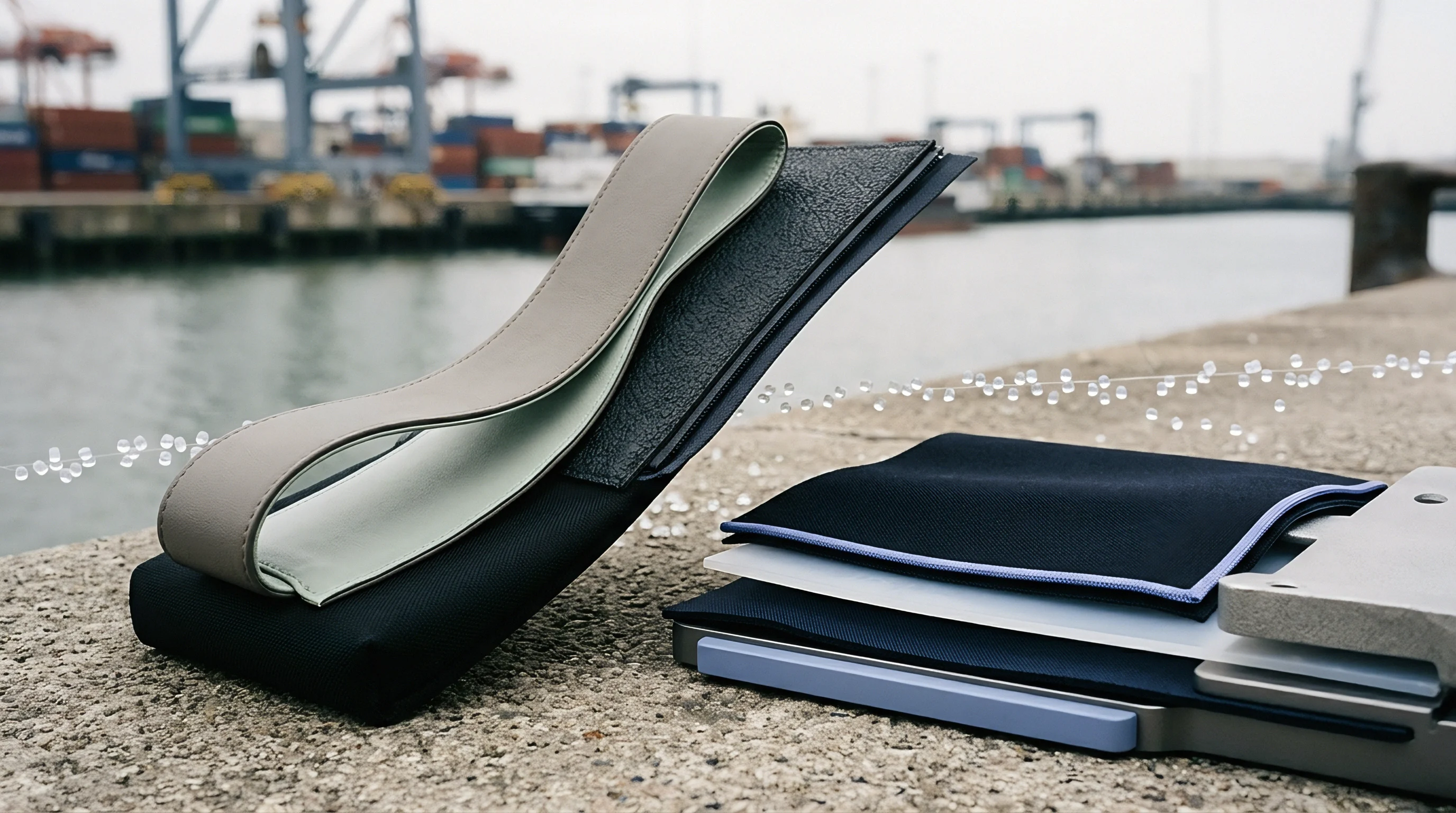
Will Prior Art Searches Disarm Customs Petitions?
Pre-emptive invalidation searches uncover anticipation evidence that neutralizes export interdictions. When an examiner identifies identical technical features disclosed in a domestic catalog published prior to the utility model filing date, the patent loses novelty under Article 22 of the PRC Patent Law. The exporter compiles this evidence into a formal invalidation petition submitted to the CNIPA Reexamination Board in Beijing.
While invalidation proceedings take twelve months to reach a final decision, a submitted petition supported by verified prior art provides coastal customs officers with solid administrative justification to accept counter-bonds and release physical cargo.
Under Article 28 of the PRC Customs Protection of Intellectual Property Regulations, an accused exporter can avoid indefinite cargo holds by posting a counter-guarantee. Counter guarantees release detained containers. The counter-bond equals the value of the seized goods or matches the initial security posted by the patentee.
Customs releases the shipping containers, allowing the vessel to depart the berth on schedule. Port storage costs escalate quickly. The legal dispute over patent validity and infringement shifts from the physical shipping berth to a PRC specialized intellectual property court or CNIPA administrative reexamination tribunals.
- Catalog disclosure records prove public availability of the claimed structural features before the domestic priority date.
- Commercial invoice histories demonstrate prior domestic sale or public use of the component within Chinese territory.
- Foreign patent documentation establishes identical engineering configurations disclosed in international jurisdictions lacking domestic Chinese patent filings.
- Technical drawing archives verify that the accused buyer provided the original specifications to the sub-tier workshop prior to the filing date.
Exporters establishing robust prior art dossiers eliminate the operational leverage of predatory utility models. When the evidence clearly shows that the claimed mechanism was publicly known, the patentee risks incurring liability for bad-faith customs detention petitions. Article 27 of the PRC Customs IP Regulations forces the applicant to compensate the cargo owner for warehousing fees, demurrage, and container degradation caused by unjustified holds.
| Procedural Stage | Statutory Authority | Required Documentation | Financial Commitment | Resolution Window |
|---|---|---|---|---|
| Customs Counter-Bond Filing | PRC Customs IP Regs Art. 28 | Formal Application, Bank Letter of Credit | 100% Invoiced Cargo Value | 3 to 5 Working Days |
| CNIPA Invalidation Petition | PRC Patent Law Art. 45 | Prior Art Search Dossier, Certified Translations | Administrative Filing Fees | 8 to 14 Months |
| Patent Evaluation Challenge | PRC Patent Law Art. 66 | Prior Art References, Claim Chart Analysis | Official Examination Fees | 2 to 3 Months |
| Civil Judicial Clearance | Civil Procedure Law Art. 119 | Non-Infringement Declaratory Complaint | Court Filing and Legal Escrow | 12 to 24 Months |
Prior art searches that uncover domestic disclosures published before the priority date strip unexamined utility models of their enforcement authority at the border.

Bond
Financial mechanisms decide the final losses when an unexamined utility model halts export containers at the coastal loading terminal. Take an export shipment of industrial pump assemblies valued at 450,000 US dollars declared at Ningbo port. A disgruntled tier-two casting supplier files a customs detention petition based on an unexamined utility model covering the internal impeller housing.
The tier-two supplier posts a cash bond of 450,000 US dollars with Ningbo Customs under Article 14 of the Customs IP Regulations. Customs freezes the three forty-foot containers immediately. Tooling possession dictates commercial leverage.
The exporter faces immediate operational arithmetic. Releasing the physical cargo to avoid missing the retail delivery window requires an identical counter-bond of 450,000 US dollars cash or an irrevocable bank guarantee posted with customs authorities under Article 28. If the exporter posts the counter-guarantee within five working days, customs releases the freight.
The carrier’s terminal demurrage costs run 350 US dollars per container daily after day four, producing 1,050 US dollars in daily logistics drain during the hold. Terminal plug-in and container shifting fees add a flat 2,800 US dollars. Legal teams drafting the invalidation filing and civil non-infringement lawsuit command 25,000 US dollars in initial retainers.
Settlement agreements executed under dockside urgency transfer value away from the exporter. The sub-tier vendor demands full payment of disputed invoices plus an exclusive five-year production contract as consideration for withdrawing the customs detention petition. If the buyer pays the ransom, the tier-two vendor retains the registered utility model, creating recurring exposure on every future export batch.
Tooling and design ownership must be cleanly extracted from the sub-tier vendor. Escrow releases follow customs exit.
Direct supply contracts must incorporate comprehensive indemnity escrows and liquidated damage provisions. Direct vendors must assume complete liability for all border detentions arising from sub-tier components, including carrier demurrage, terminal storage, customs bonding costs, and reasonable legal defense fees. Buyers enforce this liability by withholding an intellectual property warranty reserve of ten to fifteen percent across all purchase order settlements until cargo departs Chinese territorial waters.
The direct supplier monitors their sub-tier workshops when their own cash balance covers the risk.
The remaining complication centers on whether coastal customs administrations will reform current utility model detention thresholds to mandate positive patent evaluation reports before accepting border interdiction bonds from sub-tier claimants.