Meaning
Laboratory test where a sample is submerged in a fluid of varying temperature to evaluate its resistance to thermal fluctuations and chemical attack. Quality control teams utilize non isothermal immersion to simulate the harsh conditions found in chemical processing plants or automotive cooling systems. The test tracks how the material properties change as the temperature of the surrounding medium rises and falls.
Thermal Shock
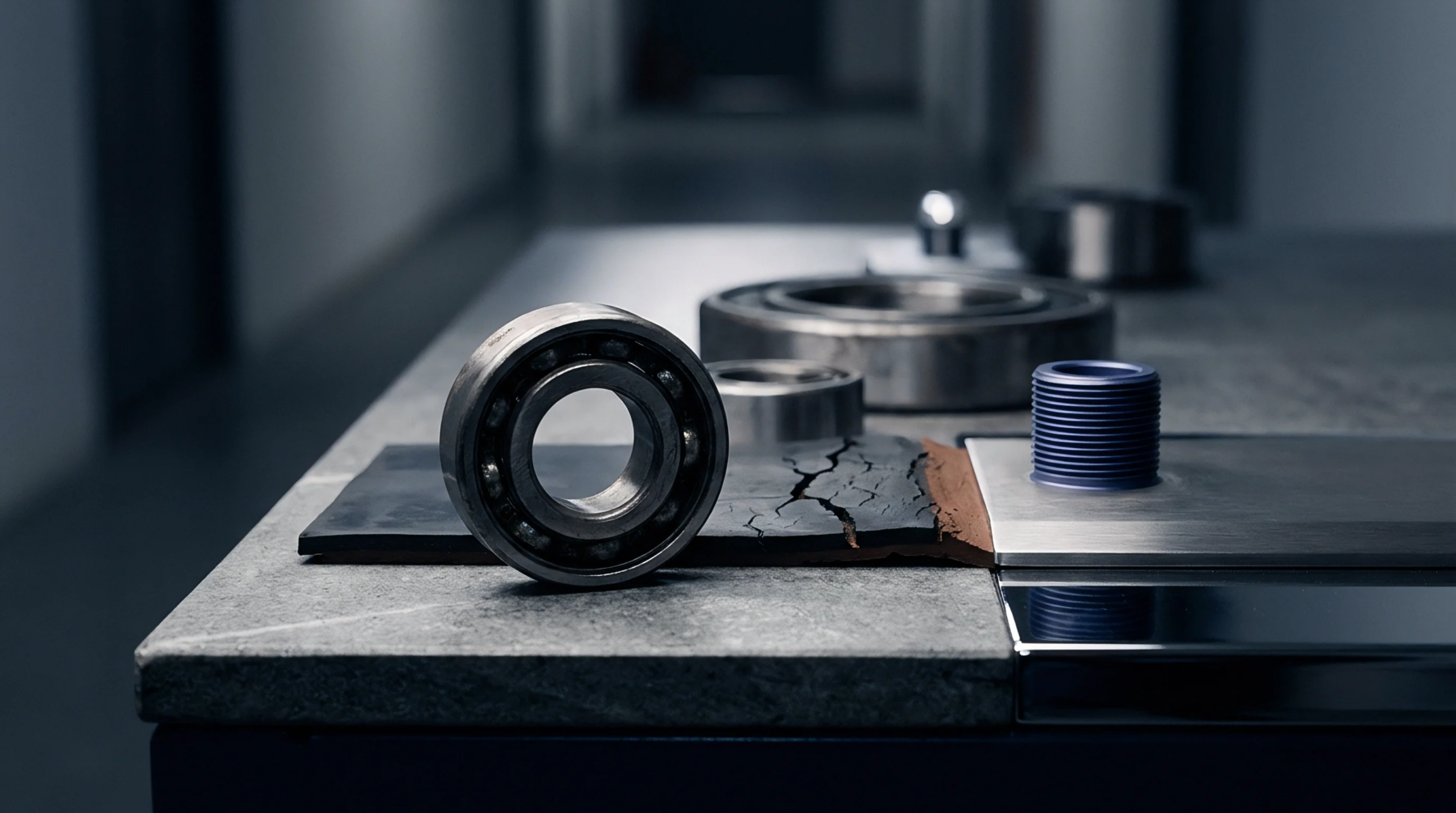
Rapid shifts in the temperature of the fluid induce internal stresses within the sample due to uneven expansion and contraction. During non isothermal immersion the material must maintain its physical dimensions without cracking or delaminating. Resistance to these forces is measured by recording the number of cycles a part can survive before the first sign of structural failure appears.
The rate of temperature change is carefully controlled to match the most extreme conditions the product will encounter during its intended use. Any deviation from the programmed thermal profile would invalidate the results and require a full restart of the test procedure.
Fluid Interaction
Absorption of the surrounding liquid increases at higher temperatures and often accelerates the degradation of the polymer or metal surface. While performing non isothermal immersion the chemist monitors the weight gain or loss of the specimen to determine the rate of penetration. This interaction determines if a seal or gasket will hold its integrity during real world operations.
Failure Threshold
Identification of the point where a material no longer performs its intended function marks the end of the test sequence. Data collected from non isothermal immersion provides the boundaries for safe operation in the field. This information allows engineers to select materials that offer a sufficient safety margin for the expected life of the equipment.