Meaning
Property rights over custom manufacturing tooling determine which legal entity holds exclusive ownership and repossession authority. Establishing clear injection mold title requires unambiguous contract terms separating tooling payment milestones from component piece-part prices. Under Chinese Property Law, title transfers upon full payment or explicit contractually defined milestones rather than physical delivery.
Factory suppliers holding possession of unlabelled tooling frequently claim ownership liens during commercial payment disputes or supplier bankruptcy proceedings.
Contractual Ownership
Equipment procurement contracts must specify exact title transfer conditions, tax invoice allocations, and depreciation treatment. Securing injection mold title involves issuing separate procurement contracts for tooling and maintaining proof of full payment via verified bank transfers. Including explicit language that tooling remains personal property of the buyer prevents factory managers from encumbering molds as collateral for local debt obligations.
Physical Identification
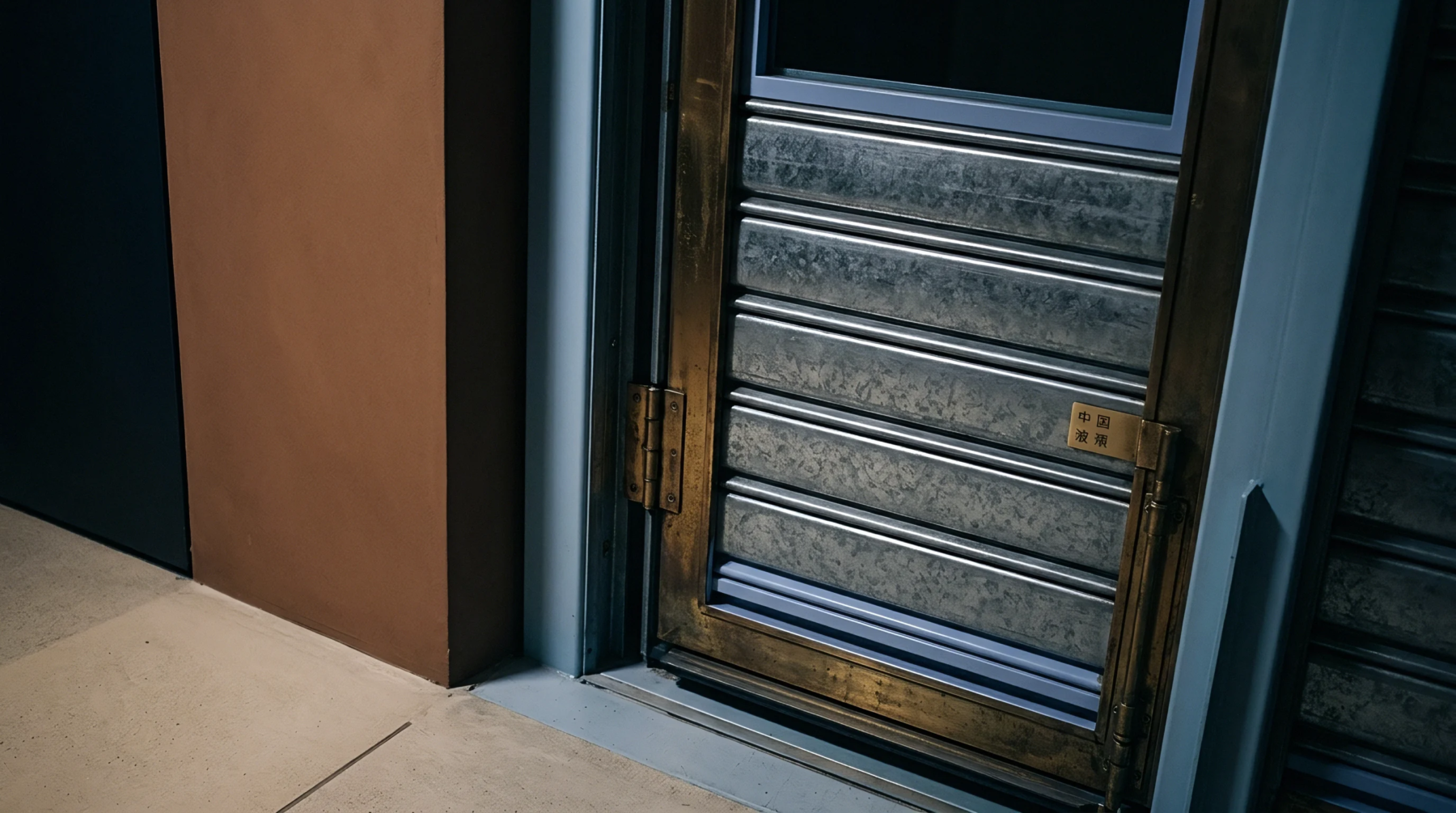
Legal ownership on paper must be reinforced through physical marking and operational segregation inside the manufacturing plant. Verifying injection mold title during factory audits requires affixed metal nameplates stating buyer name, asset serial numbers, and patent identifiers in both Chinese and English. Unmarked tooling located on factory floors is presumed under local law to belong to the property owner of the physical premises.
Recovery Action
Repossessing tooling from non-compliant suppliers requires executing pre-agreed step-in rights or obtaining court asset preservation orders. Local courts enforce title claims when supported by official tax invoices, contract payment records, and physically matching asset tag photographs.