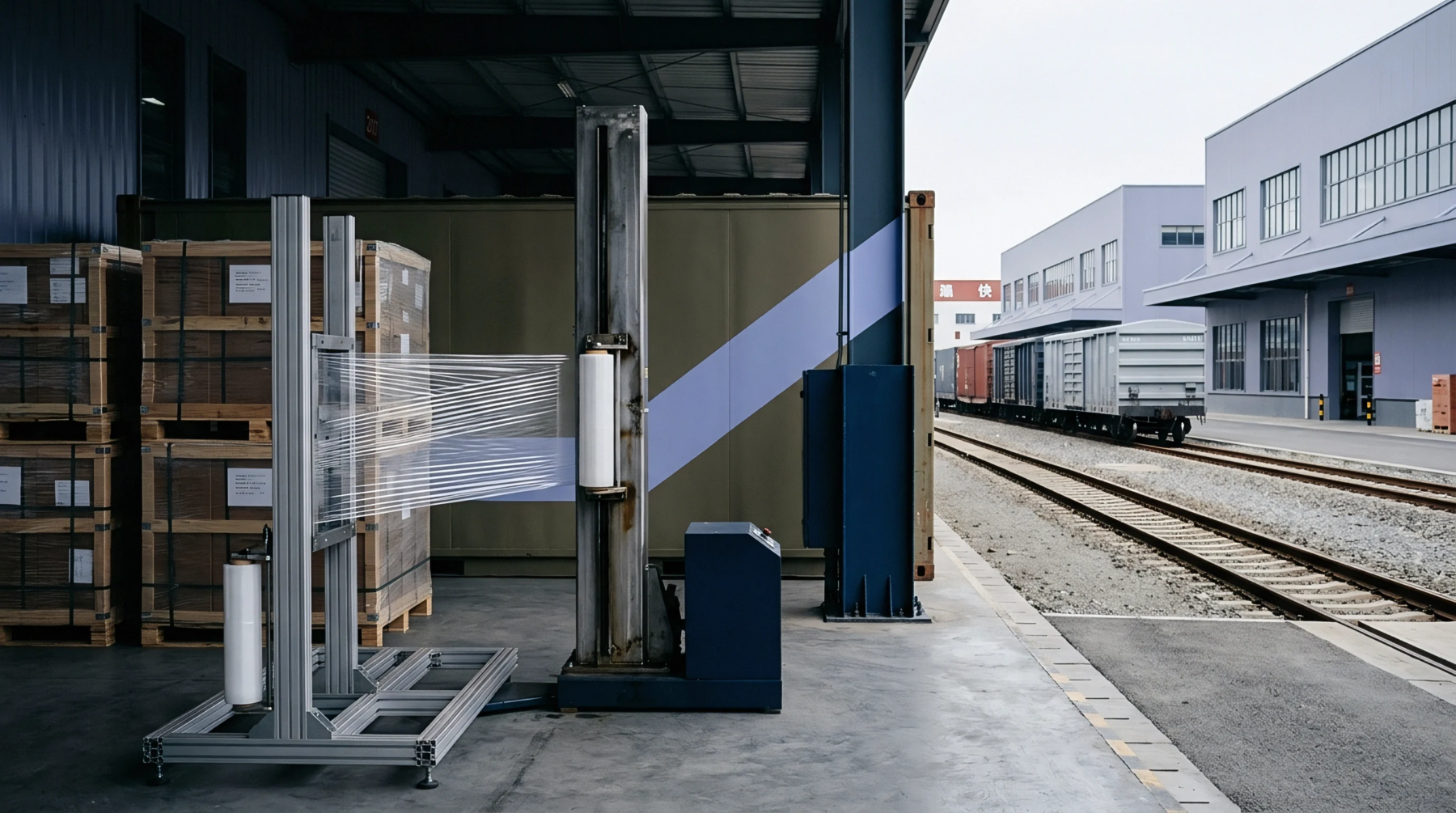
Non-Isothermal Transport Modeling at Electroplated Substrate Interfaces
Non-isothermal boundary layer modeling prevents microvia voiding and cuts additive breakdown scrap by matching fluid agitation to interfacial Joule heat.
Technical verification conducted directly within the operational manufacturing line allows sensors to be checked for accuracy without removing them from their specific process mounts. Performing in-situ thermocouple calibration involves comparing the temperature reading of a permanently installed sensor against a secondary high precision reference probe placed in the same thermal environment. This process manages the correction factors applied to process control systems by identifying drifts caused by chemical contamination, mechanical stress or sensor aging in a high heat setting.
It serves as the primary boundary for maintaining thermal homogeneity in furnaces and chemical reactors where extraction of the probe would cause unwanted downtime or safety hazards. Engineers use this data to adjust the offset in the PLC logic so the displayed temperature matches the true physical state inside the chamber.
Procedural steps start with the insertion of a calibrated reference sensor into a secondary thermowell located as close as possible to the primary device being tested. During in-situ thermocouple calibration, the heating equipment is held at a steady state to ensure the environment is thermally stable before the two readings are recorded. A technician monitors both outputs over a specific timeframe to identify deviations that exceed the tolerances established by the quality management system.
If the stationary probe shows a lower reading than the reference, the error is calculated as a scalar offset that is then programmed into the monitor software. This mechanism relies on the spatial proximity of the sensors to ensure that neither is influenced by air currents or localized cooling near the walls of the vessel. The procedure effectively maps the sensor health without breaking the hermetic seal of the reactor.
Industrial accuracy requirements dictate the specific type of reference equipment used to validate the sensors during an active production run. Calibration results specify if the primary in-situ thermocouple calibration remains within a fraction of a percent of the known standard over the entire operating range. This metric distinguishes between a minor electronic drift and a major failure of the thermocouple junction itself, which would require an immediate shutdown and replacement.
Uniformity in the readouts ensures that chemical reactions proceed at the correct kinetic speeds and prevents the batch from overheating. High reliability electronics manufacturing relies on these figures to prove to auditors that the thermal profile was identical from the start to the end of a shift. The recorded offsets form a permanent record used for tracking the degradation rate of the probe over its multi year service life.
Practical constraints of thermal lag and immersion depth limits prevent the comparison from reaching the same absolute precision found in a secondary standards laboratory. Application of in-situ thermocouple calibration stops being effective if the reference probe cannot reach the exact location of the work because of mechanical obstacles or safety barriers inside the machine. Heat transfer across the thermowell itself can introduce a constant error that must be mathematically filtered from the final comparison report.
Local environmental agencies often set the boundary where internal checks must be verified by a portable dry well or a primary standard once a year. If the differential between the reference and the target varies across several repeat tests, it suggests erratic failure rather than a stable drift, triggering a mandatory replacement cycle. Successful execution results in a validated thermal window that keeps the production line within the strict compliance norms for safety and quality.
Non-isothermal boundary layer modeling prevents microvia voiding and cuts additive breakdown scrap by matching fluid agitation to interfacial Joule heat.
Expertise is a utility, not a secret. sentiention™ publishes its working knowledge as open reference: intelligence layer covering the materials it sources, the markets it enters, and the reference that serves both.