Meaning
Real-time operational measurement monitors the actual production output of manufacturing equipment against engineered cycle times across single-hour increments. Functioning as a high-resolution cadence metric, this administrative and supervisory procedure identifies micro-stoppages, speed degradation, and scrap spikes that broad shift-level reporting obscures. Implementing hourly run rate tracking involves comparing logged physical units produced by an injection moulding machine, stamping press, or assembly cell against its theoretical nameplate target.
Production managers use this continuous data stream to immediately trigger shopfloor maintenance interventions before schedule variances compound into missed supply agreements. The technique stops applying in batch process environments where production occurs as continuous fluid flows or multi-day chemical reactions devoid of discrete piece counts.
Data Collection
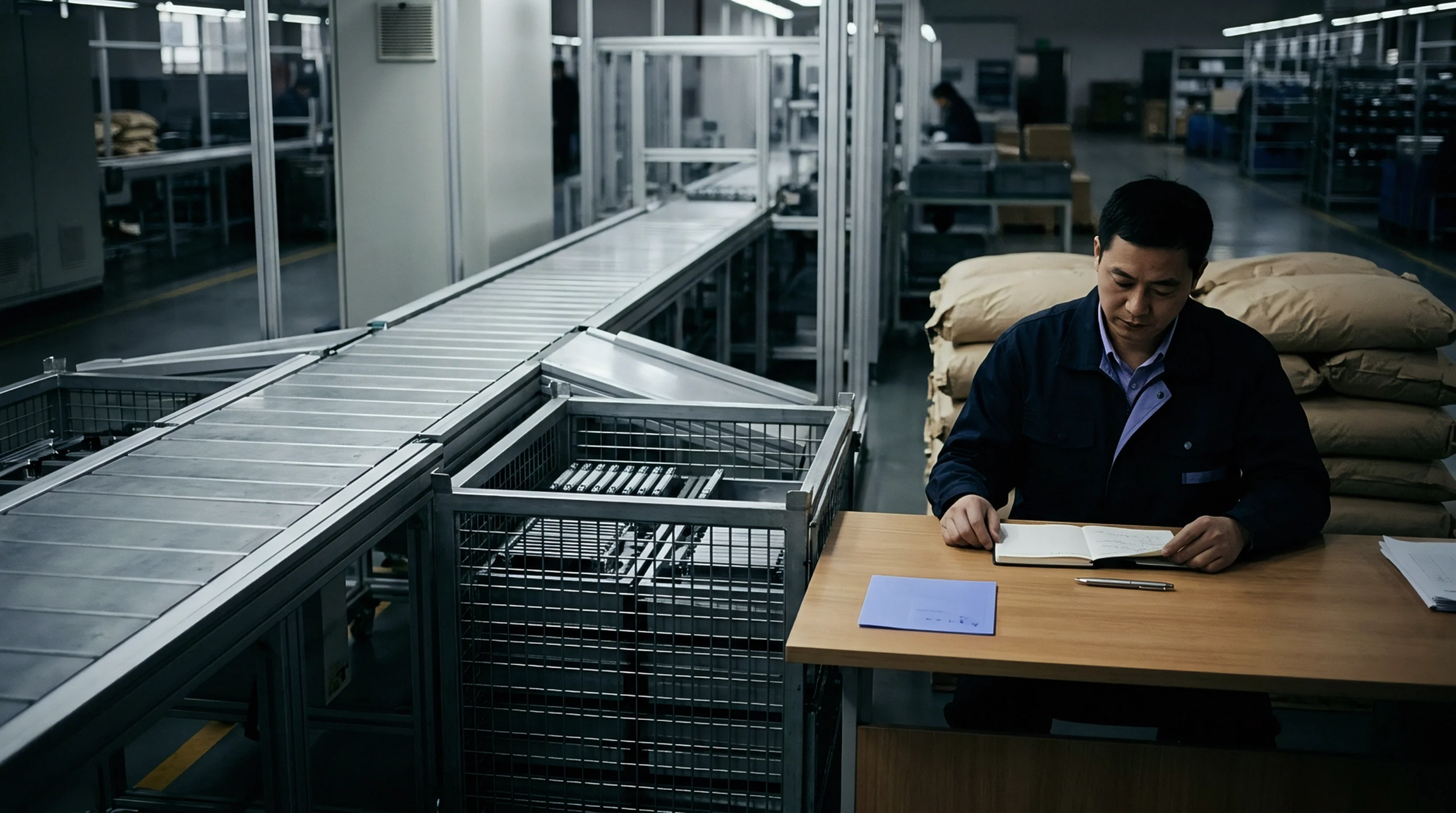
Automated sensor pulses from machine programmable logic controllers record part completions into supervisory control systems. Alternatively, manual visual whiteboards situated at workstation perimeters record parts produced, reject tallies, and logged downtime reasons at the conclusion of each hour. Implementing hourly run rate tracking exposes intermittent equipment starvation caused by sluggish material handling or feed hopper blockages.
Small anomalies, such as five-minute cycle extensions, surface instantly rather than remaining hidden inside overall equipment effectiveness averages. Immediate transparency isolates the exact hour when thermal instability or resin degradation began affecting cycle times.
Intervention Thresholds
Deviation boundaries set operational escalation protocols when production falls ten to fifteen percent below baseline targets. Tooling technicians examine cooling channel flow rates, manifold heat profiles, or hydraulic pressures whenever an hourly drop registers on the tracking log. This operational visibility prevents operators from silently running machinery at reduced speeds to mask untreated mechanical defects.
Material supply personnel monitor these counts to stage secondary packaging components and raw resin gaylords ahead of consumption spikes. Scrap surges trigger immediate quality control audits to contain defective components within the hour of production.
Operational Governance
Production supervisory teams review hourly run trends across shift handovers to eliminate handover drop-offs. Data captured through this mechanism populates root cause analyses concerning tooling wear, preventative maintenance intervals, and operator technique variations. Production scheduling systems intake actual run velocities to recalculate downstream assembly schedules dynamically.
Plant efficiency metrics improve as continuous line pacification replaces chaotic end-of-shift catch-up strategies. Data accuracy fails if floor operators record aggregate unit volumes across multiple hours to hide extended, unrecorded lunch-hour machine shutdowns.