Meaning
Organic chemical additives introduced into acidic copper electroplating baths refine grain growth to produce dense, reflective metallic coatings. In printed circuit board fabrication, brighteners adsorb onto high-energy crystal sites on the cathode surface, forcing fresh nucleation while restricting coarse grain development. The Ministry of Industry and Information Technology regulates chemical additive standards across domestic plating facilities under industrial quality directives, requiring continuous chemical monitoring during high-density interconnect production.
Excess brightener concentration leads to internal stress and embrittlement within microvia walls, while insufficient dosing results in dull, rough copper deposits that fail downstream adhesion testing.
Plating Mechanism
Sulphur-bearing organic compounds function by increasing cathodic polarization during electrodeposition, steering atom accumulation toward microscopic recesses. These molecules break down slowly under continuous current density, yielding micro-refined copper grains that enhance surface reflectivity and electrical conductivity. Bath agitation drives convective transport of active molecules to the board surface, ensuring uniform grain refinement across planar regions.
When current density shifts across complex board geometries, local adsorption dynamics alter the deposition rate.
Bath Maintenance
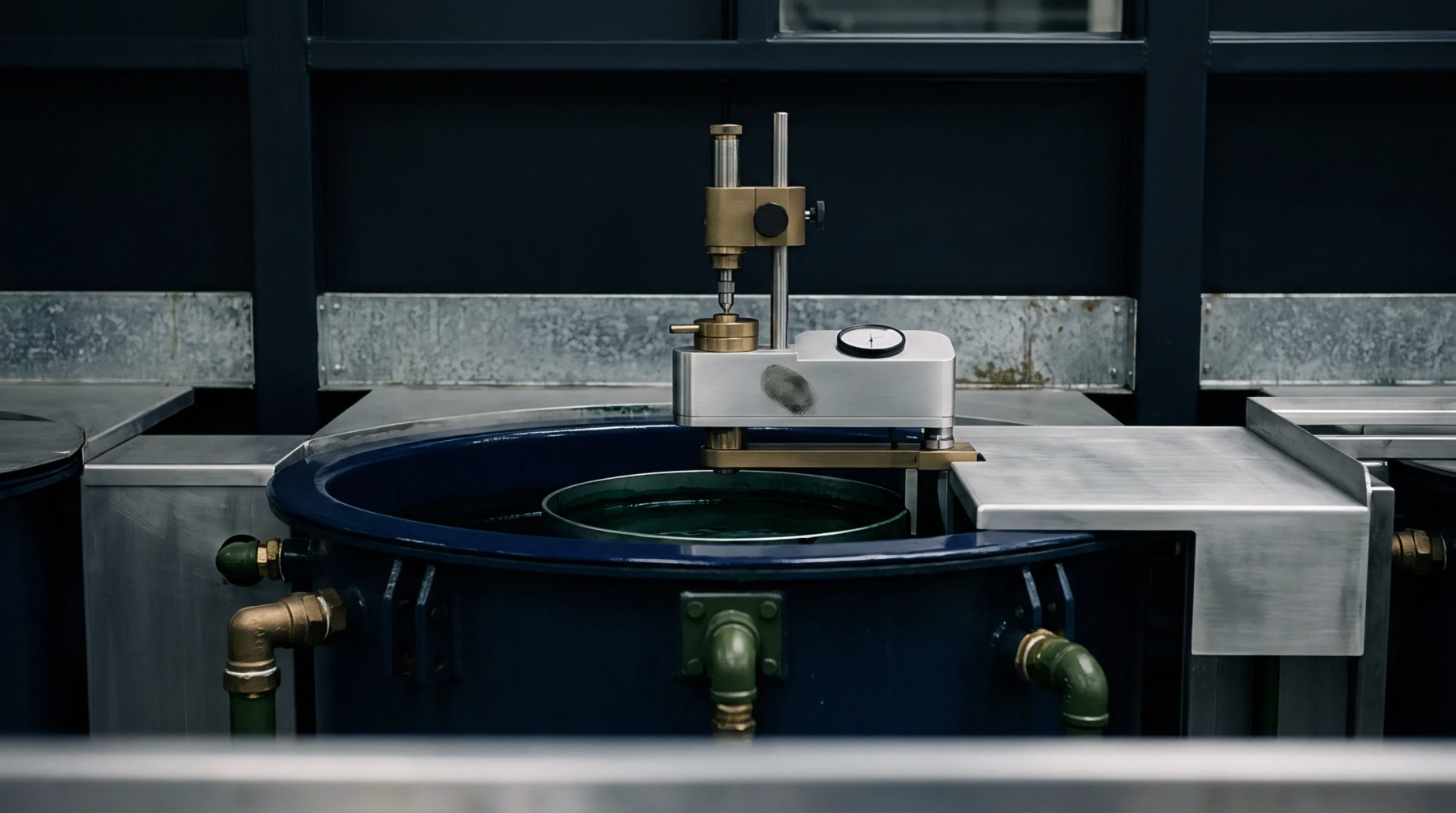
Cyclic voltammetric stripping equipment measures active organic concentrations inside copper sulphate solutions to maintain operational equilibrium. Plant operators replenish depleted bath chemistry according to total ampere-hours passed through the plating cell. National environmental protection regulations enforced by local ecology bureaus restrict organic carbon discharges, requiring targeted wastewater treatment for spent plating solutions.
Deposit Structure
Fine-grained copper matrices generated through balanced organic additions exhibit high tensile strength alongside uniform surface morphology. This microstructural refinement prevents micro-cracking during thermal shock testing prescribed by GB/T industrial standards.