Meaning
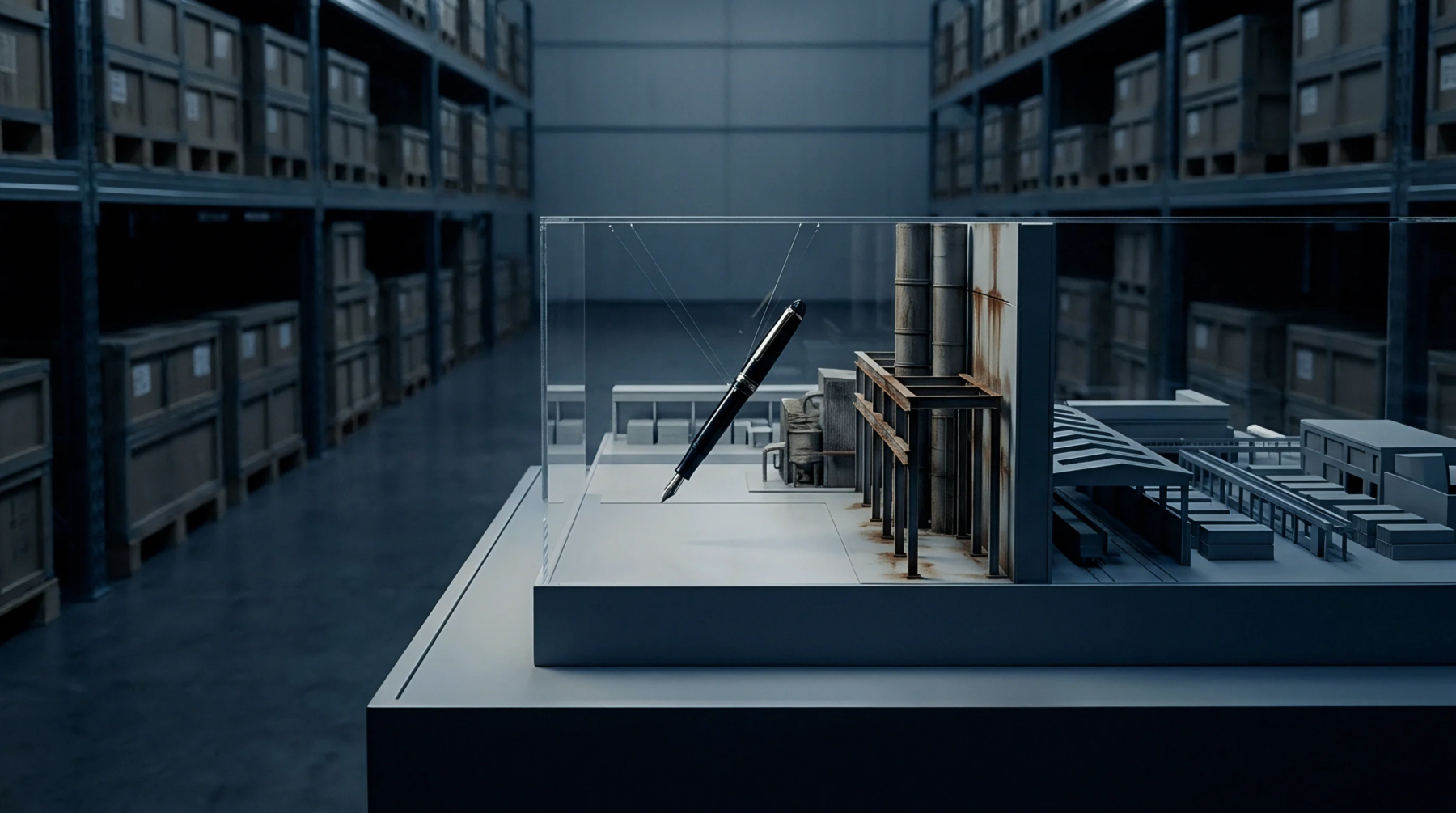
A post-production verification method used in Chinese assembly plants involves completely dismantling a finished sample from a completed run to verify internal assembly quality. This process of batch teardown is mandated for high-reliability sectors under national quality regulations.
Regulatory Audit
Administrative oversight by local market regulation bureaus requires manufacturers of critical equipment to maintain verifiable records of destructive testing. Local officers inspect these audit logs during routine factory evaluations to verify that compliance stands remain high. Failure to present these records leads to administrative warnings or suspensions of export clearances.
Procedural Execution
Industrial technicians begin the technical process immediately after a production lot is sealed. They select random units, disassemble every joint, and measure internal components against the registered technical drawings. This step ensures that no drift has occurred in tooling or operator assembly methods over the course of the run.
Contractual Penalty
Commercial supply agreements between foreign buyers and domestic joint ventures often specify financial remedies if the internal inspection reveals systemic assembly defects. When a batch teardown shows non-conformance, the entire production run is quarantined at the factory gates, which triggers immediate line stoppages and shifts the financial burden of reworking the batch to the contract manufacturer.