Managing Subcontractor Quality Risks during Factory Restart Ramps
Lock subcontractor quality during restart ramps by pairing utility meter audits with tightened inspection levels and contractually enforced payment retentions.
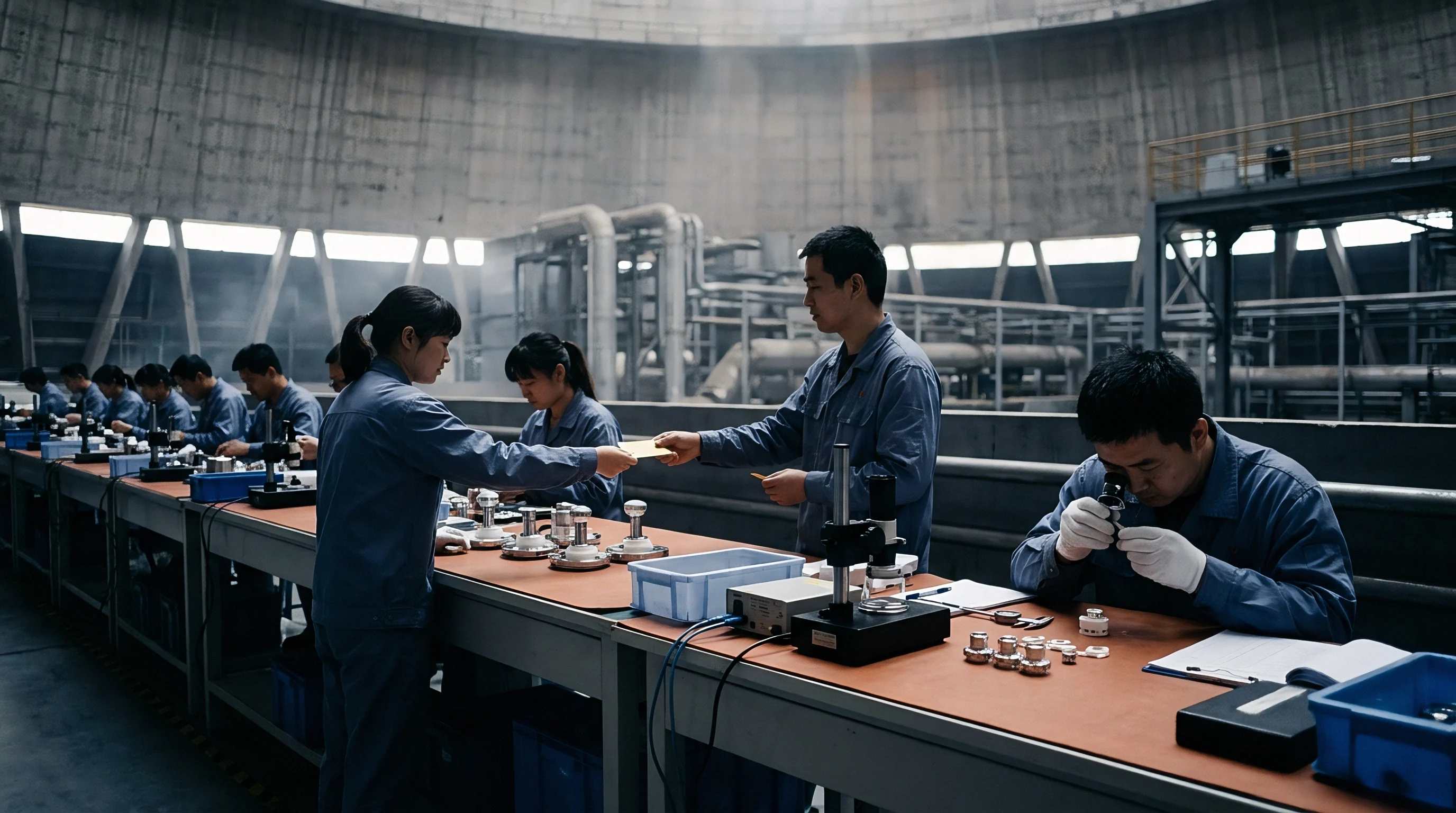

Creep
Production lines sit stagnant for three weeks during the national holiday migration, and restart curves rarely follow the planned ramp schedules submitted in January. Main factories face immediate line congestion, sudden order backlogs, and missing labor pools across every assembly tier. When tier-one facilities exceed 85 percent machine utilization inside the first fourteen operating days, production managers routinely route overflow processes out the back gate to secondary workshops without engineering notification.
Subcontracted parts enter the assembly flow mixed directly with validated lots, masking process divergence until functional testing fails at the primary pack-out station.
Direct oversight degrades across regional supply clusters. A tier-one supplier in Dongguan or Ningbo relies on external vendors for powder coating, precision stamping, custom fasteners, and wire harness termination. These secondary shops experience identical restart shocks, running older automated gear with skeleton shifts while competing clients demand accelerated deliveries.
Secondary suppliers take on volume far beyond their qualified press capacity. Tooling runs cold, cycle times get trimmed by machine operators seeking daily quotas, and thermal treatments lose soak time in continuous furnaces.

Hidden Capacity Transfers and Sourcing Drift
Unplanned subcontracting develops along commercial fault lines during February and March restarts. When a primary factory commits to delivery windows negotiated under penalty clauses, scheduling managers protect their main assembly line by farming out component fabrication. Small job shops twenty kilometers away absorb the overage.
These feeder facilities do not maintain identical quality management systems, calibrated metrology equipment, or climate-controlled raw material storage.
Post-holiday line clear logs that lack machine hour stamps indicate component fabrication shifted offsite during the initial volume surge.
Receiving docks accept these undocumented deliveries without incoming batch verification. The warehouse assumes parts arriving in familiar green totes originate from internal stamping lines. Cold-rolled steel stampings exhibit micro-burrs, unremoved stamping oils alter surface adhesion during subsequent bonding stages, and dimensional drift stays invisible to spot inspectors using hand calipers rather than optical coordinate measurement systems.
By day twenty of the ramp, minor subcontractor variances combine into significant assembly interference.
A supplier explains such deviations by stating the original tooling merely required routine seasonal maintenance while secondary partner machinery handled non-functional component geometries under identical technical drawings.

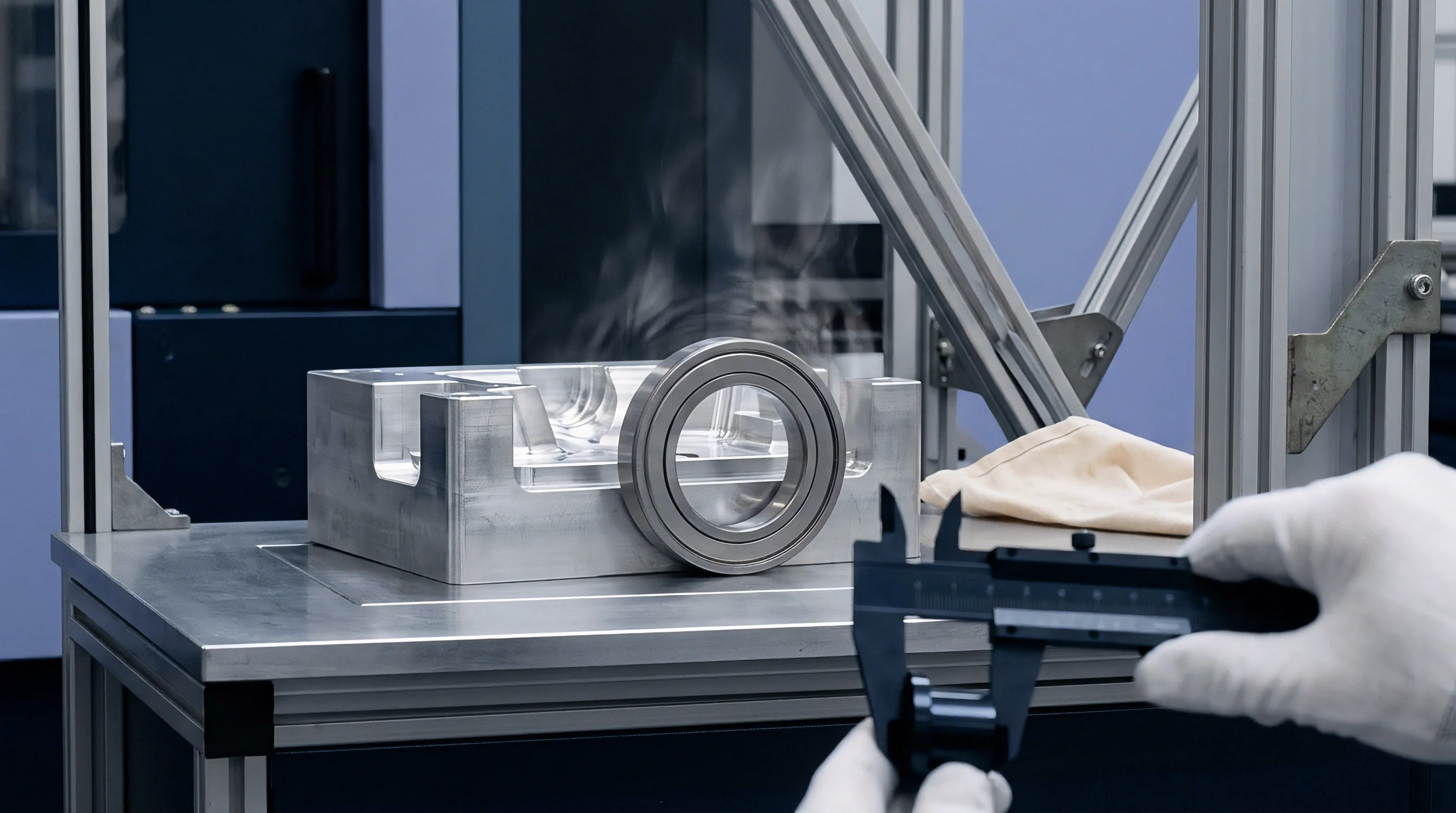
Jig
Molds and assembly fixtures degrade during weeks of unheated workshop storage. Condensation settles on tool steel surfaces, creating rust pitting on critical shut-off edges and pin guides before operators switch on power supplies. Tier-two injection molders and die-casters skip preventive restoration schedules to catch early shipment slots, running uncleaned dies through thermal cycling that fractures worn cores.
Cold tool bodies yield out-of-spec shrinkage rates, flashing on parting lines, and uneven wall thicknesses across multi-cavity tools.
Subcontractors handling secondary operations frequently modify machine offsets to mask tooling degradation. Stamping vendors run dull punch tools, increasing blanking clearance beyond standard material tolerance limits. The downstream assembly facility spends hours hammering stubborn tabs into oversized mating slots, inducing residual mechanical stress in final assemblies.
The stress stays dormant inside finished enclosures until drop testing or temperature cycling causes brittle plastic failures in transit.

Is Secondary Processing Fully Documented on Site?
Plating, anodizing, passivating, and heat treatment represent the highest vulnerability points during early-stage ramp cycles. Tier-one factories almost exclusively subcontract these processes due to municipal environmental zoning codes that restrict chemical effluent operations inside dense industrial zones. Subcontracted chemical finishing tanks suffer chemistry imbalance after multi-week production pauses.
Degreasing baths accumulate contamination, acid wash concentrations drift without titration logging, and plating bath current densities are pushed upward to clear volume backlogs.
| Process Stage | Nominal Parameter | Observed Restart Drift | Inspection Indicator |
|---|---|---|---|
| Zinc Electroplating | 12-15 µm thickness, 4 hr de-embrittlement bake | 6-8 µm thickness, bake cycle skipped or truncated | Premature white rust under 24-hr salt spray exposure |
| Aluminum Anodizing Type II | 18-22 µm coating, acid bath pH 0.8-1.2 | 10-14 µm coating, pH exceeding 1.8 | Optical color mottling, reduced abrasion resistance |
| Electroless Nickel | 8-10% phosphorus content, 88°C bath temp | Bath temp 74°C, phosphorus below 6% | Adhesion peeling during ultrasonic solvent immersion |
| Steel Case Hardening | 58-62 HRC, 0.4 mm case depth | 48-52 HRC, core overheating | Micro-indentation test variance across cross-sections |
The numbers in the table reflect verified processing logs collected from regional finishing parks in northern Zhejiang across early ramp audits. Anodizing baths run cold to save boiler startup fuel, while automated barrel plating lines run at double speed to recover lost calendar days. Chemical process drifts remain invisible to standard visual lot inspections.
The zinc coating appears uniform under workshop fluorescent lights, yet the parts fail ASTM B117 salt spray criteria within forty-eight hours.
When engineering teams overlook raw fixture verification at subcontracted suppliers, dimensional distortion propagates through every subsequent mechanical integration, destroying entire container shipments before sea freight customs clearance.


Audit
Desk audits of certified quality certificates provide zero operational defense against undocumented tier-two factory switching. Supplier accounts managers easily submit pristine ISO certificates, mill test sheets, and inspection summaries stamped by remote facilities that never handled the physical metal. Real control demands physical verification on the shop floor where the actual chips fall, chips are washed, and coils are fed into stamping presses.
Verification begins by matching electricity consumption records against reported component volumes.
Auditors verify subcontractor legitimacy by cross-referencing three independent data points: incoming raw material weight slips, machine runtime hour meters, and municipal environmental discharge permits. If a designated aluminum die-casting subcontractor reports producing 50,000 housings per week but their primary electric utility ledger indicates minimal baseline usage, those housings were cast in an uninspected satellite shop down the valley. The buyer then enforces unannounced factory walkthroughs to map material movement physically from machine to crate.

Whose Signature Validates the First Article Release?
Paper sign-offs during restart ramps are frequently rubber-stamped by junior shift clerks who never measured the physical part against the 2D CAD specification drawing. A robust quality plan assigns sign-off authority exclusively to named, qualified resident engineers. These engineers do not accept batch lots based on cosmetic appearance.
They pull five samples per cavity directly from the tool before mass production run approvals.
- Raw material traceability review verifies batch heat numbers on mill certificates against incoming coil tags and performs handheld X-ray fluorescence alloy analysis on uncut sheet stock.
- Dimensional first-article qualification inspects critical-to-quality dimensions using calibrated height gauges and optical comparators, confirming zero cavity drift on critical datum points.
- Sub-tier processing sign-off demands direct inspection of chemical concentration logs, bath temperature histories, and furnace heat treat charts from the secondary vendor before dispatch approval.
- Final container loading control matches pallet batch serials directly to qualified first-article production logs, sealing container latches with numbered tamper-evident tags recorded in the shipping dossier.
Subcontractors that hide production capacity always exhibit severe mismatches between reported production volume and municipal utility meter records.
Traceability breaks fastest at the physical handover point between facilities. When parts leave a subcontractor on flatbed trucks, parts receive minimal weather protection. Pallets travel wrapped in thin cling film through early spring rains, absorbing moisture that initiates oxidation before arrival at the primary assembly plant.
Traceability tags get torn away during transit, prompting warehouse receivers to staple fresh, generic batch codes onto mismatched tubs.
The shop floor that cannot produce an unbroken material movement log within twenty minutes of an inspector’s arrival is not running a controlled manufacturing process.


Roster
Workforce churn after annual holiday restarts permanently resets operating proficiency across lower-tier component producers. Skilled machine setters, CNC program setup technicians, and seasoned visual quality sorters often choose not to return to migrant manufacturing centers, taking jobs closer to their home provinces. Tier-two workshops absorb 30 to 55 percent new worker turnover during the initial thirty days of production.
New operators receive brief fifteen-minute line introductions before running manual assembly fixtures, high-tonnage stamping presses, or critical welding guns.
New hands make predictable mistakes. Solder pot temperatures fluctuate without operator intervention, crimp heights drift because manual press levers are released prematurely, and plastic injection gates are trimmed with dull utility knives, gouging structural sealing edges. Primary factories fail to notice these subtle craft defects because incoming sampling plans still operate on relaxed post-production inspection levels rather than tight restart thresholds.

Labor Skill Dilution and Verification Gating
Workplace churn demands an aggressive revision of incoming inspection criteria. Standard sampling under ISO 2859-1 (AQL) Normal Level II fails to catch distributed micro-defects caused by inexperienced manual labor. When a supplier relies on new line workers, the buyer must escalate receiving inspections to Tightened Level III or enforce 100 percent functional testing on safety-critical assemblies.
| Production Phase | Inspection Standard | Sample Size | AQL Defect Acceptance Limit (Major / Minor) |
|---|---|---|---|
| Initial Ramp (Days 1-15) | ISO 2859-1 Level III Tightened | 800 units | Accept 7 / Reject 8 (0.40) | Accept 14 / Reject 15 (1.0) |
| Stabilization (Days 16-45) | ISO 2859-1 Level II Normal | 315 units | Accept 5 / Reject 6 (1.0) | Accept 10 / Reject 11 (2.5) |
| Steady State (Day 46+) | ISO 2859-1 Level I Reduced | 80 units | Accept 2 / Reject 3 (1.5) | Accept 5 / Reject 6 (4.0) |
Transitioning between these inspection tiers requires empirical stability data rather than calendar assumptions. The primary factory must prove five consecutive zero-defect lots under Level III Tightened before dropping to Level II Normal. Subcontractor labor churn directly extends the days required to hit this transition baseline.
- Shadow training documentation confirms every replacement machine setter completed forty hours of supervised operation under an experienced tooling master before releasing production parts.
- Visual defect catalog displays place physical pass and fail boundary samples directly above every sorting table, eliminating subjective guesswork by newly hired visual inspectors.
- Torque and crimp parameter lockouts prevent manual adjustment of pneumatic assembly tools by unauthorized operators trying to bypass stiff mechanical detents.
- Workstation task certification cards display current operator qualification stamps, ensuring uncertified staff are not assigned to high-precision ultrasonic welding or potting stations.
Whether regional vocational training pipelines can replace the sudden loss of specialized metal-finishing technicians across coastal industrial corridors remains heavily contested among manufacturing planners.


Covenant
Legal agreements written under standard buyer templates fail to deter unnotified subcontracting during ramp panics unless contracts attach explicit, immediate commercial damages to unauthorized offsite production. A standard purchase order stating that suppliers will maintain quality systems does not stop a plant manager from routing 20,000 parts to an unvetted vendor when the primary assembly schedule breaks down. Commercial enforceability requires clear definitions of tier-two qualifications, strict factory site limitations, and direct financial penalties.
Bilingual manufacturing supply contracts under Chinese jurisdiction must specify the physical manufacturing address of every production step, including finishing, plating, heat treatment, and packaging. The contract must define any production outside these declared physical plant coordinates as a material breach of contract, triggering an immediate 30 to 50 percent purchase order price reduction, total lot rejection at supplier expense, and full indemnification for foreign port customs rework charges.

Structural Allocation of Commercial Liability
Escrow balances and retained payments represent the only genuine levers of enforcement across international borders. Holding a rolling 15 to 20 percent quality retention reserve across the first three ramp shipments concentrates the primary supplier’s attention on their external vendor network. If defects originate from an unapproved tier-two vendor, the buyer deducts third-party inspection fees, air freight replacement surcharges, and rework labor directly from the retained balance before authorizing final wire transfers.
A contract clause that permits unannounced factory audits across all supply chain tiers means nothing without a pre-agreed financial penalty for denied gate access.
Consider a standard production run of 40,000 precision gearboxes valued at $18.50 per unit. When a tier-one supplier offshores gear hobbing to an unqualified suburban shop to meet tight February shipping cutoffs, microscopic tooth profile errors introduce excessive acoustic noise and premature gear pitting. If the buyer catches the defect only after ocean transit to Rotterdam or Long Beach, the landed cost to sort, disassemble, and rework each unit exceeds $32.00 per assembly, obliterating project margin.
| Failure Scenario | Detection Location | Unit Remediation Cost | Commercial Recovery Mechanism |
|---|---|---|---|
| Unnotified Stamping Subcontract | Receiving dock at primary plant | $0.45 (Local scrap and tool recut) | Direct offset against monthly tier-one fabrication invoice |
| Brittle Anodized Fasteners | Tier-one final packaging line | $2.80 (Line tear-down and resupply) | Deduction from ramp milestone payment |
| Contaminated Solder Termination | Port of entry destination warehouse | $16.50 (Third-party sorting and rework) | Execution of rolling quality retention escrow balance |
| Delaminated Motor Enclosure | End customer installation field | $84.00 (Field recall, freight, replacement) | Direct litigation under PRC Civil Code supply contract clauses |
The standard contractual clause stipulating that any unauthorized change of production location or sub-tier processing partner invalidates product acceptance and triggers liquidated damages equal to three times the affected lot’s gross purchase value successfully halts unannounced subcontracting before tools leave the primary factory floor.