Judicial Treatment of Integrated Tooling Retention Liens in PRC Factory Insolvency Proceedings
Physical serial plate engraving and non-integrated die design enable overseas buyers to replevin custom tooling from insolvent PRC factories without debt retention.
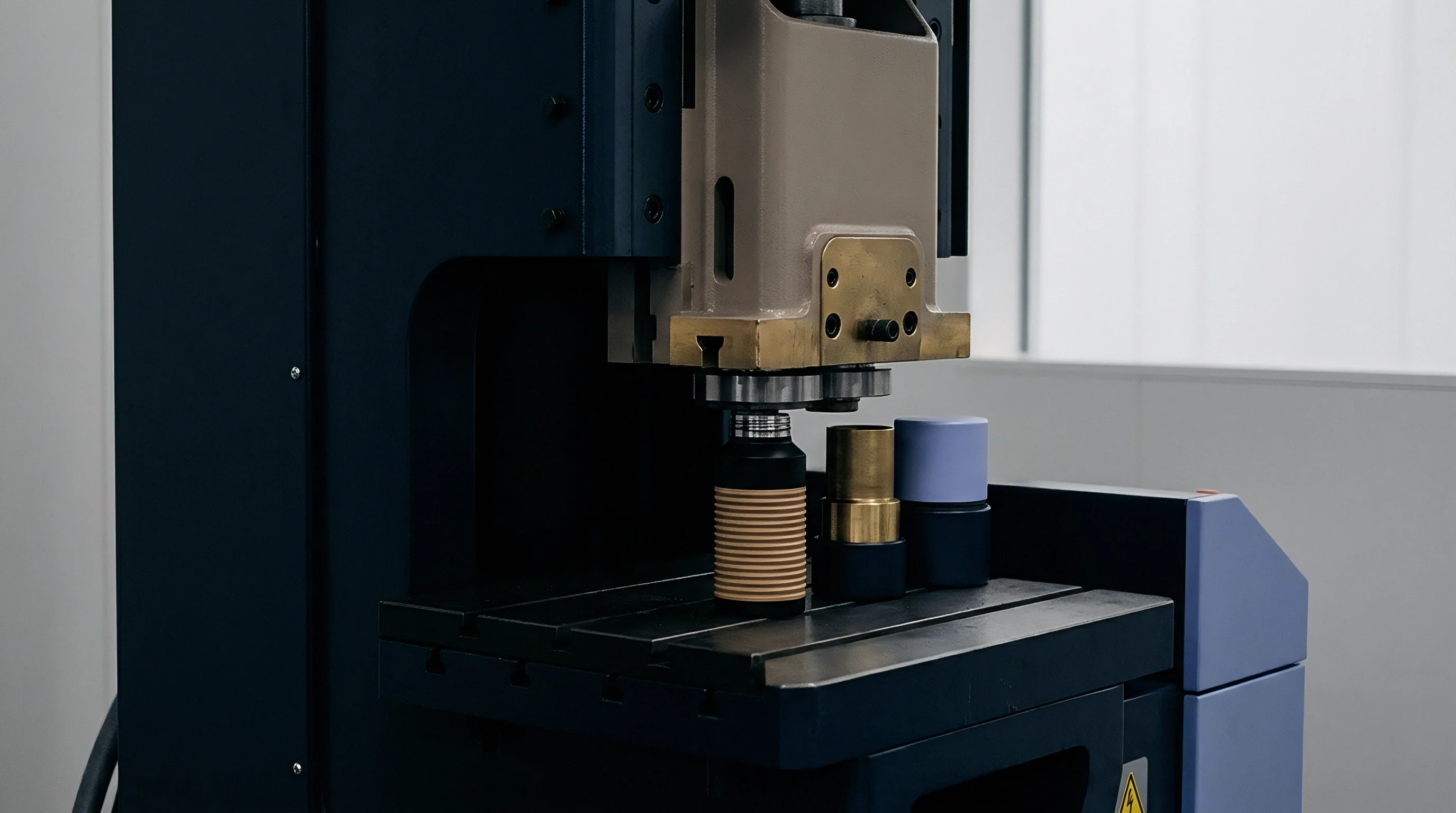
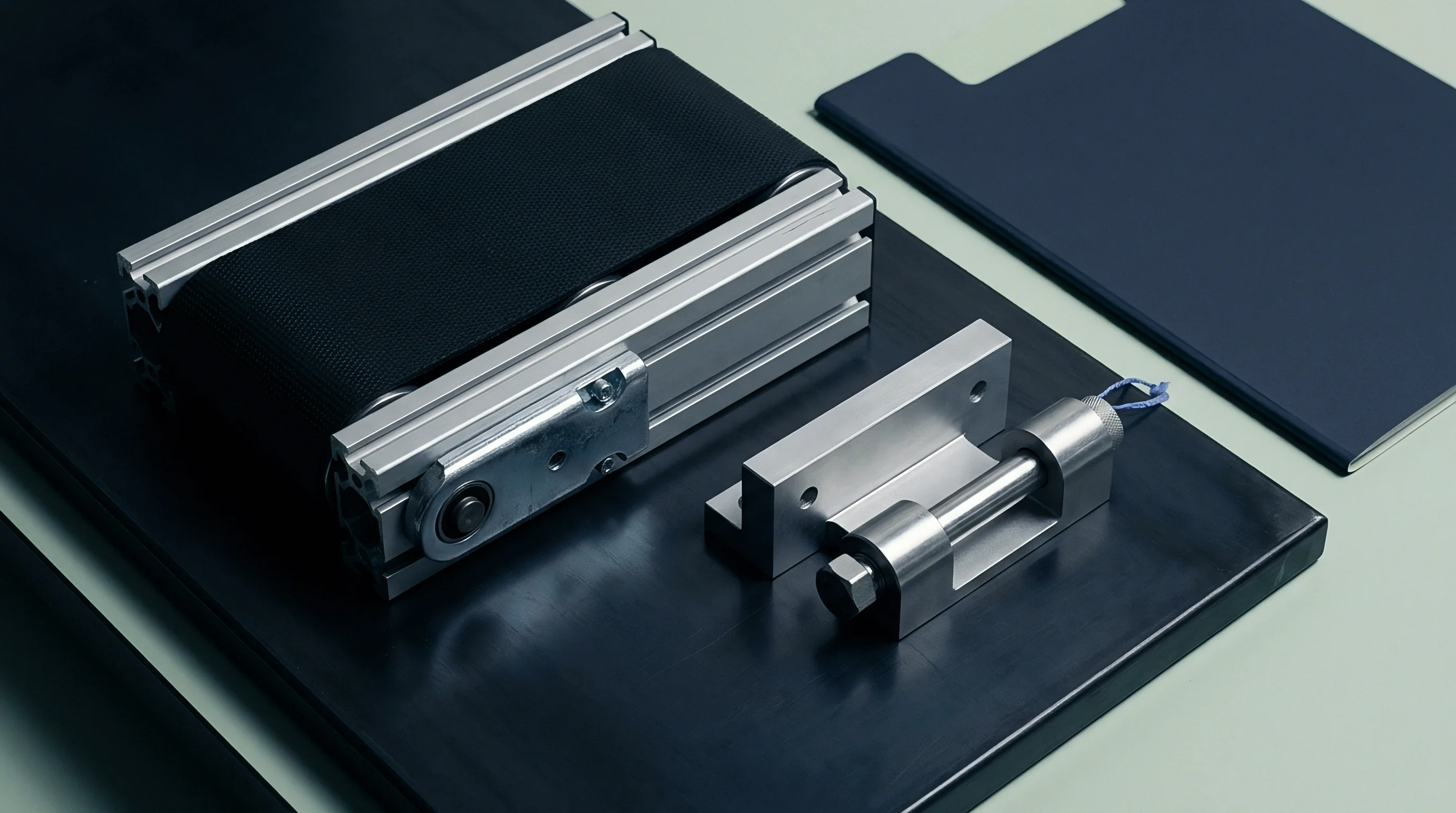
Mold
Injection tooling and stamping dies mounted inside PRC manufacturing facilities exist at the boundary between buyer personal property and factory fixtures. overseas brand owners commission custom tooling sets to manufacture proprietary components, assuming that clear legal contract wording guarantees instant retrieval upon factory distress. When insolvency strikes, physical reality overrides basic contractual intentions. Insolvency courts in industrial hubs like Dongguan, Ningbo, and Suzhou lock workshop doors immediately upon accepting bankruptcy filings under Article 10 of the PRC Enterprise Bankruptcy Law.
Assets inside the gate fall under the immediate control of a court-appointed administrator ( pochan guanli ren ). Tooling mounted directly into high-tonnage presses, connected to central chiller loops, or hardwired into plant automation systems gets recorded as factory operational infrastructure during initial site sealings.
The distinction between standalone equipment and integrated fixtures defines the initial legal battleground. Standalone tooling, such as modular cold-runner injection dies resting on warehouse racks, presents minimal physical integration. Integrated tooling, such as multi-cavity hot-runner molds tied into plant hydraulic manifold blocks or progressive stamping die beds set into press bed foundations, physically fuses with factory-owned capital equipment.
Administrators view integrated systems as integral functional units of the plant asset base. Dismantling an integrated tooling assembly often requires severing utility lines, removing machine tie-bars, or modifying the host press frame. This structural integration invites retention claims from both bankruptcy administrators seeking to sell the plant as a operating unit and secured creditors holding mortgages over entire production lines.
Under Article 38 of the PRC Enterprise Bankruptcy Law, asset replevin approval averages 114 days when physical serial numbers match invoice documentation exactly.
Physical Interdependence on Factory Machinery Lines
Stamping die sets and multi-cavity inserts frequently connect directly to plant hydraulic circuits, chillers, and automated gantry feeds. Custom core pullers, hot runner controller channels, and internal sensor arrays draw electrical power directly from host machine cabinets. Dismantling these assemblies alters the structural integrity or functional capability of the factory-owned host machinery.
Liquidators rely on this physical interdependence to deny preliminary retrieval requests. Under Article 447 of the PRC Civil Code, a commercial creditor maintaining legal possession of personal property under a valid contract holds a commercial retention right ( liuzhi quan ) for unpaid debts related to that property.
Insolvency administrators extend this logic by claiming that integrated tooling forms an inseparable part of the manufacturing line. Separating the die from the press reduces the liquidating value of the plant equipment itself. Overseas buyers attempting to assert ownership encounter immediate operational hurdles.
Factory managers lose authority the moment the court posts bankruptcy notices. Workshop doors stay chained. Rigging crews face rejection at the gate without formal written authorization signed by the administrator and stamped with the court bankruptcy seal.
- Hydraulic Tie-In Failures occur when custom die cylinders plumb directly into host machine manifold blocks without fast-disconnect couplings, allowing liquidators to claim functional damage during removal attempts.
- Integrated Control Cabinet Interfaces bind proprietary core-pulling software directly to plant programmable logic controllers, creating disputes over intellectual property extraction versus machine operation code.
- Custom Bolted Bed Plates welded directly to host press frames prevent clean mechanical separation without structural torch-cutting, invalidating simple replevin applications.
- Shared Auxiliary Infrastructure routes cooling fluids through non-standard plant manifold pipes, creating physical access arguments for court-appointed administrators during site audits.
Asset Inventory and Lockout Mechanics
Entry into bankruptcy proceedings by a Chinese manufacturing entity triggers immediate sealings by the designated court. Court marshals and appointed administrators conduct site inventory walks within forty-eight hours of petition approval. Unlabelled tools sitting on workshop floors enter bankruptcy filings as debtor assets by default.
The press sits idle. Administrators lack technical knowledge regarding mold ownership structures and apply broad tags to all hardware found inside the factory gates. Reversing an asset inventory classification demands formal administrative applications supported by certified Mandarin translations of initial tooling development contracts, bank remittance advice, and physical serial plate photographs taken prior to plant entry.
Factory superintendents routinely maintain that customized core inserts weld permanently to press platens during high-tonnage production, preventing independent equipment removal.


Title
Statutory replevin rights under Article 38 of the PRC Enterprise Bankruptcy Law depend on unambiguous proof that legal ownership never transferred to the insolvent manufacturer. An asset owner asserting a replevin right ( quhui quan ) must demonstrate that the debtor exercises physical possession without holding legal title. Establishing title requires a pristine documentary chain linking original design engineering specifications to physical assets on the factory floor.
Overseas buyers frequently rely on combined manufacturing and tooling agreements that lump die fabrication costs into finished component piece prices. This accounting consolidation undermines legal ownership claims in PRC courts, allowing liquidators to classify payments as advance operational deposits rather than capital equipment purchases.
PRC judges examine purchase contracts for clear language stating that title to tooling remains with the buyer throughout all production phases. Proof of full payment represents the second mandatory legal threshold. Partial payment schedules, unresolved engineering change order balances, or outstanding quality dispute holdbacks give administrators legal leverage under Article 447 of the PRC Civil Code to maintain a retention lien over the hardware.
Title documentation must establish that the debt associated with tooling fabrication has been settled completely prior to the bankruptcy filing date.
A tooling ownership clause lacking explicit serial plate mapping leaves buyer property subject to blanket factory asset freezes under PRC Civil Code Article 447.

Documentary Proof of Buyer Ownership
Bankruptcy administrators review purchase agreements, bank wire receipts, commercial invoices, and tax clearance documentation to verify asset ownership. Simple statements of ownership inside supply contracts fail without matching financial receipts. PRC cross-border financial regulations leave precise audit trails; every capital payment for overseas tooling entering China must match an official Value-Added Tax (VAT) invoice ( fapiao ) issued by the factory or a designated mold maker.
When payments flow through third-party sourcing agents or offshore trading entities without clear pass-through invoicing matching the factory ledger, administrators reject replevin applications.
Legal teams must present a complete evidentiary dossier to the court-appointed liquidator. This dossier requires four core elements executed in Mandarin and notarized by local authorities where the buyer resides. Missing elements delay judicial review and allow administrators to proceed with general factory valuation schedules.
- Bilingual Tooling Master Agreements defining explicit physical ownership transfer upon component acceptance, completely severed from finished piece-part purchase order terms.
- Itemized Bank Remittance Statements matching specific tooling purchase order numbers, cross-referenced against official Chinese bank foreign exchange settlement slips ( huihui dan ).
- Official Factory VAT Invoices specifically itemizing tooling development descriptions, tax registration numbers, and die set serial numbers.
- Bilingual Acceptance Certificates signed by factory quality managers and buyer engineers verifying final mold qualification and off-tool sample approval ( yanshou baogao ).

Physical Tagging and Serial Marking Standards
Engraving permanent identification codes directly onto die shoes and core plates provides objective evidence during court audits. Paper stickers, painted markings, or removable riveted tags fail during judicial site inspections. Factory administrators routinely discount temporary tags, arguing that site personnel attached them after insolvency filings to shield factory assets from creditors.
Title identification must be deeply steel-stamped onto non-wearing outer surfaces of the mold base. The serial designation must match the precise asset number cited in purchase agreements, commercial invoices, and export customs documentation.
Title never transferred. Physical markings engraved directly on die shoes resolve ownership disputes faster than unnotarized bill of lading documents during court audits.


Partition
Severability tests applied during factory insolvency determine whether target hardware can be unbolted without destroying surrounding plant equipment. PRC court practice separates assets into severable personal property and unseverable structural components. When a foreign buyer claims ownership of a die set mounted inside a machine owned by the bankrupt factory or mortgaged to a domestic commercial bank, the court orders a technical assessment.
If removing the tool causes irreversible mechanical damage, distorts machine frames, or destroys host electrical architecture, administrators declare the asset integrated. Integrated status forces the buyer out of simple replevin procedure and into complex bankruptcy negotiations over shared asset equity values.
Technical experts appointed by the court evaluate mechanical separation risks. Clean separation requires standardized mounting plates, independent hydraulic lines, external cooling manifold quick-disconnects, and standalone control modules. Molds that rely on custom-machined pocket recesses cut directly into host machine press platens fail severability tests.
The administrator objects. Buyers must prove that taking the tool leaves the host machinery intact and functional for subsequent liquidation auction.
The table below summarizes typical severability assessments conducted by court-appointed technical appraisal agencies ( sifa jianding jigou ) in PRC insolvency proceedings.
| Tooling Architecture Type | Physical Attachment Method | Severability Status | Judicial Replevin Success Rate |
|---|---|---|---|

Why Do Bankruptcy Administrators Reject Retention Liens on Custom Fixtures?
Court-appointed liquidators routinely argue that custom inserts, hot runner systems, and specialized wiring harnesses constitute integral parts of plant machinery under PRC Civil Code provisions. Administrators hold a statutory obligation under Enterprise Bankruptcy Law Article 25 to maximize total estate liquidation value for all creditors. Releasing core tooling components that render a 1,000-tonne injection press non-functional reduces the immediate auction value of that host press.
Liquidators argue that severing custom tooling strips commercial utility from factory equipment, converting high-value machinery into scrap metal.
To overcome this objection, buyers present independent technical engineering reports demonstrating that the host machine accepts standard industry tooling post-removal. Demonstrating that press platens retain standard T-slot bolt patterns and universal ejector pin arrangements neutralizes administrator arguments regarding machine destruction. The court agrees.
Demonstrating universal host machine utility preserves replevin rights while protecting liquidators from creditor lawsuits alleging improper asset devaluation.
Custom tooling embedded inside automated plant lines loses replevin priority once removal damages factory core machinery.
Courts have yet to establish whether real-time operational telemetry logs can serve as binding legal proof that integrated core components remain severable without reducing baseline machine equity.
Bench
Judicial decisions from PRC Intermediate People’s Courts show strict enforcement of statutory nexus conditions under Article 448 of the PRC Civil Code. The legal framework governing retention liens underwent significant refinement with the release of the Supreme People’s Court 2019 National Courts’ Civil and Commercial Trial Work Conference Minutes ( jiu min jiyao ). Article 71 of the 2019 Minutes clarifies commercial retention rights between business entities ( qiye zhi jian liuzhi quan ).
While commercial entities generally enjoy broader retention rights than individual civil parties, the underlying debt must still connect directly to the property held, unless both parties are enterprise entities entering transactions in their ordinary commercial scope without clear contractual waivers.
When an insolvent factory owes money to sub-tier suppliers, workers, or utility companies, administrators often attempt to hold buyer tooling hostage to force buyer settlement of unrelated plant debts. Intermediate courts consistently reject these broad administrative liens when buyers establish independent title and complete payment for the specific tooling in question. The statutory debt nexus ( tongyi falv guanxi ) fails if the factory attempts to retain Tooling A to cover unpaid manufacturing invoices for Component B, provided the original supply agreement contained distinct line items and separate purchase orders for each asset.

Statutory Debt Nexus under Civil Code Article 448
Commercial retention rights require that the underlying debt arise directly from the specific property held by the creditor. When a Chinese factory attempts to retain buyer tooling, the legal validity hinges on debt identity. If the factory holds $30,000 in unpaid component manufacturing invoices but the buyer has paid the $100,000 tooling purchase order in full, no direct debt nexus exists against the physical die set.
The lien fails. PRC courts reject factory retention claims over fully-paid tooling when component production debts stem from separate commercial purchase orders.
Factory management teams frequently attempt to recharacterize component pricing structures during insolvency, claiming that piece prices were discounted under an implicit agreement that tooling would remain on site for a multi-year term. PRC judges reject oral statements and unexecuted draft agreements regarding amortized tooling economics. Judicial review relies strictly on written contracts, formal bank receipts, and tax records filed with state authorities.
- Direct Tooling Fabrication Debts validate factory retention claims under Article 447 when the buyer holds outstanding unpaid balances on initial mold build purchase orders.
- Unrelated Component Production Balances fail to establish a legal retention nexus over fully paid tooling assets under Supreme People’s Court Article 71 guidance.
- Tooling Storage and Maintenance Fees create a valid statutory retention lien only if explicit storage fees were stipulated in signed written addendums prior to insolvency filings.
- Amortized Tooling Recovery Claims are rejected by PRC courts unless contract clauses define exact per-unit amortization schedules and default payment acceleration terms.

Priority Disputes between Mortgagees and Foreign Asset Owners
Bank creditors holding registered chattel mortgages over entire factory workshop equipment often clash with foreign buyers claiming replevin of custom tooling. Under Article 395 and Article 396 of the PRC Civil Code, a enterprise may execute a floating mortgage ( fudong diya ) over current and future manufacturing equipment, raw materials, and finished inventory. Bank floating mortgages registered with the People’s Bank of China Credit Reference Center ( zhengxin zhongxin ) create blanket encumbrances over plant property.
The bank dissents. When insolvency occurs, bank liquidators claim that all tooling mounted inside the workshop falls under the registered floating mortgage.
Foreign asset owners prevail in priority disputes against mortgage banks under two conditions. First, the buyer must prove that tooling title never transferred to the debtor, preventing the factory from validly granting a security interest over property it never owned under Civil Code Article 311. Second, the buyer must establish that the tooling was physically identifiable and tagged prior to the creation and registration of the bank mortgage.
Failure to establish these facts leaves buyer tooling exposed to bank liquidation enforcement actions.
Improper assertion of replevin without preliminary evidence preservation allows bankruptcy administrators to bundle buyer tooling into auction lots, permanently transferring title to local liquidation buyers.

Ledger
Financial calculations surrounding asset recovery during PRC insolvency proceedings compare direct buyouts against complete replacement production runs. Extracting tooling from an insolvent factory incurs immediate legal fees, administrator administrative surcharges, notary charges, rigger dispatch expenses, and potential debt settlement costs. A simple write-off and re-tooling strategy eliminates immediate Chinese litigation costs but introduces substantial supply chain disruption, lead time delays, and qualification expense.
Distance increases risk. Decision matrices balance the landed cost of asset recovery against the total lost gross margin during down-time windows.
Take a 500-ton plastic injection facility under court liquidation in Ningbo, holding a four-cavity hot-runner mold set valued at $150,000. Assume an unpaid manufacturing invoice balance of $42,000 claimed by the factory, alongside an administrator settlement demand of $18,000 to cover plant storage, facility security, and technical appraisal fees. The buyer faces a choice between negotiated asset recovery, judicial replevin litigation, or complete write-off with secondary tooling fabrication in Vietnam or Taiwan.
The table below provides a detailed cost breakdown comparing recovery paths for this $150,000 custom tooling set under court liquidation conditions.
| Cost Component / Operational Variable | Negotiated Administrator Buyout | Judicial Replevin Litigation | Complete Tooling Re-Fabrication |
|---|---|---|---|
| Total Landed Financial Impact | $77,600 | $172,500 | $350,000 |

Financial Exposure in Administrator Release Negotiations
Cash outlays required to extract high-value production equipment from locked manufacturing plants fall into four clear accounting categories. Administrators operate under strict liability to preserve estate assets and charge maintenance, security, and utility allocations directly to asset claimants. Cash controls speed.
Negotiating asset release requires buyers to fund security deposits into escrow accounts held by the court or administrator prior to site entry. These deposits guarantee compensation if dismantling operations damage surrounding factory property.
Legal expenditures escalate rapidly during litigated replevin proceedings. Engaging local PRC legal counsel experienced in corporate insolvency matters in provincial intermediate courts requires baseline retainers starting at $15,000. Technical evidence preservation conducted by Chinese notary public offices ( gongzheng chusuo ) adds fixed costs per day of floor documentation.
Delaying action increases security fees as administrators pass monthly factory lease and guard expenses onto remaining tooling claimants.
Comparative Cost Analysis of Recovery Paths
Decision trees for overseas buyers balance immediate cash settlements against long-lead replacement tooling fabrication. The financial logic follows a sequential evaluation protocol run by legal and procurement teams prior to committing funds to administrator negotiations.
- Establish Baseline Valuation by auditing original purchase orders, remaining tool life cycles, replacement lead times, and current component inventory buffer stocks.
- Conduct Physical Verification using local notary teams to confirm die set integrity, operational condition, and serial plate presence inside the sealed factory.
- Calculate Direct Settlement Exposure by determining administrator fees, outstanding vendor liens, legal costs, and immediate rigging logistics expenses.
- Quantify Down-Time Margin Loss by multiplying daily lost product gross margin by expected lead time delays across buyout, litigation, and re-fabrication scenarios.
- Execute Selected Recovery Path by executing formal court deposit agreements or issuing new tooling purchase orders to alternative qualified mold suppliers.
Bankruptcy administrators treat unlabelled dies as factory property until judicial rulings compel asset segregation.
Inserting an explicit severance indemnity clause specifying daily liquidated damages for unauthorized administrator retention forces Chinese insolvency courts to release custom tooling prior to main asset liquidation.

Recovery
Operational execution on the ground requires methodical legal filing, notary preservation, site access clearance, and specialized rigging logistics. The site remains locked. Once an insolvency petition receives formal court acceptance, arbitrary physical entries or unauthorized asset removals constitute illegal property conversion under PRC criminal law.
Foreign buyers must execute recovery protocols strictly through sanctioned judicial mechanisms. Securing asset release involves coordinate efforts between local legal counsel, notary officials, third-party rigging contractors, and the court-appointed administrator.
Preparation begins before factory insolvency reaches legal courts. Maintaining up-to-date asset registers, annual physical audits, and permanent serial plates cuts recovery timelines significantly. When factory distress signs appear, such as missed payroll, sudden supplier protests at gates, or unexpected drops in component output quality, buyers must dispatch technical auditors immediately to verify tooling locations and capture high-resolution photographic evidence before court marshals seal the facility.

Notarization and Evidence Preservation Rhythms
Local notary officials ( gongzheng yuan ) accompany technical teams to capture video footage and record machine serial numbers on the factory floor. PRC civil court procedures place exceptional weight on notarized evidence preserved in situ before formal legal filings. The notary public executes a formal Certificate of Evidence Preservation ( gongzheng shu ), detailing the precise mechanical state, location, and serial markings of the tooling set.
This certificate carries ironclad evidentiary weight in court hearings, neutralizing administrator claims that tooling details were fabricated post-insolvency.
Time drives cost. Securing notary site visits during active bankruptcy sealings requires formal court permission petitions signed by assigned judges. Legal counsel files urgent evidence preservation applications ( zhengju baoquan ) under Article 81 of the PRC Civil Procedure Law.
This filing prevents administrators from moving, dismantling, or modifying the tooling during initial estate valuation cycles.

Contractual Safeguards and Site Extraction Protocol
Drafted supply agreements must explicitly separate tooling ownership from component unit pricing while granting unconditional site access rights upon default. Contracts must mandate that factories execute separate bailment agreements ( baoguan hetong ) for every mold set placed on their premises. A bailment contract explicitly states that the factory acts purely as a custodian holding hardware for manufacturing services, retaining zero ownership rights and waiving all general commercial retention rights under Article 447 of the PRC Civil Code.
When physical extraction begins post-approval, the buyer dispatches specialized industrial riggers holding comprehensive insurance coverage. The team arrives with approved engineering mechanical separation plans stamped by certified PRC equipment engineers. Rigging crews complete hydraulic disconnection, secure core plates with transit straps, and haul the die set directly to a neutral logistics facility for immediate export clearance.