Identifying Organic Contaminants in Sub Tier Castings Using FTIR Fingerprinting
Attenuated total reflectance FTIR identifies organic parting agents on raw castings before expensive coating processes fail on customer lines.
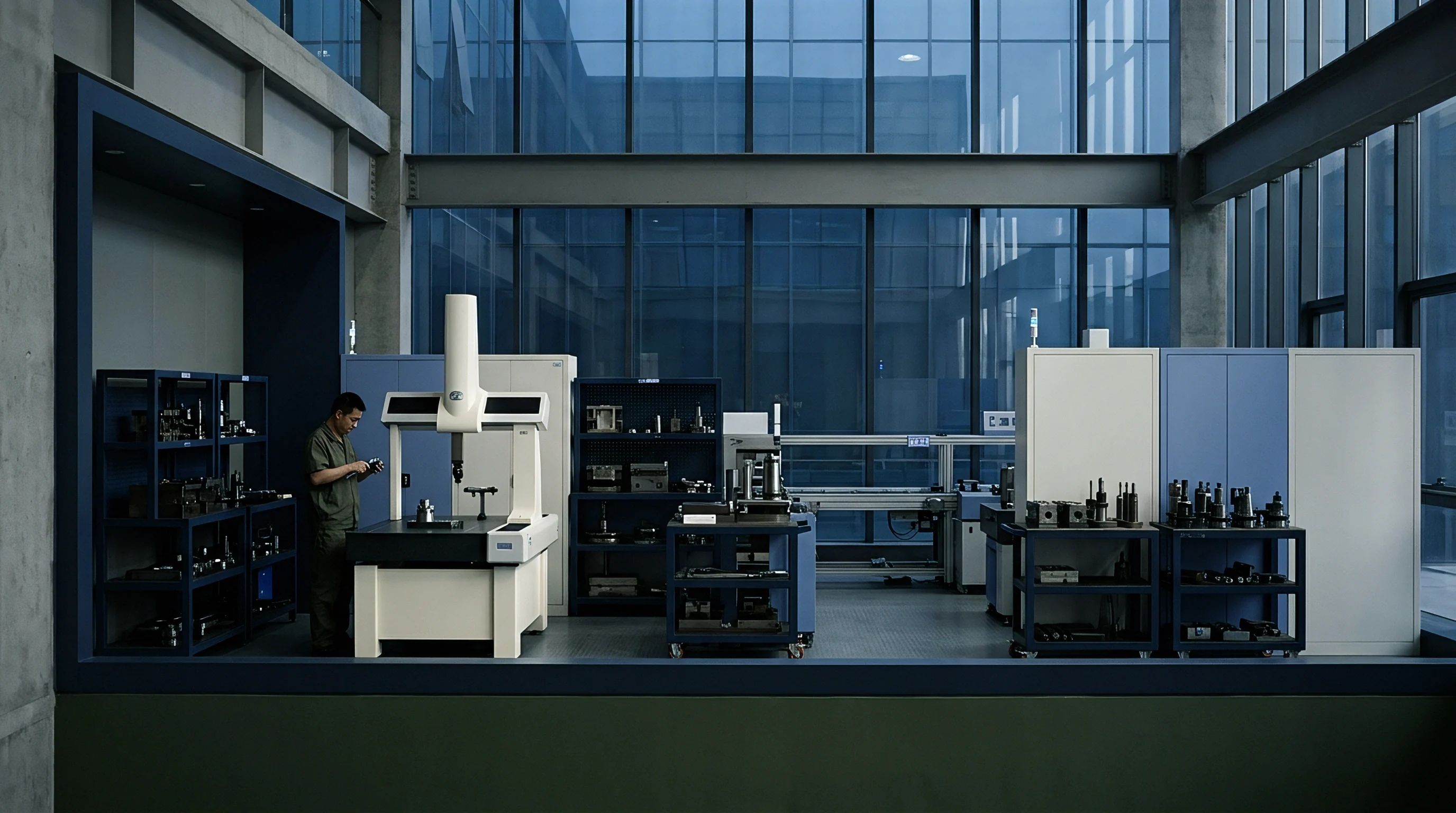
Swab
Grease marks and oily sheens on zinc or aluminum die castings indicate poorly atomized release fluids clinging to the cooling metal. Sub-tier casting workshops in industrial corridors frequently dilute heavy hydraulic oils or graphite emulsions with unapproved carrier solvents to extend tool longevity across ageing tooling dies. When high-pressure die machinery injects molten alloy at four hundred degrees Celsius, volatile components flash off instantly, leaving polymerized organic residues baked into surface pores and grain boundaries.
Downstream finishing lines subsequently suffer catastrophic paint peeling, bubbling e-coat, and fractured structural adhesive bonds. Attenuated total reflectance Fourier transform infrared spectroscopy, designated ATR-FTIR, identifies these organic species by measuring diagnostic infrared absorption bands directly from surface swabs or solvent rinses. The lot stays quarantined.

Pocket Contamination across Sub Tier Die Operations
Deep fastener recesses in high-pressure die castings trap excessive parting fluids when automated spray nozzles lose directional calibration. Foundry line workers regularly apply manual spray wands to stubborn tool cavities, depositing uneven layers of silicone fluids and synthetic ester waxes. These heavy pools fail to evaporate during the three-second dwell interval before die closure.
Trapped organics carbonize partially under casting pressure, forming tenacious films that resist standard alkaline aqueous wash stages. Tooling wear masks the residue.
Field swabbing provides the primary physical collection technique for isolating surface contaminants prior to machining and finishing. The sampling protocol utilizes pre-extracted polyester swabs wetted with high-purity dichloromethane or spectroscopic grade hexane. Technicians rub the swab across a defined ten-square-centimeter casting boundary, focusing on ejector pin witness marks and parting lines where fluid accumulation peaks.
Unwashed surfaces ruin powder adhesion.
Secondary foundries switch parting lubricants during unannounced shifts to preserve die life without informing the Tier-1 buyer.
The organic compounds recovered from raw castings originate across five distinct manufacturing inputs:
- Plunger lubricants deposit heavy petroleum bright stocks and synthetic polyglycols into shot sleeves during metal injection.
- Die release emulsions introduce polydimethylsiloxane oils and ethoxylated fatty acids across complex cavity ribs.
- Hydraulic cylinder leaks saturate casting surfaces with fire-resistant polyol esters and anti-wear zinc dialkyldithiophosphates.
- Quench tank additives coat freshly ejected parts with surfactant films and biocidal amine compounds.
- Corrosion preventive oils seal raw components during open-bed trucking between sub-tier foundries and finishing plants.

Secondary Processing Risks from Parting Fluids
Powder coat primers bubble and peel across areas where hydrophobic films prevent the phosphate conversion layer from bonding to the substrate. Siloxane chains reduce surface energy below twenty-eight dynes per centimeter, inhibiting liquid paint wetting and powder cross-linking during thermal curing. In anodizing operations, organic contaminants act as dielectric masks, causing uneven electrical current density, patchy oxide layer thickness, and mottled coloration.
Adhesion drops to zero.
Automotive structural adhesives applied over uncleaned casting areas lose up to seventy percent of their lap-shear strength under environmental aging tests. Moisture wicks along the contaminated interfacial plane, initiating adhesive debonding under tensile loads well below engineering ratings. Unidentified mold lubricants entering the pretreatment line strip entire production shifts of powder-coated brackets down to bare metal at the buyer’s direct expense.


Solvent
Spectroscopic identification begins by stripping organic films from the raw metal surface into an analytical wash fluid. Direct transmission testing requires dissolving the contaminant without leaching metal oxides or inducing chemical alteration of the organic functional groups. Dichloromethane dissolves cross-linked siloxanes and mineral waxes within three minutes of contact at room temperature.
Hexane isolates non-polar hydrocarbon oils, leaving polar foundry additives undisturbed for selective isolation. Solvent selection determines yield.

Desorption Protocols for Cast Aluminum Cavities
Laboratory technicians rinse the component cavities with high-purity chromatographic grade liquids to lift insoluble hydrocarbons. Ultrasonic bath immersion accelerates dissolution from deep microscopic crevices and cold-shut fissures that entrap grease. The agitation frequency runs at forty kilohertz for eight minutes inside sealed glass beakers.
Clean solvent leaves zero absorption. Desorption yields decline with porosity.
- Submersion in solvent baths isolates surface-bound organics from structural voids through ultrasonic energy.
- Extract filtration removes particulate aluminum fines and iron grit through zero-point-two micron PTFE membrane discs.
- Rotary evaporation concentration drives off volatile carrier fluids at forty degrees Celsius under reduced pressure.
- Residue transfer applies concentrated extracts onto potassium bromide crystals or diamond reflection plates.
A twenty-minute Soxhlet rinse using dichloromethane recovers ninety-four percent of polymerized siloxane residues from porous die-cast surfaces.
The table below establishes quantitative recovery benchmarks for common foundry casting contaminants using standard extraction fluids.
| Chemical Compound Class | Extraction Liquid | Wash Duration Minutes | Extraction Efficiency Percent | Boiling Point Celsius |
|---|---|---|---|---|
| Polydimethylsiloxane (350 cSt) | Dichloromethane | 5 | 96.2 | 39.8 |
| Polyalkylene Glycol (PAG) | Methanol | 10 | 91.5 | 64.7 |
| Heavy Paraffinic Mineral Oil | n-Hexane | 5 | 98.1 | 68.7 |
| Pentaerythritol Ester Grease | Acetone | 8 | 89.4 | 56.1 |
| Fatty Acid Amide Release Wax | Tetrahydrofuran | 12 | 85.7 | 66.0 |
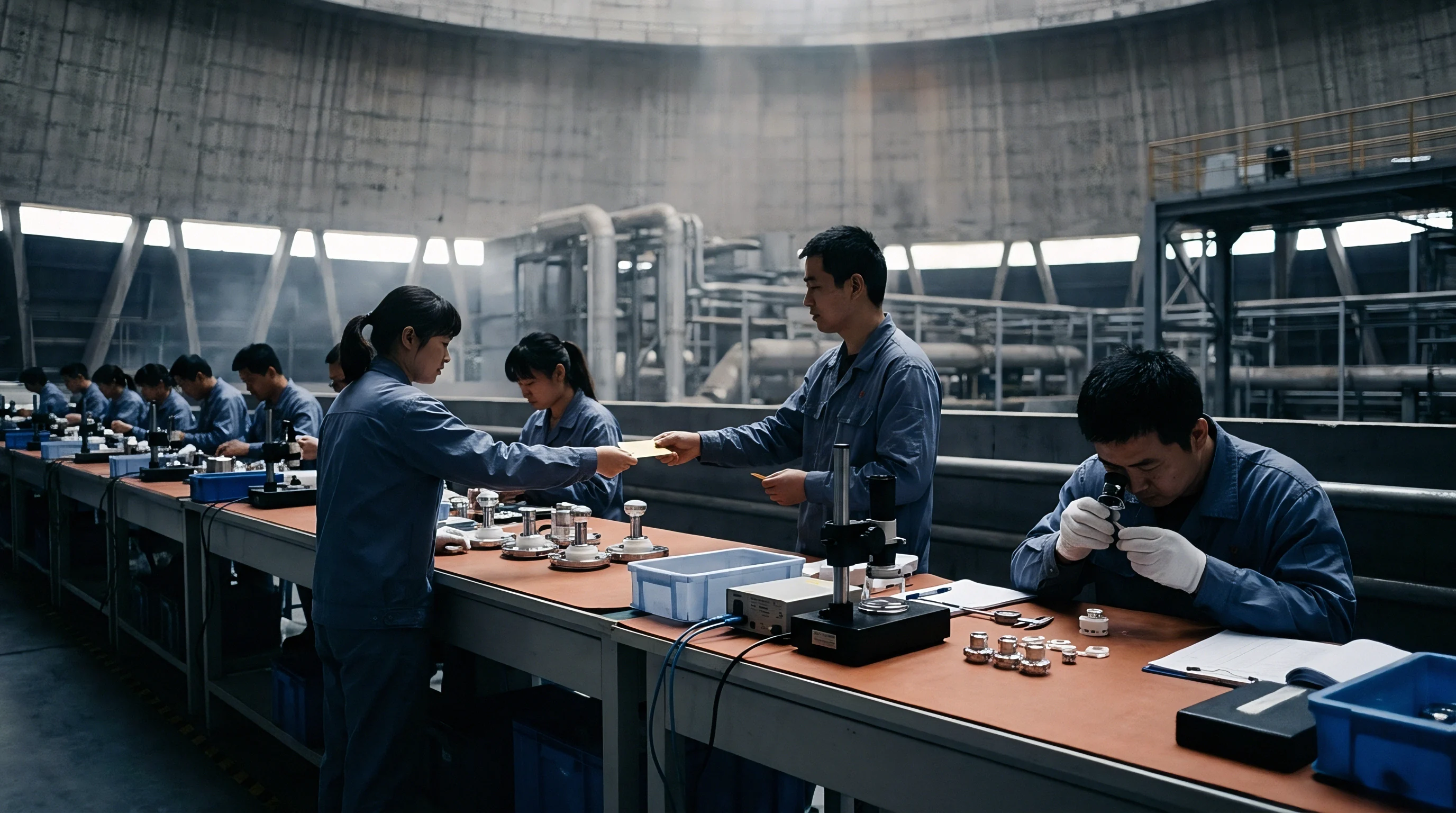
Evaporation and Crystal Preparation Steps
Technicians concentrate the liquid extract under a dry nitrogen stream before placing drops on the attenuated total reflectance crystal. Direct evaporation on a zinc selenide or diamond prism creates a uniform thin film between one and five microns thick. Excessive film thickness causes total attenuation of the infrared beam, flattening characteristic peaks and distorting transmission calculations.
The ultrasonic bath runs cold. The sub-tier workshop director maintained that the dark pooling in the deep structural ribs was ordinary vegetable oil wash meant to evaporate inside the annealing oven.


Library
Reference data collections enable exact matching between unknown shop-floor residues and certified chemical products. An infrared absorption trace generates an exact functional group signature based on vibrational transitions of covalent bonds when irradiated with infrared light between four thousand and four hundred reciprocal centimeters. By overlaying the absorbance traces of factory-supplied safety data sheets against lot extracts, quality engineers pinpoint unapproved fluid additions made during casting shifts.
Baseline drift invalidates the scan.
ASTM E1252 dictates solvent transmission cell optical paths, invalidating spectral claims when baseline drift exceeds two percent transmittance.
Transmission troughs and absorption peaks reflect distinct molecular bond movements under mechanical deflection. The instrument records thirty-two interferogram scans per specimen at four reciprocal centimeter resolution to average out background thermal noise. Background scans eliminate atmospheric moisture.
| Functional Chemical Group | Absorption Wavenumber cm⁻¹ | Vibrational Mode | Suspect Foundry Material Source |
|---|---|---|---|
| Aliphatic C-H stretch | 2924 and 2853 | Asymmetric and symmetric stretching | Mineral oils, hydraulic fluids |
| Ester carbonyl C=O | 1742 | Carbonyl valence stretch | Synthetic ester waxes, vegetable release agents |
| Carboxylic acid C=O | 1710 | Dimerized carbonyl stretch | Thermally degraded die parting emulsions |
| Silicon-methyl Si-CH₃ | 1260 | Symmetric bending vibration | Polydimethylsiloxane die release fluids |
| Siloxane backbone Si-O-Si | 1085 and 1018 | Asymmetric stretching doublet | Silicone parting oils and anti-foaming agents |
| Amide carbonyl C=O | 1645 | Amide I stretching band | Anti-seize casting ejector pin grease |
| Aromatic ring C=C | 1602 and 1495 | Skeletal ring vibration | Recycled quenching oils, hydraulic fluids |

Hydrocarbon and Ester Wavelength Signatures
Mineral oil lubricants show intense absorption bands at twenty-nine twenty-two and twenty-eight fifty-two reciprocal centimeters from carbon-hydrogen stretching. When sub-tier plants cut approved die sprays with cheap kerosene or used motor oils, sharp carbon-hydrogen bending signatures emerge at fourteen sixty-three and thirteen seventy-seven reciprocal centimeters. Ester-based synthetic parting fluids reveal intense carbonyl stretching near seventeen forty-two reciprocal centimeters accompanied by carbon-oxygen ester single bond vibrations between eleven fifty and twelve hundred reciprocal centimeters.
The chromatogram confirms the ester.

Silicon Parting Compounds under Infrared Reflection
Die release emulsions containing polydimethylsiloxane reveal distinct diagnostic peaks at twelve sixty reciprocal centimeters from methyl-silicon rocking. The siloxane oxygen-silicon-oxygen backbone displays an unmistakable broad doublet split between ten eighty-five and ten eighteen reciprocal centimeters. Organic silicones adhere tenaciously to aluminum oxide substrates through dipolar interaction, surviving standard aqueous washers operating at sixty degrees Celsius.
Silicone oils migrate into pores.
Authentication of contaminant origin relies on matching raw absorbance profiles against a controlled technical checklist:
- Peak position correlation matches specimen absorption bands against virgin chemical reference libraries within two reciprocal centimeters.
- Intensity ratio cross-checking compares the ratio of carbonyl to aliphatic peaks to identify lubricant oxidation levels.
- Fingerprint region alignment verifies unique skeletal vibrations between twelve hundred and seven hundred reciprocal centimeters.
- Spectral subtraction verification removes background aluminum oxide and atmospheric carbon dioxide interference patterns.
Inserting ASTM E168 calibration requirements directly into the raw purchase specification forces the foundry laboratory to retain reference standards for every approved lubricant chemistry.


Scrap
Quarantined pallets of transmission housings accumulate rapidly once surface delamination appears in downstream paint facilities. Powder coating rejection rates jump from zero-point-two percent to twenty-two percent when sub-tier foundries switch die release fluids without process re-validation. Machining operations compound financial losses because cutting tools drag oil films across freshly milled gasket faces, ruining seal integrity.
The coater rejects the skid.
Tool release oils migrate toward the cooler interior of deep casting pockets where ultrasonic agitation fails to displace them.
Consider an unverified lot of twenty thousand high-pressure die-cast motor housings delivered to a Tier-1 modular assembly facility. Downstream powder coating blisters across the structural perimeter during two-hundred-degree curing bake cycles. Blisters appear after baking.
- Incoming shipment lot size equals twenty thousand raw cast components.
- Quarantine inspection sampling pulls eighty castings for solvent wipe ATR-FTIR scanning.
- Infrared contamination detection identifies sixty-eight of eighty samples carrying siloxane traces exceeding zero-point-five micrograms per square centimeter.
- Direct component processing yield collapses to twelve percent across the entire production lot.

Root Cause Verification in Anodizing Defect Clusters
Blistering along decorative faceplates tracks back to water-soluble synthetic lubricants burned into the aluminum oxide matrix. Thermal degradation during casting injection splits polyalkylene glycols into low-molecular-weight aldehydes and organic acids. These acidic byproducts etch raw aluminum grains, creating localized micro-pits that trap non-conductive salts.
Subsequent anodizing baths cannot form a coherent barrier oxide inside the pitted sites. Paint adhesion drops to zero.
FTIR analysis of blistered surfaces differentiates between furnace gas blistering and parting agent inclusions. Gas blisters show clean metallic voids free of carbon, whereas parting lubricant pockets display clear carbon-hydrogen and silicon-oxygen absorption signatures within the void cavity. Scrap rates remain elevated until cleaning tanks undergo total bath replacement and bath chemical replenishment.
Surface tension drops immediately.

Allocation Models for Foundry Rework Expenses
Commercial accounting protocols split decontamination expenses across Tier-1 assemblers and raw casting shops according to verifiable log entries. The direct expense of chemical thermal stripping reaches four dollars and twenty cents per casting, excluding round-trip freight to specialty cleaning contractors. Scrapping fully machined housings generates thirty-five dollars of unrecoverable loss per piece in wasted CNC cycle time and aluminum scrap loss deductions.
| Cost Category Description | Expense per Part USD | Total Lot Exposure USD | Liable Commercial Party |
|---|---|---|---|
| Solvent extraction and FTIR lab analysis | 0.15 | 3,000 | Sub-tier die casting foundry |
| Thermal chemical paint stripping | 4.20 | 84,000 | Sub-tier die casting foundry |
| Secondary aqueous ultrasonic degreasing | 1.10 | 22,000 | Sub-tier die casting foundry |
| Wasted CNC machining cycle labor | 12.50 | 250,000 | Tier-1 precision machining facility |
| Re-coating and curing line oven time | 3.80 | 76,000 | Tier-1 coating co-contractor |
| Total contaminated lot expense | 21.75 | 435,000 | Joint supply chain settlement |
| Assumes twenty thousand cast housings processed through Tier-1 machining before paint failure discovery. | |||
Foundry metallurgical engineers continue to debate whether micro-cracking beneath heavy wash areas stems from thermal shock during die spraying or chemical attack by acidic lubricant breakdown products.

Deduction
Commercial settlements for contaminated cast components require undisputed laboratory paperwork before accounting departments process financial offsets. Sourcing directors protect production budgets by offsetting verified contamination rework expenses against open foundry purchase orders. When an independent accredited laboratory correlates coating failures with specific silicone traces through ATR-FTIR fingerprint overlays, the casting shop loses commercial standing to dispute the debit note.
The debit note settles it.

Contract Remedies for Hidden Chemical Flaws
Purchase agreements impose direct debits against outstanding tooling invoices whenever third-party laboratories identify unapproved parting fluids. Supply agreements governing sub-tier foundries must- incorporate chemical cleanability thresholds alongside dimensional drawings. Contracts set the actionable contamination limit at zero-point-one micrograms of silicone or ester wax per square centimeter of cast area.
The foundry absorbed the penalty.
Supply terms penalize unauthorized chemical substitution by shifting all containment and sorting labor costs onto the tier-two supplier. Buyers preserve financial leverage by maintaining a rolling ten percent commercial holdback on raw casting billings throughout the first ninety days of production ramp. Once infrared spectroscopy reveals unapproved parting compounds, the buyer applies the retainage balance directly to cover production line decontamination.
Machining coolant leaves identical residues.

Reclaiming Costs from Unapproved Parting Chemicals
Downstream paint operations pass stripping and recoating expenses upstream through formalized quality rejection notices. Chargeback documentation bundles the FTIR absorption trace, the certified chemical baseline of the approved die lubricant, and shipping manifests for scrapped parts. Casting suppliers accept financial deductions when spectral matches demonstrate identical absorption ratios between workshop wash barrels and contaminated parts.
When grease marks appear on machined pilot holes, charge the washing line for the entire batch rather than arguing over individual part contamination.