Meaning
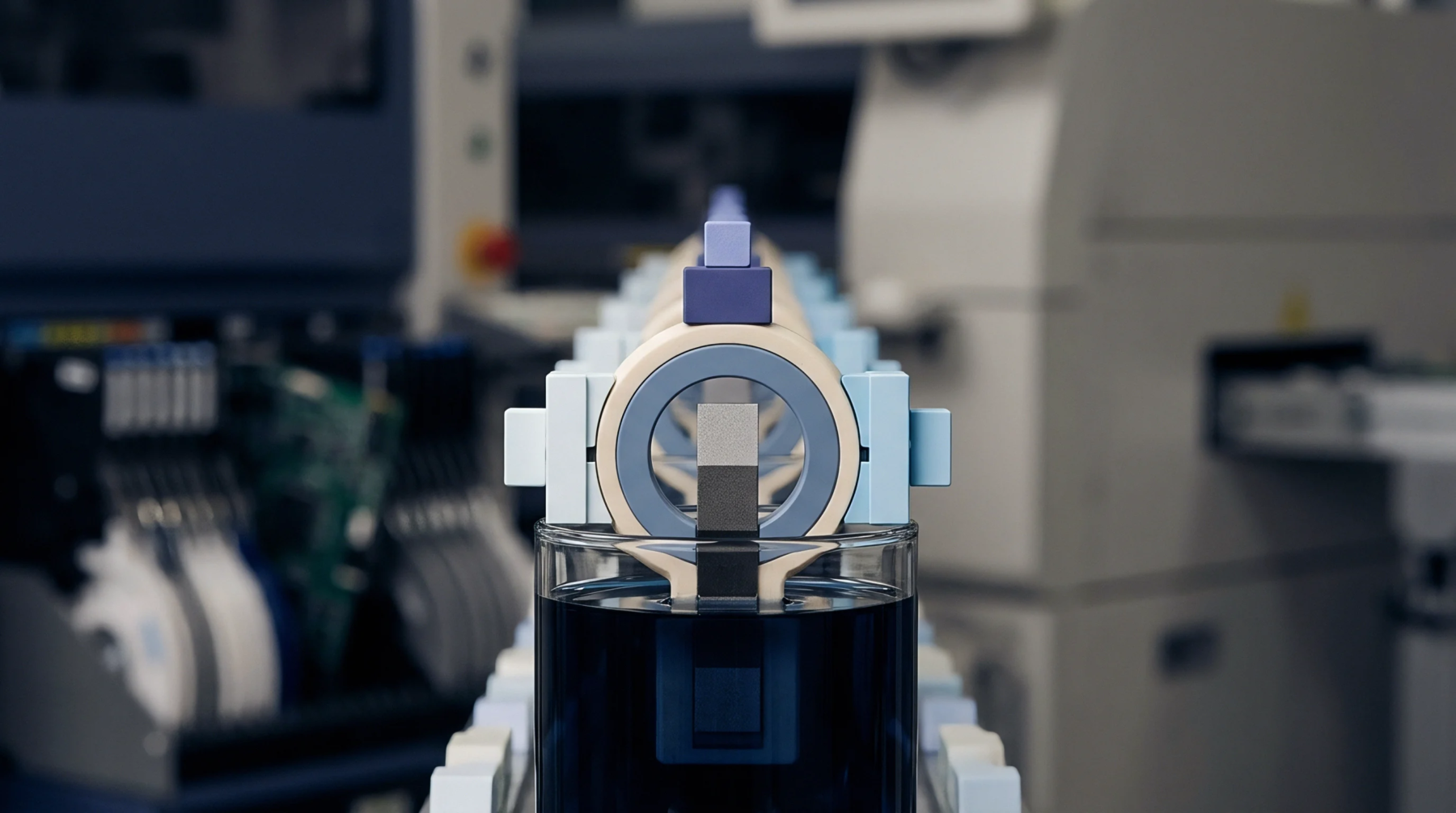
Platinum-rhodium noble metal temperature sensor measures elevated temperatures up to sixteen hundred degrees Celsius by generating a standardized thermoelectric voltage according to international temperature scale specifications. High-temperature furnace operators working under State Administration for Market Regulation metrology directives install type s thermocouple assemblies to control heat treatment cycles in aerospace component manufacturing. The positive thermoelement consists of ninety percent platinum and ten percent rhodium alloy paired against a pure platinum negative leg.
Temperature Calibration
Thermoelectric voltage outputs follow established electromotive force tables defined in national metrological standards. High chemical stability in oxidizing atmospheres allows continuous operation at elevated industrial processing temperatures. Ceramic protection sheaths shield noble metal wires from vapor contamination inside vacuum furnace chambers.
Precise temperature monitoring ensures thermal uniformities within strict tolerance limits required for heat treatment of critical alloy parts.
Verification Protocol
Metrology laboratories accredited by the China National Accreditation Service for Conformity Assessment execute mandatory periodic recalibration routines using fixed freezing point references. Industrial quality regulations require factories to maintain traceably calibrated temperature sensors across all licensed production furnaces. Inspection officers inspect calibration records and drift logs during annual quality supervision audits.
Non-conforming sensor outputs require immediate removal from service and formal replacement documentation. Certified calibration certificates must accompany equipment records to maintain compliance with national manufacturing standards.
Drift Limit
Thermal degradation and rhodium diffusion across the measuring junction cause calibration drift during prolonged high-temperature exposure. EMF output voltage deviations exceeding statutory metrological tolerance bands render temperature readings non-compliant. Calibration failure forces mandatory furnace recalibration and thermal processing batch re-testing.