Meaning
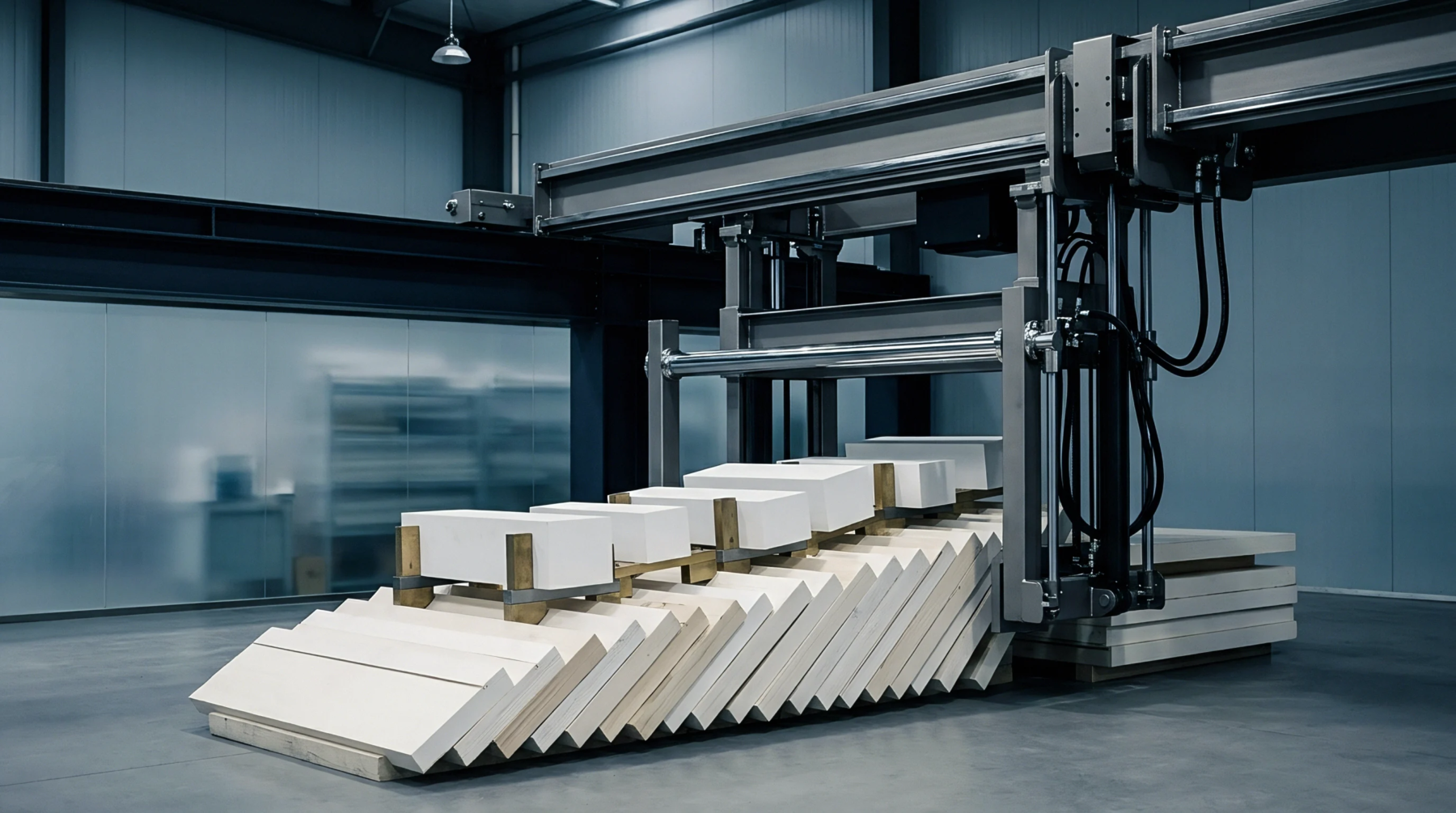
Accounting method that spreads the initial costs of preparing a production line over the total number of units produced. This setup amortization helps manufacturers determine the actual cost per unit for custom orders. It ensures that fixed expenses like mold creation or tool calibration are recovered.
Financial Standard
Accounting practices for foreign-invested enterprises in China follow the China Accounting Standards for Business Enterprises. Use of setup amortization allows for more competitive pricing on high-volume runs. The initial investment is capitalized and then recognized as an expense throughout the production lifecycle.
Cost Allocation
Buyers often negotiate how these front-end charges appear on the final invoice. A setup amortization schedule clarifies whether the buyer owns the tooling after the production run ends. In many cases, the factory retains the equipment but guarantees its availability for future orders.
Jurisdictional Limit
Tax authorities examine these allocations to ensure they reflect genuine operational expenses. If setup amortization is used to shift profits between different tax jurisdictions, the enterprise faces audits from the State Taxation Administration. Proper documentation of the initial engineering hours and material costs is required to support the claim, and inspectors may cross-reference these figures with the physical assets found during a site visit.
Verification of the useful life of the asset is mandatory for compliance with provincial tax codes.