Meaning
Highest thermal level reached by an electronic assembly as it passes through a soldering oven. The reflow peak temperature must be high enough to melt the solder paste and wet the components but low enough to avoid damaging the circuit board. It is the most critical parameter in a thermal profile for surface mount technology.
Thermal Limit
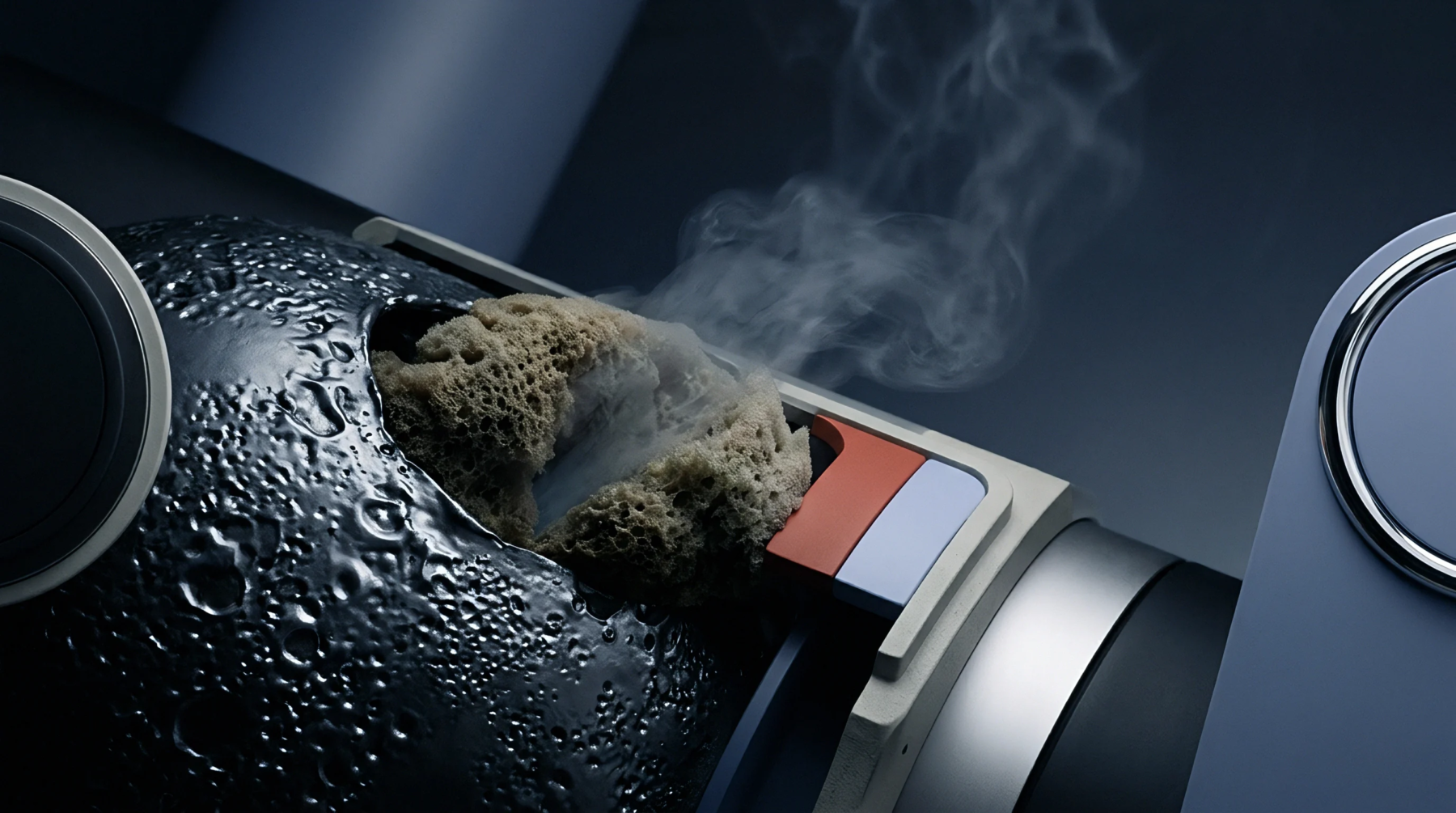
Semiconductor packages have a maximum heat tolerance defined by their moisture sensitivity level. If the reflow peak temperature exceeds this limit, the moisture trapped inside the plastic can expand and cause the package to crack or delaminate. This internal damage may not be visible to the naked eye.
Component Tolerance
Different parts on the same board have different thermal masses. Large connectors and small resistors heat up at different rates, making it difficult to maintain a uniform reflow peak temperature across the entire surface. Engineers use thermocouples to measure these variations and ensure every joint reaches the required heat.
Profile Management
Lead-free alloys like sac305 require a higher heat than older lead-based solders. A typical reflow peak temperature for these alloys falls between 235 and 250 degrees celsius. Staying within this narrow window ensures a reliable metallurgical bond without compromising the integrity of the delicate electronic components.