Meaning
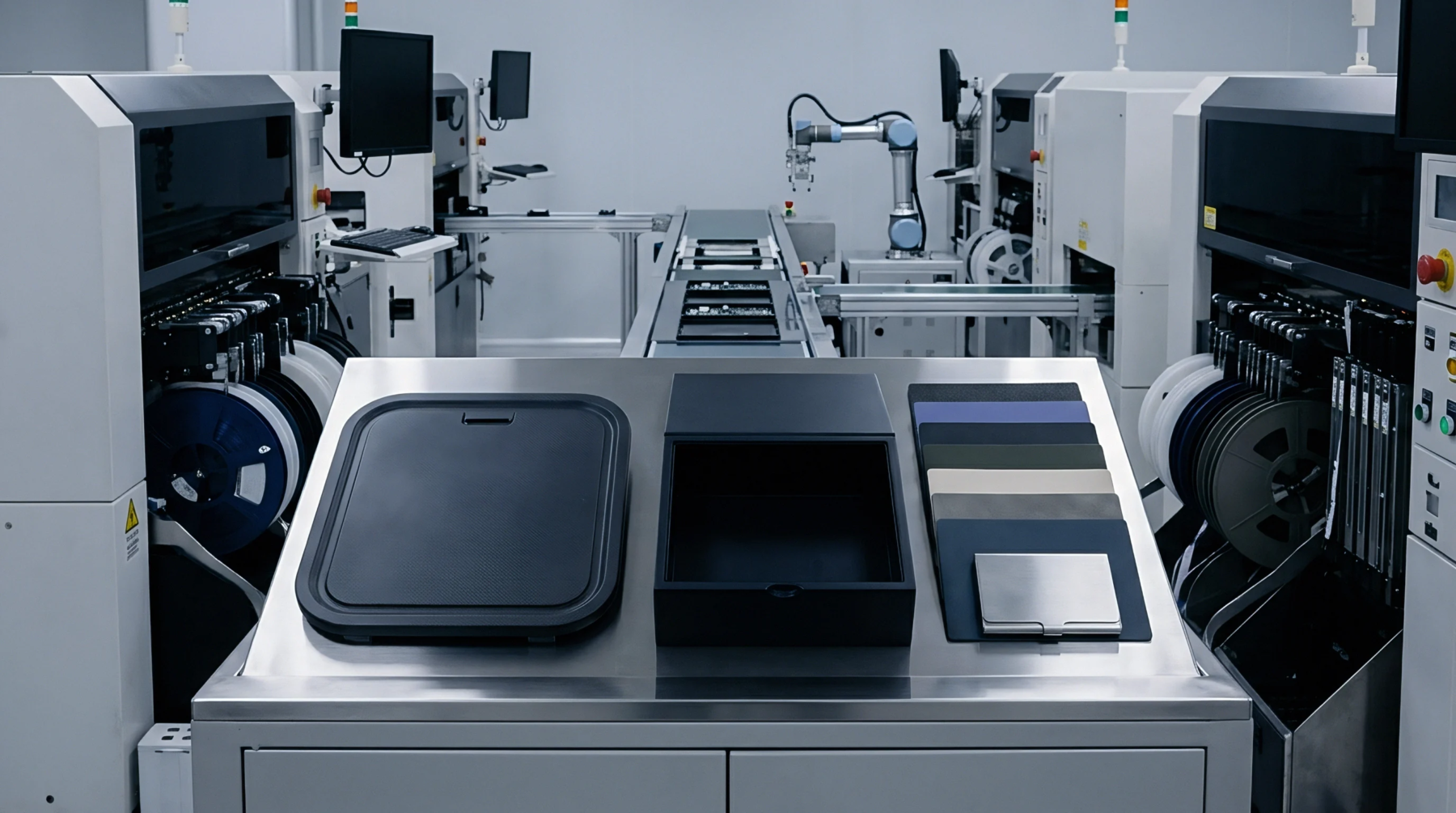
Organizational units composed of specific machinery and labor personnel represent the fundamental building blocks of a factory layout. Organizing production work centers around specific functional capabilities like milling or assembly enables efficient material flow. This arrangement allows managers to track the cost and throughput of distinct manufacturing phases independently.
Capacity Management
Measuring the maximum output of a station involves calculating the cycle time for every operation and the availability of the assigned equipment. Managers must account for planned maintenance when determining if production work centers can meet the targets set by the annual plan.
Resource Allocation
Deployment of labor and raw materials to specific shop areas depends on the priority of active work orders and the skills of the available staff. When production work centers are understaffed, the factory may face bottlenecks that delay the completion of high value export contracts. The allocation of electricity and compressed air to these zones is also monitored to manage overhead costs.
Facility Oversight
Environmental regulations in China require that manufacturing zones stay within defined limits for noise and airborne particulate matter. Because production work centers generate the majority of industrial waste, they are the primary focus of audits by the Ministry of Ecology and Environment.