Meaning
A thermal treatment process applied to electroplated metallic layers relieves internal residual stresses and promotes grain growth within the deposit. Conducting a post-plating anneal is standard procedure for electronic components to prevent the spontaneous growth of metallic whiskers that cause short circuits. The heating step is carried out at temperatures below the melting point of either the substrate or the coating to avoid structural damage.
The process ensures that the plated metal attains a stable crystalline structure before the parts undergo assembly or environmental testing.
Stress Relief
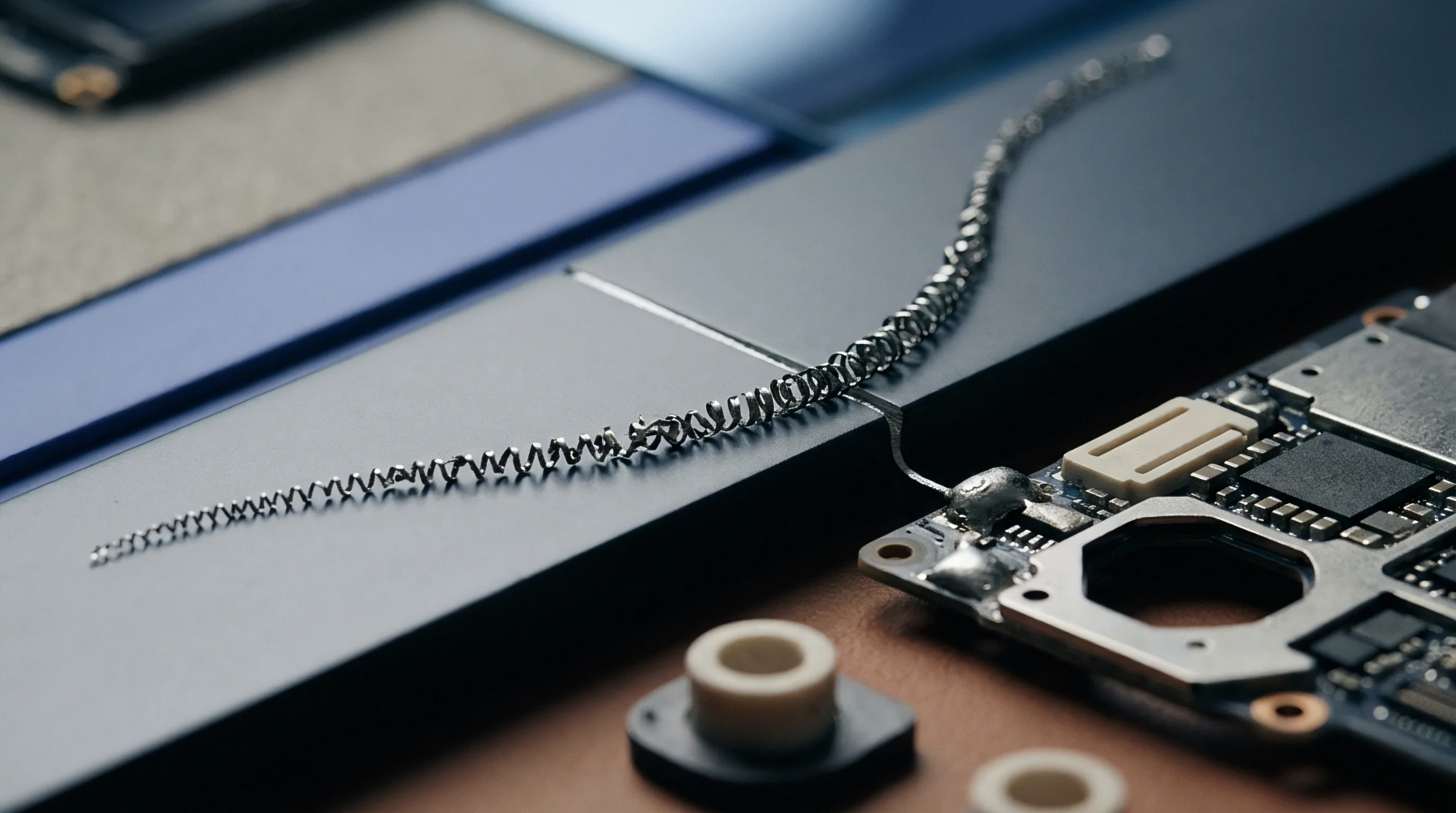
Electroplating processes naturally introduce high tensile or compressive stress into the deposited metal layer due to lattice mismatches and chemical codeposition. The post-plating anneal provides the thermal energy necessary for recrystallization, which reduces the mechanical stress in the plated layer. Eliminating high stress is crucial for prevent tin or zinc whisker formation, which can bridge circuit traces and destroy electronic assemblies over time.
Process engineers monitor both the duration and the temperature of the thermal cycle to ensure the stress levels fall within the specified compliance limits.
Hydrogen Desorption
Acidic electroplating solutions often cause hydrogen atoms to diffuse into the high-strength steel or copper substrate, causing hydrogen embrittlement. A post-plating anneal drives these trapped hydrogen molecules out of the metal lattice, restoring the ductility and toughness of the plated component. The baking process must begin shortly after the plating cycle is completed to prevent the initiation of subcritical cracks under residual tension.
Standard procedures require holding the plated components at high temperature for several hours to guarantee complete hydrogen removal.
Reliability Risk
Unannealed plating layers are susceptible to cracking, peeling, or delamination when exposed to thermal cycling during subsequent soldering or assembly. The absence of a post-plating anneal can result in premature component failure under operational loads, which can trigger product recalls or warranty claims. Quality inspections involve checking the cross-sectional grain structure of the plated metal to confirm that the grain size has expanded and stabilized as expected.
Consistent application of this thermal treatment ensures that the mechanical and electrical properties of the electroplated layer remain stable over the entire life of the finished product. The baking process represents a key safeguard against structural failures in high-vibration applications such as automotive or aerospace systems, where mechanical integrity under continuous stress is required.