Meaning
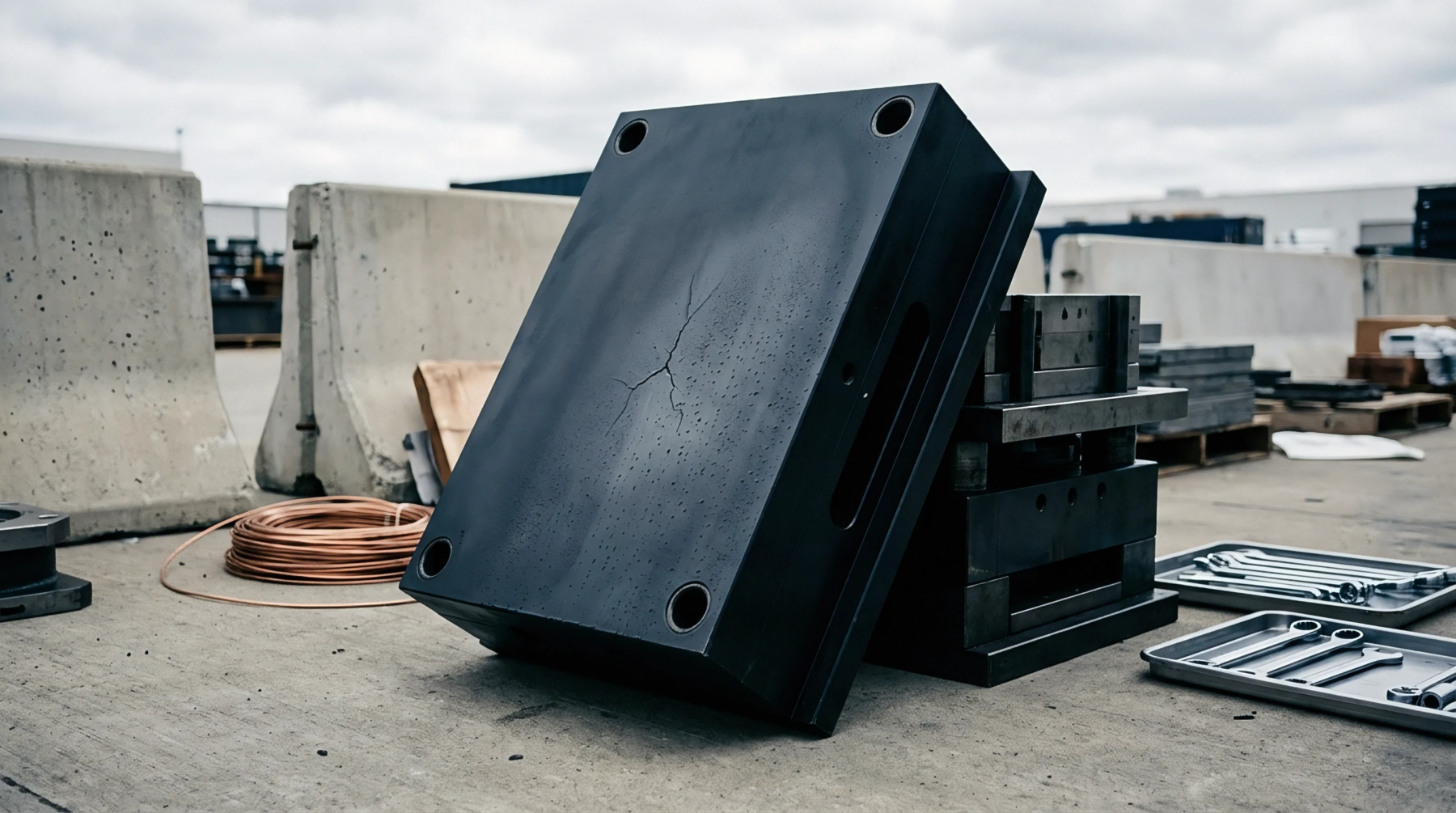
Legal arrangements for the safekeeping of disputed property occur when a court takes possession of assets to prevent their destruction or removal during a lawsuit. This judicial bailment ensures that the subject matter of the litigation remains available for the eventual satisfaction of a judgment. It applies to physical goods, documents, machinery, or data that are central to the case.
The court may hold the items directly or appoint a professional warehouse or custodian to manage them.
Custodial Duty
The appointed party must exercise a high standard of care to maintain the condition and value of the assets under their control. In a judicial bailment, the custodian is prohibited from using the property for personal gain or allowing third parties to access it without a court order. They must keep detailed records of the storage conditions and any maintenance performed.
Failure to preserve the property leads to significant legal penalties and the potential for a separate claim for damages. These duties remain in effect until the court issues a formal release order.
Storage Regulation
Courts often delegate the physical storage of bulky industrial equipment or perishable inventory to specialized logistics providers. These entities must be registered with the court and meet specific security and insurance requirements for a judicial bailment to be valid. The costs of storage are typically advanced by the party requesting the seizure, with the final burden usually falling on the losing party.
This arrangement prevents the court from needing its own warehouses for every type of commercial asset.
Liability Transfer
Risks associated with the accidental loss or damage to the property shift to the custodian upon the formal handover of the goods. While the judicial bailment is in effect, the original owner loses the right to dispose of the asset or use it as collateral. If the custodian acts with gross negligence, the court can revoke their status and hold them liable for the full replacement cost.
This transfer of responsibility protects the integrity of the judicial process by ensuring that the physical evidence or security remains intact.