Resolving Cross-Border Judicial Asset Preservation and Evidentiary Tracing for Fragmented Production Tooling
Preserving fragmented production tooling in China requires serial RFID registration notarized on-site before applying for court preservation orders.

Situs
Production contracts in high-volume injection molding, metal stamping, and precision casting frequently involve primary suppliers delegating sub-assembly or component manufacturing to secondary facilities without formal buyer approval. When commercial disputes interrupt order delivery, custom die blocks, core inserts, and specialized assembly jigs remain scattered across lower-tier machine shops throughout industrial hubs in Guangdong, Zhejiang, and Jiangsu provinces. Recovering these capital assets through judicial channels requires establishing verified physical location and unassailable chain-of-title before initiating legal proceedings.
Paper tracks prove worthless without physical presence. Primary contract manufacturers often issue tooling location declarations that specify a main assembly plant, while the physical steel actually sits in an unregistered grinding shop forty kilometers away. Physical verification requires field audits that map serial numbers directly to workshop equipment beds.
Foreign buyers who rely solely on inventory ledgers discover during litigation that court bailiffs cannot seize assets whose physical location is unverified on the filing date.
Subcontractor Workshop Identification
Field intelligence teams locate unmapped production machinery by tracking secondary material dispatches, utility consumption spikes, and sub-tier shipping waybills. Subcontracting arrangements often remain undocumented in primary purchase orders, leaving the physical machinery vulnerable to possessory claims by secondary shop managers who have not received payment from the primary contractor. Identifying the exact bay and facility where a die sets is the prerequisite for any PRC civil filing.
Unmarked tools invite dispute. Secondary machine shops often co-mingle customer-owned tool steel with domestic production components, making visual distinction difficult for visiting legal representatives. Establishing physical situs demands documenting the machine frame, bolster plate dimensions, serial stampings, and surrounding auxiliary units including hot runner controllers and temp-control units.
| Tracking Technology | Operating Temperature Limit | Tamper Resistance Level | Evidentiary Admissibility in PRC Courts |
|---|---|---|---|
| Deep Mechanical Engraving | 1200°C | High (Requires destructive grinding) | Direct visual proof accepted by enforcement officers |
| High-Temp Encapsulated RFID | 300°C | Moderate (Can be unseated from pocket) | Corroborative proof requiring scanned log matching |
| Fiber Laser Matrix Marking | 900°C | High (Surface grinding leaves sub-surface alter) | High forensic authority via magnification analysis |
| Tamper-Evident Ceramic Seal | 500°C | Low (Fractures under physical impact) | Conclusive proof of unauthorized housing removal |

Serialization and Physical Marking Standards
Tooling documentation must link directly to deep mechanical markings stamped onto the non-working surfaces of the mold base. Engravings must record the master supply agreement reference number, asset ownership tags, and unique alphanumeric serial identifiers depth-milled to at least 0.5 millimeters into the steel substrate. Surface stickers, paint marks, or removable plates fail to satisfy the evidentiary threshold required by PRC courts when separating buyer-owned property from subcontractor inventory.
Asset preservation strategies fail when ownership markings lack explicit language written in simplified Chinese characters. Stamping ownership declarations solely in English allows opposing parties to claim ambiguity regarding title transfers. Stamping permanent text identifying the foreign enterprise name alongside the local operating entity establishes clear visual title during third-party audits and judicial visits.
Securing judicial possession of die plates provides zero commercial value if key core pins and hot runner controller units remain locked inside an uncooperative subcontractor facility.
- Deep Mechanical Engraving cuts permanent alphanumeric codes directly into P20 or H13 tool steel blocks to resist surface grinding attempts.
- Sub-Tier Asset Mapping records exact GPS coordinates, bay locations, and press assignments across secondary processor operations.
- Component Level Serialization applies matching laser codes to core pins, cavity blocks, slide assemblies, and ejector plates.
- Dual-Language Ownership Plates fixes riveted steel nameplates carrying simplified Chinese statutory text directly to the mold base housing.
Primary contract partners typically respond to location verification requests by claiming that moving the tool block to an off-site polishing shop was necessary to maintain manufacturing schedules, while omitting the sub-tier pledge agreement that holds the asset as collateral for unpaid machining invoices.
Notary
Preserving physical evidence before filing a lawsuit in China requires formal on-site notarization under the PRC Notarization Law. Civil courts in eastern manufacturing jurisdictions prioritize notarized evidence over unverified corporate inspection logs or internal photo records. A notary public from the local jurisdiction must physically attend the target facility, observe the asset in its working environment, and compile a formal notary dossier (gōngzhèngshū) that establishes asset existence, serial identity, and operational state.
Notarization seals the record. Without a notarized site report, primary contractors or secondary machine shops can easily move tool blocks, swap out high-value beryllium-copper inserts, or claim the machinery was scrapped prior to dispute initiation. The notary public acts as an impartial judicial officer whose sealed documentation creates a rebuttable presumption of fact in subsequent civil court proceedings.
Evidentiary Chain of Custody Documentation
Building a dossier capable of surviving judicial challenge requires meticulous preparation before the notary public enters the workshop floor. The party seeking preservation must present proof of underlying ownership, such as stamped mold purchase contracts, wire transfer receipts matching tooling milestone payments, detailed technical design drawings, and bill-of-materials declarations. The notary cross-checks these legal instruments against the physical machinery present on the floor.
Discrepancies in serial numbers or component dimensions invalidate the notary dossier during trial. If a purchase contract references a single-cavity mold base but field observation reveals a four-cavity configuration modified by the vendor, the notary records the discrepancy, which defense counsel will leverage to dispute buyer title. Technical specifications in legal contracts must precisely reflect physical modifications performed on the shop floor.
Inclusion of explicit judicial jurisdiction clauses naming the local court where tooling physically resides reduces filing delays from sixty days to four business days.
| Evidentiary Channel | Lead Time to Secure | Procedural Cost (RMB) | Evidentiary Weight in Court |
|---|---|---|---|
| Notary Public Site Inspection (Gōngzhèng) | 2 to 5 Days | 8,000 – 25,000 | Very High (Statutory presumption of authenticity) |
| Pre-Litigation Judicial Evidence Preservation | 5 to 15 Days | 15,000 – 50,000 | Absolute (Direct court record executed by bailiffs) |
| Third-Party Commercial Inspection Audit | 1 to 3 Days | 3,000 – 8,000 | Moderate (Requires witness testimony in court) |
| Unassisted Internal Corporate Photo Records | Immediate | Negligible | Low (Easily challenged as manipulated digital files) |
Notarial Observation on Factory Floors
Executing an effective on-site notarization requires coordinating with local legal counsel, technical engineers, and licensed photography teams. The notary public witnesses the photographing and video recording of the mold base, cooling lines, hydraulic connections, electrical interface boxes, and controller cabinets. The resulting notary dossier incorporates these high-resolution media files, sealed with the notary office’s red ink stamp and cryptographic thread binding.
Speed dictates legal outcome. If the supplier suspects an impending notarization visit, access to the workshop may be denied under the guise of proprietary safety regulations or environmental inspections. Counsel must secure contractual right-of-entry clauses in the master tooling agreement to prevent factory management from legally barring the notary team from entering the premises.
Inserting a standard right-of-entry clause into the initial tooling bailment contract gives court-appointed evidence agents and public notary officers immediate access to secondary supplier facilities without needing an advance third-party trespass injunction.
Freeze
Securing a pre-litigation judicial asset preservation order (sūqián cái产 bǎoquán) under Article 104 of the PRC Civil Procedure Law represents the most decisive mechanism for securing fragmented production tooling. Once granted, the local People’s Court dispatches court enforcement bailiffs to apply physical paper seals (fēngtiáo) to the tool blocks, preventing their operation, alteration, or relocation. This legal freeze strips the supplier of operational control over the capital asset while substantive litigation unfolds.
Bailiffs arrive unannounced. Court enforcement teams prioritize preservation applications that demonstrate imminent risk of asset dissipation or destruction. Applicants must post a substantial counter-guarantee (fǎn dànbǎo) to cover potential losses suffered by the respondent should the court later determine the preservation order was wrongfully issued.
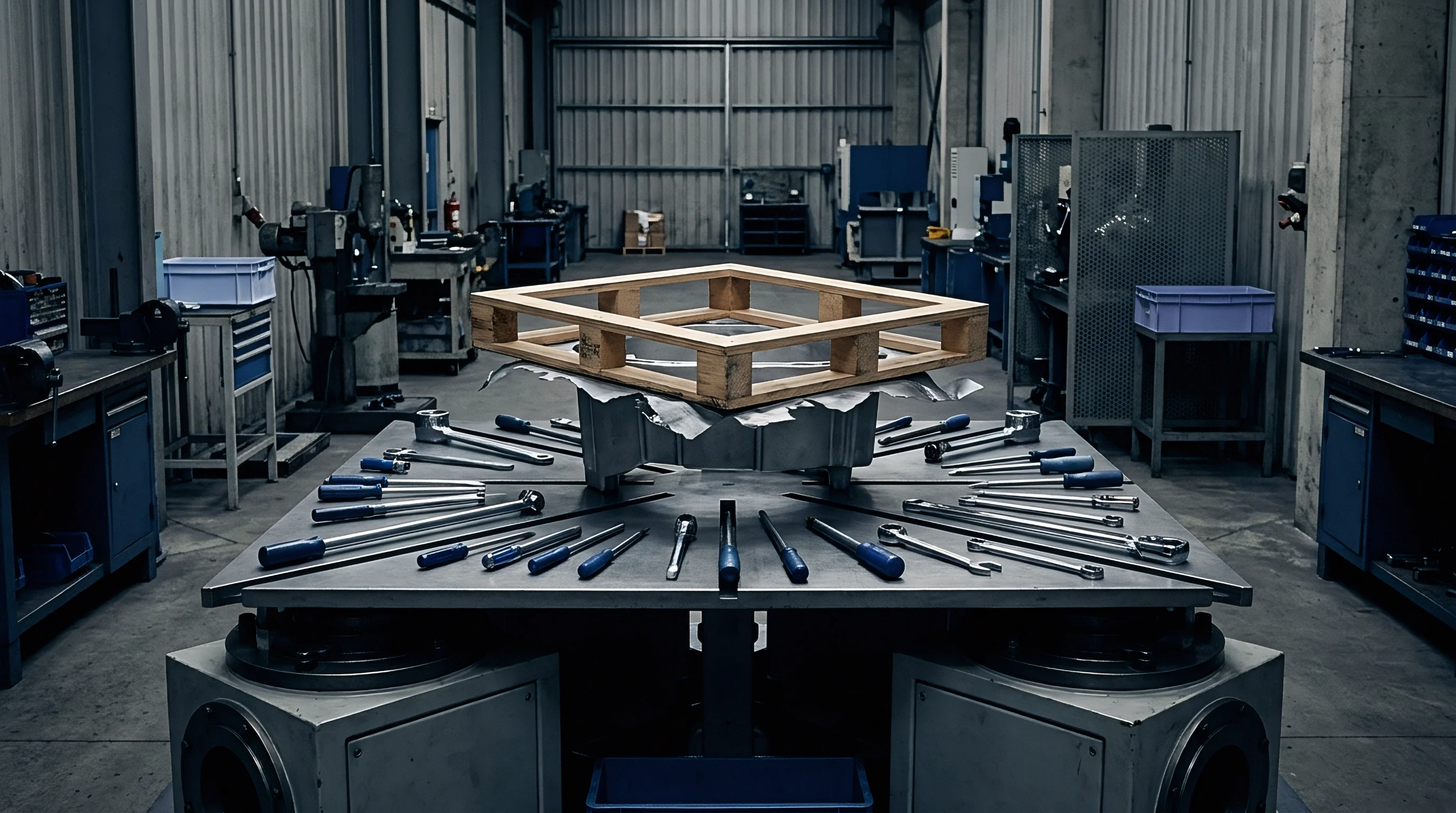
What Triggers Immediate Court Action under Civil Procedure?
Courts grant urgent preservation requests when the applicant demonstrates that an asset is actively being dismantled, sold for scrap, or moved beyond the court’s geographical jurisdiction. Submitting sworn affidavits from logistics drivers, notarized communications showing threats of asset disposal, or time-stamped video evidence of machinery unbolted from production lines establishes the requisite emergency threshold. The court must rule on urgent pre-litigation applications within forty-eight hours of formal submission.
Securing a court order requires precise valuation metrics. The counter-guarantee bond typically equals thirty to one hundred percent of the declared asset value if provided in cash, or a smaller premium if underwritten by an approved Chinese litigation preservation guarantee insurer (sūsòng bǎoquán bǎoxiǎn).
- Compile the complete notarized asset dossier including purchase contracts, wire transfer receipts, technical drawings, and site inspection records.
- Obtain a litigation preservation insurance guarantee policy from an approved PRC insurer to cover the court counter-guarantee requirement.
- Submit the formal pre-litigation asset preservation application to the basic-level People’s Court holding geographical jurisdiction over the target workshop.
- Accompany the court enforcement bailiffs to the target facility to direct physical identification and oversee the application of official judicial seals.

Bond Metrics and Counter Guarantee Calculations
Calculating the financial exposure involved in filing a judicial freeze requires analyzing both collateral options and insurance premium rates. Consider a high-precision multi-cavity automotive injection mold set valued at RMB 4,800,000 located at a secondary tier supplier in Ningbo. Cash counter-guarantee bonds require depositing the full RMB 4,800,000 into the court escrow account, tying up operational capital for twelve to eighteen months.
Litigation preservation insurance offers a far more liquid alternative. PRC litigation insurers charge an annual premium ranging between 0.15% and 0.5% of the total asset value, depending on the strength of the legal claim and the quality of the notarized evidence. For the RMB 4,800,000 injection mold set, an insurance policy premium equals approximately RMB 14,400 to RMB 24,000, eliminating the need for large cash deposits.
Cash bonds clear fast. However, courts accept insurance guarantees from recognized commercial carriers within two business days, preserving corporate liquidity while securing identical enforcement force on the factory floor.
Underestimating the required counter-guarantee bond value forces the court clerk to reject emergency filings, granting defaulting workshops sufficient time to relocate critical cavity inserts beyond judicial reach.

Lien
Subcontractors frequently assert possessory liens (liúzhìquán) under Article 447 of the PRC Civil Code when primary contract manufacturers default on processing bills. Secondary machine shops holding physical die sets refuse asset release, claiming statutory rights to retain customer-owned tooling until outstanding sub-tier manufacturing debts are settled in full. Resolving these overlapping commercial claims requires disentangling primary debt liabilities from buyer asset ownership.
Subcontractors fight asset removal. Under PRC law, a possessory lien attaches legally only if the asset owner is the direct debtor, or if the subcontractor acted in good faith without knowledge that the tooling belonged to a third-party foreign buyer. Demonstrating that the secondary shop had explicit prior notice of buyer title defeats the subcontractor’s claim of good faith possession.
Subcontractor Possessory Rights under Civil Law
Statutory lien rights grant workshops powerful leverage over component buyers. Secondary facilities can legally hold equipment until courts arbitrate the debt, shutting down component production streams for months. Overcoming a possessory lien requires proving that the debt claimed by the subcontractor arises from an unrelated contract, or that the subcontractor knew the primary vendor lacked authority to pledge or encumber the machinery.
Storage fees escalate rapidly. Secondary processors often add inflated warehouse and maintenance charges to the underlying claim, attempting to force foreign asset owners into accepting inflated cash settlements. Legal teams must challenge these accessory charges by presenting documented evidence of processing rates agreed within regional industry standards.

Contractual Countermeasures for Tool Retention
Preventing sub-tier lien attachment requires structuring master tooling agreements to include explicit title reservation terms and mandatory subcontractor notification provisions. Foreign buyers must require primary vendors to obtain signed title-acknowledgment receipts from every sub-tier machining facility before transferring molds off-site. These signed acknowledgments state clearly that the equipment remains exclusive buyer property and cannot be subjected to liens or security interests.
Judicial preservation measures succeed only when court bailiffs locate physical die sets before sub-tier manufacturers dismantle mold inserts or disperse component plates.
- Explicit Title Reservation Provisions explicitly retain sole ownership of all tooling, dies, and fixtures regardless of payment disputes with primary vendors.
- Mandatory Sub-Tier Disclosures demand written notification and signed title receipts from secondary workshops before equipment moves off the main site.
- Direct Payment Intervention Rights grant buyers legal authorization to pay sub-tier processing fees directly to secondary shops to clear valid operational liens.
- Prohibited Encumbrance Covenants strictly forbid primary contractors from pledging customer assets as debt collateral or security bonds.
Whether intermediate appellate courts across eastern provincial jurisdictions will consistently enforce foreign cross-border title retention terms against secondary subcontractors who received tooling without express knowledge of the master contract remains unresolved.

Transit
Executing physical equipment recovery following a successful court preservation order requires heavy machinery logistics planning and secure transportation protocols. Court enforcement officers supervise asset unbolting, packing, and loading, but the buyer remains financially and logistically responsible for providing specialized riggers, crane trucks, and transport logistics. Extracting delicate multi-cavity tooling without causing mechanical damage demands detailed technical oversight during removal.
Logistics delays destroy margins. Moving heavy tool steel off an uncooperative supplier’s floor requires bringing certified riggers equipped with specialized lifting eyes, hydraulic gantries, and air-ride transport vehicles. Relying on the defaulting supplier’s internal crane operators or rigging equipment introduces severe operational risks, including intentional dropping or misaligned lifting that damages critical parting lines.

Physical Extraction and Logistics Execution
Field teams must verify that all auxiliary equipment, including temperature control units, hot runner cables, hot runner driver boxes, and spare insert sets, are collected alongside the primary mold base. Unscrupulous suppliers frequently allow court bailiffs to remove the main die block while hiding specialized core pins or custom hydraulic cylinders, rendering the primary asset unusable at a replacement manufacturing site.
Execution demands exact planning. Rigging teams must conduct pre-extraction site surveys to verify doorway clearances, floor load limits, and overhead crane capacities. Transporting die sets across city boundaries requires secured transit insurance policies covering mechanical damage, transit theft, and loading mishaps.

Customs Re-Export and Replacement Integration
Transferring recovered tooling to another domestic supplier or re-exporting it abroad involves navigating complex PRC customs and tax regulations. Molds originally imported under duty-free processing trade regimes remain under strict customs supervision; moving them to a non-bonded replacement facility without customs clearance triggers heavy fines and back-tax assessments. Legal counsel must coordinate with customs brokers to update asset registry filings prior to vehicle departure.
Re-exporting recovered assets requires presenting original customs import declarations, notarized court repossession judgments, and verified asset valuations. Customs officials inspect deep mechanical serial stampings against original import documentation to confirm asset identity before granting export approval. Proper documentation prevents lengthy administrative holds at regional port terminals.
Extraction logistics run smoothly when riggers carry identical technical lifting plans to the workshop floor alongside court enforcement officers.