Meaning
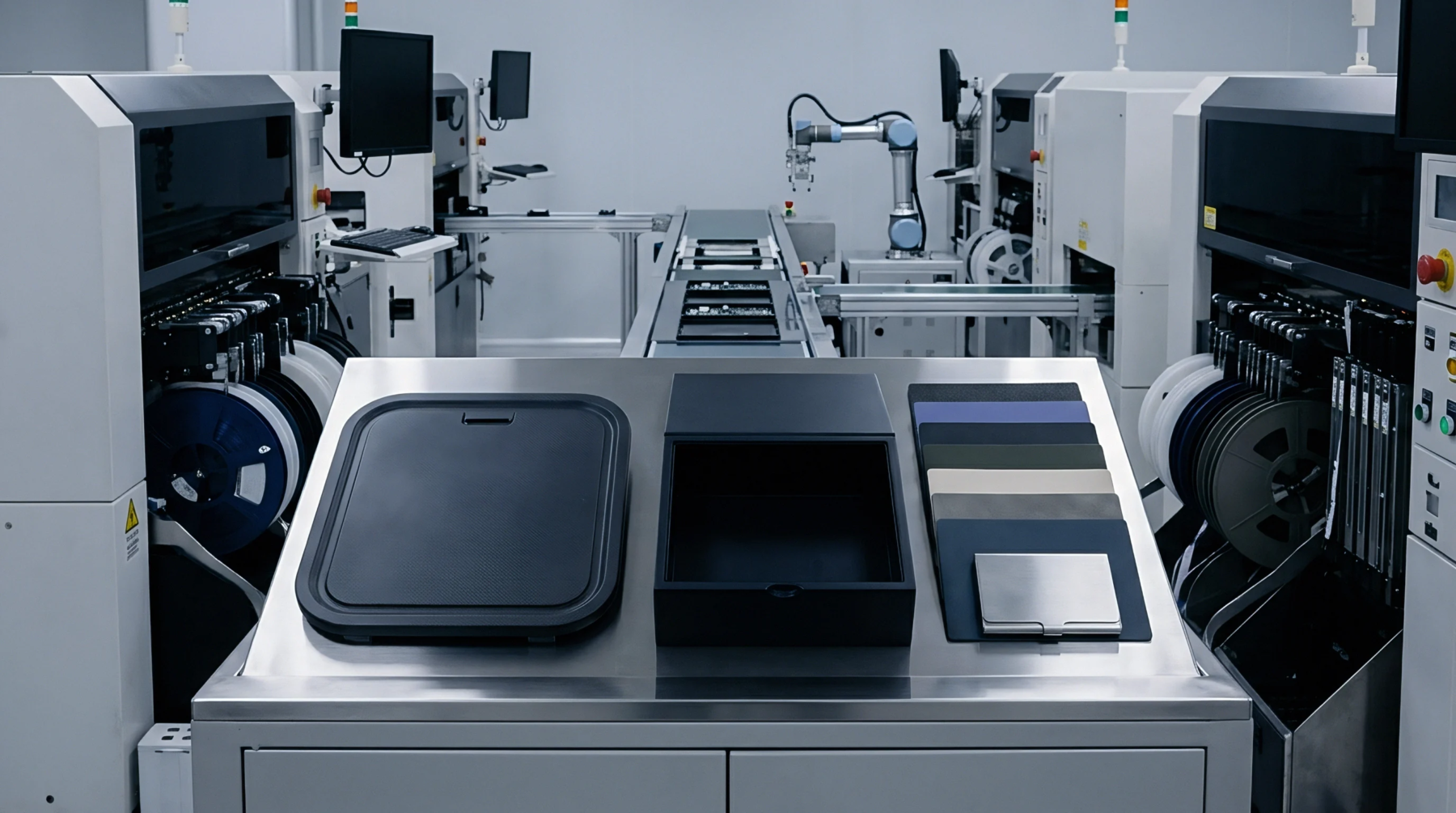
Quality control protocol involves a series of verification steps performed at predetermined points during the manufacturing process to ensure sub-assemblies meet technical standards. Intermediate inspections occur after machining, welding, painting or chemical treatments but before the product reaches the final assembly line.
Process Control
Production engineers define specific check-points where the work in progress must be measured against engineering drawings. If a component fails these intermediate inspections, the unit is diverted for rework or scrap before more value is added to a defective part. This systematic approach reduces waste and prevents the accumulation of errors that are difficult to correct later in the production cycle.
Defect Isolation
Early detection of manufacturing flaws allows the production team to identify the root cause in the machinery or the raw material. Because intermediate inspections provide data at each stage, the factory can isolate which specific machine or operator produced the non-conforming part. This data helps in adjusting parameters and maintaining the stability of the entire manufacturing line.
Documentation Flow
Each check-point generates a record that stays with the batch until the final shipping stage. These intermediate inspections form the core of the quality history file required by many international safety and performance standards. Auditors use these records to verify that every step of the production process followed the approved quality plan and that all deviations were addressed.
Retention of these records is mandatory for product liability compliance.