Meaning
Environmental stress testing protocols subject electronic components or assemblies to rapid alternating shifts between extreme temperature limits to reveal latent defects. The usage of high thermal shock cycling focuses on the ability of materials to withstand the internal stress caused by differing rates of expansion and contraction during these transitions. This procedure differs from standard aging tests because the switch from the hot chamber to the cold zone occurs within seconds rather than minutes.
It is an essential validation step for products intended for use in climates where rapid temperature changes are a constant operational factor.
Failure Mechanism
Structural damage occurs when the interface between two bonded materials cannot relax fast enough to accommodate the sudden change in physical volume. During high thermal shock cycling, brittle components like ceramic capacitors or thin solder joints are vulnerable to catastrophic cracking. The rate of change creates a localized strain that exceeds the fracture toughness of the bonding agent or the substrate material.
Each repetition of the cycle acts as a fatigue event that progressively weakens the internal architecture of the device. Engineers monitor for electrical open circuits that indicate a complete break in the conductive path between layers. If a sample survives the initial ten cycles but fails at fifty, the test has successfully mapped the transition from elastic behavior to permanent plastic deformation.
Testing Parameters
Validation of a batch requires setting specific upper and lower boundaries that reflect the worst-case scenario for the expected environment. For commercial grade electronics, high thermal shock cycling often moves from minus forty degrees celsius to eighty-five degrees within a ten-second transit window. In aerospace or heavy automotive applications, these limits are expanded to ensure the hardware can survive extreme shifts without degradation.
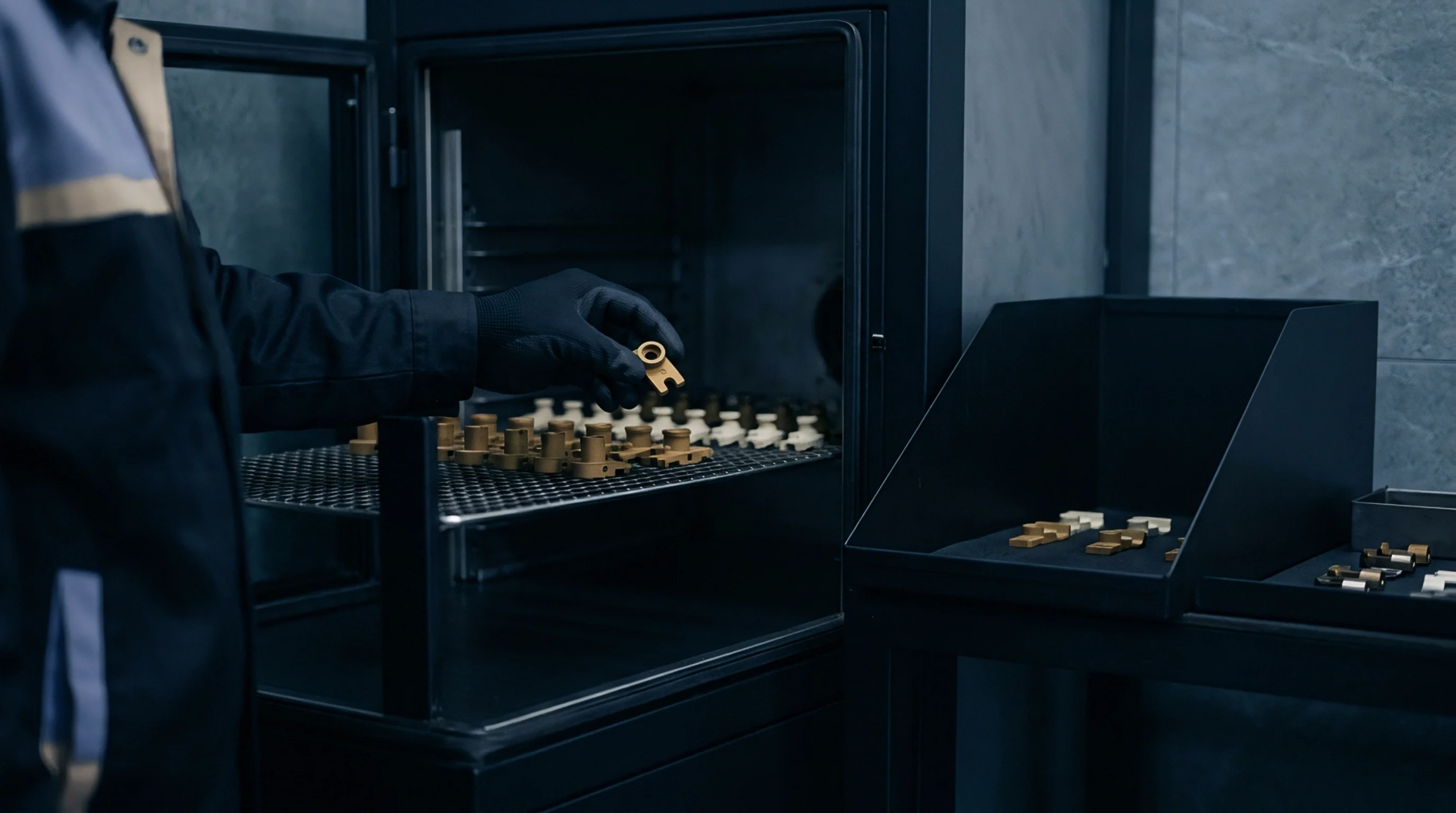
The dwell time at each extreme must be sufficient for the core of the device to reach thermal equilibrium before the next shock begins. Labs utilize dual-chamber systems where an automated elevator moves the test tray between pre-stabilized zones to maintain the speed of the shock. These systems log the resistance across the test points in real time to capture failures that might reseal once the device returns to room temperature.
Safety Boundary
Limitations of the test involve the potential to create failure modes that would never occur under actual operational conditions if the ramp rates are excessively high. When performing high thermal shock cycling, the team must ensure the thermal gradient does not cause secondary chemical breakdown in the protective coatings. Excessive cold may cause certain polymers to reach their glass transition temperature, turning flexible supports into hazardous brittle points.
If the cycling frequency is too fast, the component remains in a state of constant internal tension which prevents the gathering of data on normal fatigue limits. Successful testing establishes a clear limit beyond which the reliability of the assembly is no longer guaranteed by the original design. The findings guide modifications to the physical layout or the choice of encapsulating materials to improve the overall resilience of the future production line.