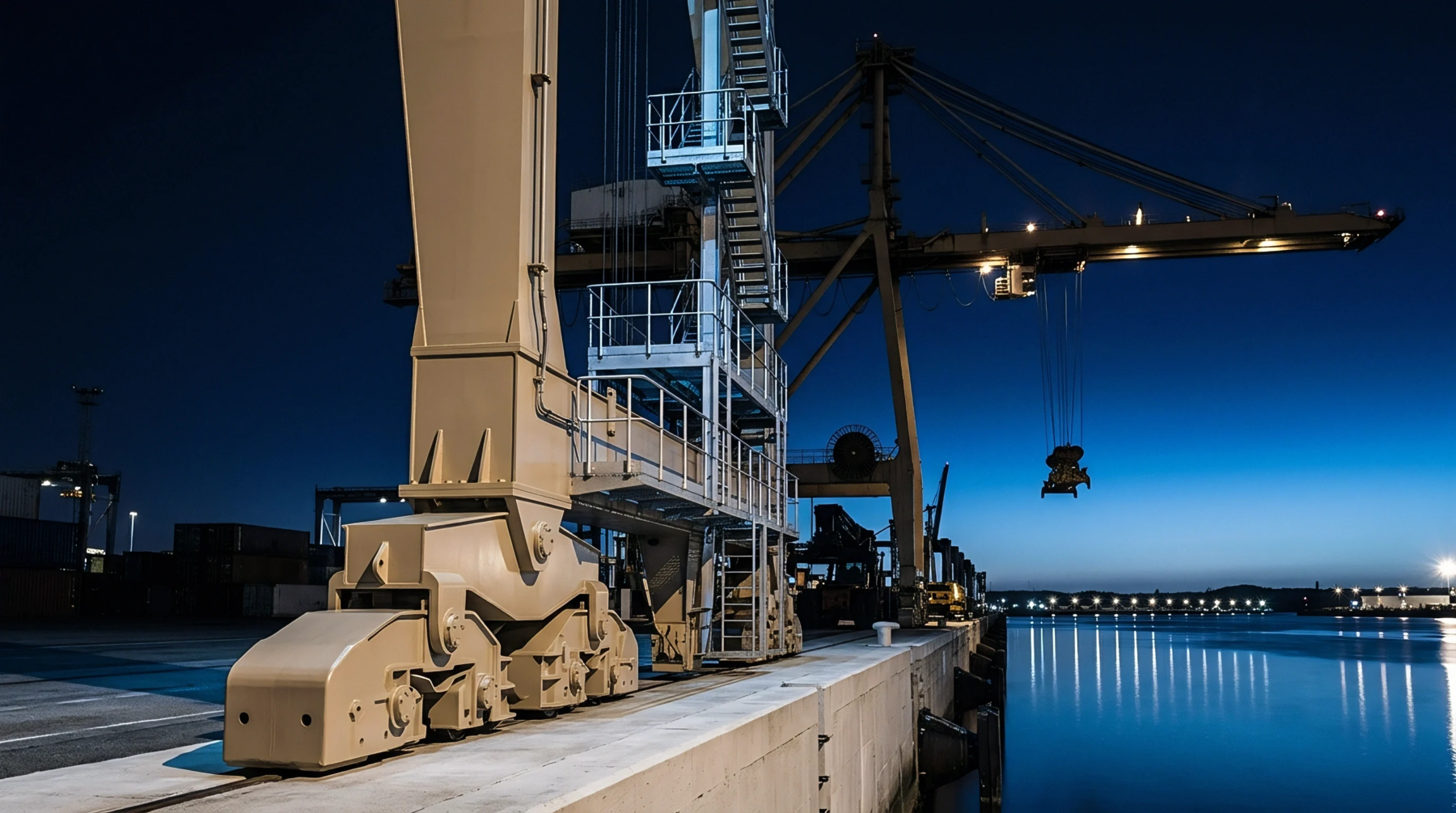
Tier Two Utility Model Verification Protocols before Coastal Customs Clearance
Exporters verify tier-two utility model validity via CNIPA evaluation reports before port transit to prevent customs detentions and cargo bond freezes.
Administrative tribunal review conducted within the China National Intellectual Property Administration adjudicates appeals against rejected patent applications and petitions contesting the validity of granted industrial property rights. Formed structurally under the Patent Examination Cooperation Center, the cnipa reexamination board exercises nationwide jurisdiction over invention patents, utility models, and industrial designs. Authority derives directly from the Patent Law of the People’s Republic of China and administrative examination guidelines.
The panel reviews disputed examiner rejections and decides third-party validity challenges, issuing binding decisions that stand unless challenged in Beijing courts. This administrative oversight terminates once appeals transition into formal judicial review before the Beijing Intellectual Property Court.
Administrative scrutiny begins with the constitution of a collegiate panel consisting of three or five senior patent examiners. The collegiate bench of the cnipa reexamination board includes a lead examiner, a first examiner, and a second examiner, selected based on technical specialty and legal qualifications. Examination procedures proceed through documentary review, formal written interrogatories, and oral hearings held in Beijing or conducted via administrative video conferencing.
Examiners operate independently from the initial preliminary examination divisions that granted or rejected the original application. The panel possesses statutory authority to introduce prior art on its own initiative in reexamination cases, though inter partes invalidation reviews adhere strictly to grounds submitted by the petitioning parties.
Procedural rulings issue in the form of official written reexamination decisions or patent invalidation decisions signed by panel members. The collegiate bench of the cnipa reexamination board possesses the legal power to uphold an examiner rejection, overturn an examiner decision to reopen prosecution, or declare a granted patent invalid in whole or in part. Invalidation determinations require rigorous evaluation of novelty, inventive step, utility, and sufficient disclosure under Chinese patent statutes.
Administrative decisions take immediate effect upon delivery to the parties, directly altering the national patent register maintained by the central government. Claim amendments during these hearings face strict procedural limitations, permitting deletions, combination of claims, and removal of technical solutions while prohibiting any broadening of claim scope.
Aggrieved litigants possess the statutory right to contest collegiate decisions through judicial litigation outside the administrative apparatus. A party dissatisfied with an adverse ruling by the cnipa reexamination board must file an administrative lawsuit against the patent agency within three months of receiving the written determination. Jurisdiction for the initial trial belongs exclusively to the Beijing Intellectual Property Court, with subsequent appellate review handled by the Intellectual Property Court of the Supreme People’s Court.
The administrative board acts as the legal defendant throughout these proceedings, defending its technical reasoning against both private claimants and foreign intellectual property holders. Statistical outcomes show high judicial deference to collegiate panel findings on technical questions, establishing administrative decisions as the primary hurdle in cross-border patent disputes.
Exporters verify tier-two utility model validity via CNIPA evaluation reports before port transit to prevent customs detentions and cargo bond freezes.
Expertise is a utility, not a secret. sentiention™ publishes its working knowledge as open reference: intelligence layer covering the materials it sources, the markets it enters, and the reference that serves both.