GACC Customs Security Counter-Bond Posting Mechanics during Coastal Port Export Seizures
Posting GACC Article 24 counter-bonds requires immediate cash or bank guarantees matching declared FOB value to clear patent-detained export cargo at coastal ports.
Dock
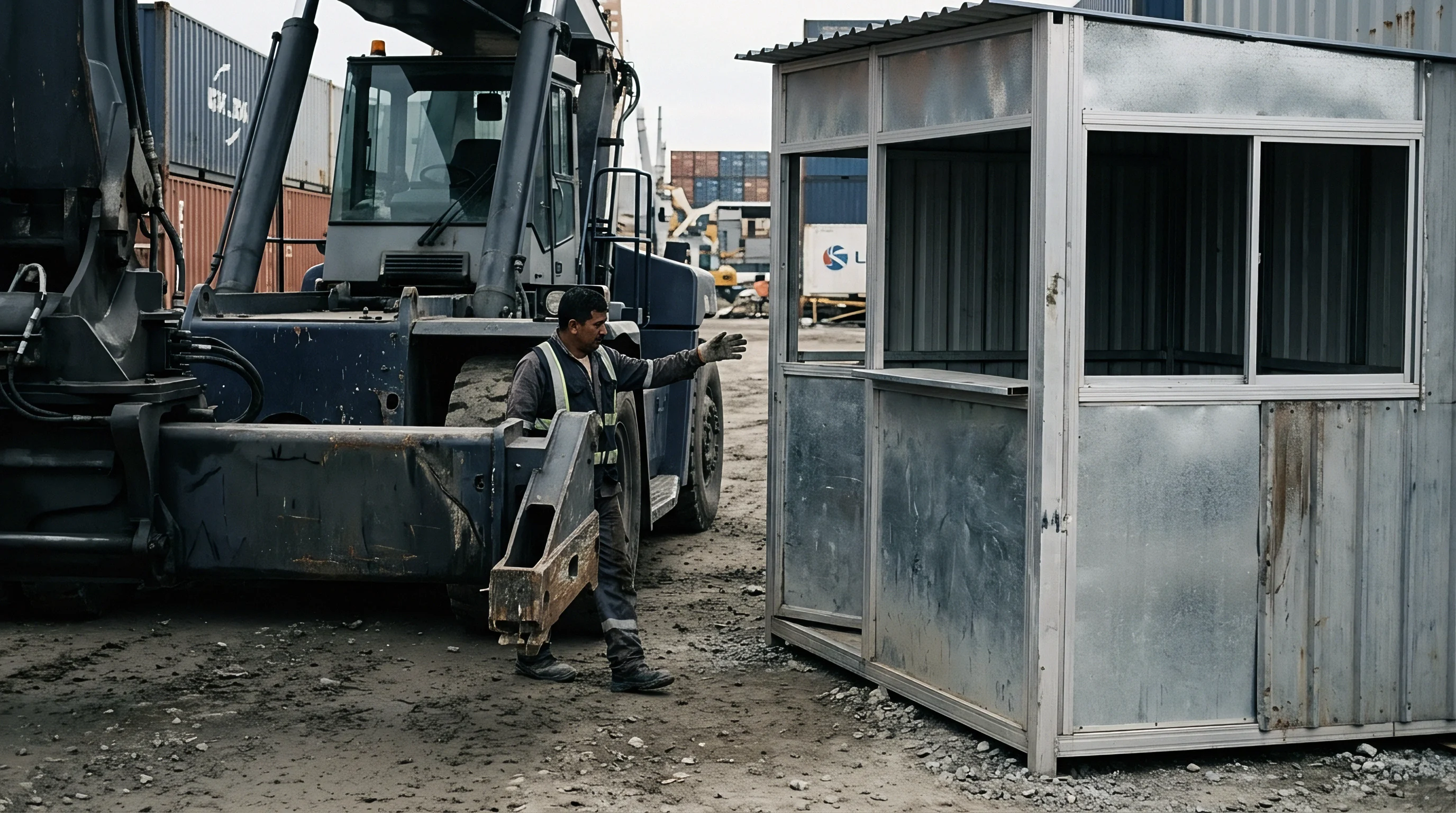
Export clearance halts at the container yard the moment automated risk engines run by the General Administration of Customs (GACC) flag an outgoing bill of lading against recorded intellectual property. At major terminals like Ningbo-Zhoushan, Shanghai Waigaoqiao, and Shenzhen Yantian, targeted boxes are shunted into physical inspection bays within hours. The consignor receives a formal Notice of Detention of Exported Goods Suspected of Infringing Intellectual Property Rights, triggering a strict statutory clock under China’s customs framework.
An export detention is an administrative border action, not a judicial asset freeze. Customs officers do not interpret patent claims or untangle complex licensing agreements on the quay; they match physical freight against recorded trade marks, patent numbers, and authorized exporter lists in the GACC IP Customs Protection System. If outgoing cargo displays marks, trade dress, or structural designs registered by a third party, customs freezes the clearance sequence.
The container remains in quarantine inside the terminal, accumulating daily storage, demurrage, and reefer plug fees while notices circulate between customs and the recorded rights holder.
A notified rights holder has three working days to apply for formal detention. To proceed, the applicant must post security scaled to the shipment’s declared Free on Board (FOB) value: 100 percent for cargo valued under 20,000 RMB, fifty percent for shipments between 20,000 RMB and 200,000 RMB, and a flat 100,000 RMB deposit for goods exceeding 200,000 RMB declared FOB. If the rights holder misses the three-day deadline, customs releases the freight.
If the cash deposit or bank guarantee clears on time, customs issues a Detention Order and starts a 20-working-day administrative investigation.
A recorded rights holder must post security within three working days or customs forfeits the export detention.
Foreign buyers operating under Ex-Works (EXW) or Free Carrier (FCA) terms face immediate disruption. While property in the goods may have passed at the factory floor, export clearance remains a statutory precondition before carriers can issue bills of lading. When formal notice arrives, the overseas buyer finds its supply line stalled at the pier and faces delivery defaults downstream, while the domestic supplier often seeks to disclaim responsibility for domestic border enforcement actions.
The Intercept Notice and Administrative Timelines
Detention notices follow different procedural tracks depending on whether customs suspects a trademark or a patent violation. On registered trademarks, customs acts ex-officio under Article 16 of the Regulations of the PRC on Customs Protection of Intellectual Property Rights, opening an administrative investigation to determine whether the goods infringe. The shipment stays held in the port yard throughout this inquiry, which can run up to 30 working days before customs issues a preliminary finding.
Patent seizures follow the separate mechanism in Article 24 of the GACC Regulations. Customs officers cannot determine patent scope, claim construction, or literal infringement at the port gate. When a patent holder detains cargo over a recorded utility model or invention patent, the exporter holds an explicit statutory right to request release by posting counter-security.
This provision moves the freight out of terminal quarantine, shifting the conflict from physical cargo detention to cash or bank credit held in customs escrow.
Initial explanations from suppliers often obscure underlying licensing disputes or unauthorized production runs. In one detention at Ningbo port involving an export container of Zhejiang-manufactured components, the factory attributed the hold to misfiled customs commodity codes, even though GACC records showed an active trademark detention lodged by an overseas brand owner with prior Chinese registrations.

Provision
The statutory basis for posting counter-security sits in Article 24 of the Regulations of the PRC on Customs Protection of Intellectual Property Rights, applied alongside Article 68 of the Customs Law of the People’s Republic of China. Under Article 24, where a consignor or consignee maintains that exported goods do not infringe a recorded patent, it may petition in writing for cargo release upon posting security equal to the value of the freight. The mechanism exists to prevent patent holders from using border detentions purely to choke commercial trade flows.
The legal framework separates patent holds from trademark detentions. Trademark counterfeiting actions under Article 19 and Article 23 carry no standard statutory counter-bond release. Because GACC regulations treat trademark infringement as an immediate source of market confusion and commercial injury, customs maintains custody of goods bearing identical or confusingly similar marks until it completes a formal determination.
Port authorities reject counter-security filings for trademark seizures as a matter of course, except where the dispute concerns a contract licensing issue already before a PRC court.
Patent owners must act quickly if they intend to block cargo after counter-security is tendered. Once customs approves an Article 24 counter-bond, it clears the goods for export, and administrative customs channels alone cannot hold the vessel. To maintain a hold on the freight or secure provisional relief, the patent owner must secure a pre-litigation asset preservation order or preliminary injunction directly from a competent PRC People’s Court within 20 working days of the detention notice.
The Patent Exemption Standard under Article Twenty Four
Filing for an Article 24 counter-bond requires submitting five primary legal and commercial filings to the local customs legal affairs department:
- Written Application for Counter-Security Release signed by the legal representative of the Chinese export entity, setting out the legal grounds for non-infringement and requesting cargo release under Article 24 of GACC Regulations.
- Commercial Valuation Evidence including the original export contract, commercial invoice, packing list, and stamped export declaration form confirming the declared FOB value of the detained shipment.
- Security Instrument Documentation showing either a cash deposit to the designated GACC escrow account or an irrevocable, unconditional Bank Guarantee from an approved PRC financial institution.
- Technical Non-Infringement Analysis prepared by a qualified PRC patent attorney, explaining why the export cargo falls outside the claims of the recorded patent.
- Power of Attorney and Corporate Registration Documents establishing the authority of the handling agent, accompanied by an official Business License (营业执照) stamped with the corporate chop of the exporter of record.
Customs legal affairs officers review these dossiers within three to five working days. Once the documentation is approved and the counter-security matches the declared value of the shipment, customs sends a Release Notification to the terminal, permitting the carrier to load the container aboard the scheduled vessel.
Counter-bond approval under Article 24 transfers cargo custody while holding cash value in customs escrow.
These procedural differences make explicit IP indemnity and border release protocols essential in manufacturing contracts. Overseas buyers working with Chinese factories must confirm that suppliers hold clear title or valid licenses for all relevant design patents and utility models before production reaches the quay. Agreements that fail to allocate clear obligations for posting GACC counter-bonds expose buyers to costly shipping deadlocks.
Standard export contracts should specify counter-bond obligations directly: “In the event of GACC customs detention based on third-party patent recordations, the Supplier shall post full statutory counter-security under Article 24 of GACC Regulations within five working days of notice, securing immediate cargo release at Supplier’s sole expense.”


Appraisal
Counter-security requirements correspond directly to the declared commercial value of the export shipment. Under GACC administrative rules, the counter-bond must match 100 percent of the declared Free on Board (FOB) value listed on the export declaration. Under the PRC Customs Measures on Determining Dutiable Value for Import and Export Goods, valuation officers can challenge stated values.
If customs determines that the declared FOB value has been understated to minimize the counter-bond, officers recalculate the shipment using transaction values of identical or similar merchandise, setting the bond against the reassessed figure.
Exporters posting cash transfer funds straight into the designated GACC port escrow account. Cash satisfies customs immediately, but it freezes working capital. Alternatively, exporters can submit a Financial Institution Security Guarantee (金融机构担保), typically structured as an irrevocable Bank Guarantee (银行保函) payable on first demand by GACC.
The guarantee must be underwritten by a licensed PRC commercial bank with a validity period of at least 180 calendar days, including automatic extension terms to cover ongoing court proceedings.
| Security Instrument Type | Financial Collateral Requirement | Customs Acceptance Speed | Annual Cost / Premium Structure | Liquidity & Exit Lockup Risk |
|---|---|---|---|---|
| Cash Escrow Deposit | 100% liquid cash transferred to GACC port account | 1 to 2 working days post-clearing | Zero premium; zero interest earned on escrow | High; cash locked until full judicial or administrative finality |
| PRC Commercial Bank Guarantee | 100% cash margin or credit line allocation | 2 to 4 working days post-underwriting | 0.8% to 2.5% per annum of face value | Moderate; credit line encumbered until GACC formal release |
| Customs Security Insurance Policy | Underwriter credit approval; zero to 30% cash margin | 3 to 5 working days post-underwriting | 1.5% to 4.0% per annum of face value | Low cash impact; premium non-refundable upon cargo release |
The financial impact of a customs hold extends past the bond amount. Port storage fees, container demurrage, terminal inspection costs, and re-stowing charges accrue daily. At hubs like Shanghai or Ningbo, demurrage accelerates quickly: standard dry containers incur baseline daily rates for the first 7 days, rising after day 10 and stepping up substantially past day 15.
Reefer units and hazardous shipments carry double or triple these baseline fees.

Counter Security Valuation Arithmetic
Consider an export consignment of industrial valves manufactured in Jiangsu and declared through Shanghai Pudong/Waigaoqiao. The shipment comprises 2,000 units at a declared FOB value of $225 per unit, yielding a total declared FOB value of $450,000 (roughly 3,240,000 RMB at prevailing rates). A competing patent holder files a detention petition with Shanghai Customs citing a registered utility model for valve casing design, lodging the required 100,000 RMB security deposit for high-value detentions.
To obtain release under Article 24, the exporter must post counter-security matching the full declared sum of 3,240,000 RMB. The exporter secures a Bank Guarantee from a commercial bank in Shanghai. The issuing bank demands a 100 percent cash margin and charges an annual guarantee commission of 1.8 percent ~ equating to 58,320 RMB per year.
Securing the instrument takes 4 working days, during which the box remains grounded in the port terminal.
Port fees accumulate over that 4-day period:
- Terminal Demurrage Charges totaling 8,400 RMB for 4 days of yard storage past free days.
- Customs Inspection and Handling Fees running 3,500 RMB for physical positioning and unsealing.
- Customs Brokerage Administrative Surcharges set at 2,500 RMB for processing Article 24 filings.
- Ocean Carrier Booking Amendment Penalties assessed at $350 (2,520 RMB) to roll the container to the next scheduled vessel.
Direct administrative and port costs before release reach 16,920 RMB, apart from the bank guarantee fee and the encumbrance of 3,240,000 RMB in credit lines. If the exporter lacks credit capacity for a bank guarantee, the entire sum must be transferred in cash to the GACC escrow account, removing liquid funds from operations.
Demurrage and terminal charges accumulate daily while counter-bond underwriting moves through commercial banks.
Financial exposure mounts if the patent holder files an infringement suit in the Ningbo Maritime Court or Shanghai IP Court within the 20-working-day window. Once notified of the filing, GACC maintains the 3,240,000 RMB bank guarantee in escrow pending a final judgment, court settlement, or preservation order. If the dispute runs 18 months, cumulative bank guarantee fees reach 87,480 RMB while the underlying collateral remains frozen.
Discrepancies between the corporate chop on a bank guarantee application and the registered customs export entity name can trigger immediate Article 24 rejections. In one electronics shipment through Yantian, such an error delayed departure by 19 days and resulted in $114,000 in air-freight mitigation costs.


Litigation
When GACC accepts an Article 24 counter-bond and clears detained goods, the matter shifts from customs administration to the courts. The patent owner cannot hold the physical cargo, but it retains 20 working days from the detention notice to file a civil claim and seek judicial preservation. The lawsuit must be initiated in a PRC court holding IP and maritime jurisdiction ~ generally the Specialized IP Court or Intermediate People’s Court covering the port or the defendant’s domicile.
Coastal Maritime Courts maintain specific jurisdiction over port logistics, export shipments, and maritime carriage. The Ningbo Maritime Court, Shanghai Maritime Court, and Guangzhou Maritime Court frequently handle border disputes where seizures intersect with bill of lading issues. Rights holders routinely apply for Pre-Litigation Property Preservation (诉前财产保全) or Pre-Litigation Act Injunctions (诉前行为保全) under Articles 103 and 104 of the PRC Civil Procedure Law, seeking to freeze counter-bond funds in GACC escrow or arrest shipments at transshipment ports such as Hong Kong or Singapore.
| Court Jurisdiction | Primary Port Coverage | Average Injunction Hearing Timeframe | Pre-Litigation Bond Requirement | Jurisdictional Focus & Patent Specialization |
|---|---|---|---|---|
| Ningbo Maritime Court | Ningbo-Zhoushan, Taizhou, Zhoushan | 5 to 10 working days | 100% of target asset value | Maritime transport, bill of lading disputes, port asset freezes |
| Shanghai IP Court | Shanghai Waigaoqiao, Yangshan Port | 3 to 7 working days | 100% of estimated claim damages | High-tech patent disputes, complex claim construction |
| Guangzhou IP Court | Shenzhen Yantian, Shekou, Guangzhou Nansha | 4 to 8 working days | 100% of target asset value | Electronics, consumer hardware, export manufacturing designs |
| Qingdao Maritime Court | Qingdao Dagang, Qianwan, Yantai | 7 to 12 working days | 100% of target asset value | Heavy industrial export machinery, marine equipment patents |
To secure a judicial freeze on counter-bond funds held by GACC, the patent holder must post security with the court equal to the value of the targeted asset. If the patent holder fails to commence legal action within 20 working days of the customs notice, GACC must release the counter-security deposit or return the bank guarantee upon the exporter’s written request. That 20-day limit operates as a hard statutory cutoff for administrative border actions.

Can Exporters Neutralize Patent Seizures during Invalidation Proceedings?
Exporters facing patent holds frequently file invalidation petitions with the Re-examination and Invalidation Department of the China National Intellectual Property Administration (CNIPA). However, an invalidation petition does not automatically suspend GACC enforcement or stay court proceedings. Under Supreme People’s Court interpretations, PRC courts retain discretion to grant preliminary injunctions or maintain freezes on counter-bond funds while CNIPA reviews patent validity.
Courts weigh four considerations when deciding whether to preserve funds during a parallel CNIPA invalidation proceeding:
- The Patent Type in Dispute distinguishing invention patents, which carry a strong presumption of validity due to substantive examination, from utility models and design patents, which undergo only preliminary review.
- The Strength of Invalidation Prior Art evaluating whether the exporter presents clear documentary prior art that undermines the novelty or inventive step of the patent.
- Irreparable Harm Metrics assessing whether releasing counter-bond funds to the exporter would leave the patent holder without effective financial recovery if they win at trial.
- Public Interest and Commercial Balance weighing economic disruption to supply chains against the enforcement rights of IP holders.
If CNIPA invalidates the patent, the legal foundation for the border hold dissolves. The exporter can file the invalidation ruling with the court or GACC to secure the discharge of preservation orders and the release of counter-security.
Appraisals fix the counter bond while court proceedings determine final fund disposition.
The intersection of GACC procedures and PRC judicial authority creates complex strategic considerations for foreign buyers. Relying entirely on local suppliers to handle border disputes is precarious; an unmanaged utility model action in a coastal court can tie up substantial funds for two years while validity is argued before CNIPA and the Beijing IP Court. Buyers need clear joint defense protocols and legal standing alongside their Chinese manufacturing partners to control border litigation directly.
An important question remains unsettled in PRC legal practice: whether an overseas buyer, not listed as the exporter of record on the GACC customs declaration, holds standing to intervene as an independent third party and post Article 24 counter-security if the domestic supplier fails or refuses to do so.
Friction
Customs seizures expose operational fault lines between overseas buyers, Chinese factories, and freight forwarders. Under standard Incoterms like FOB or CFR, risk transfers to the buyer once cargo passes the ship’s rail or reaches the carrier. Yet GACC detentions occur prior to loading, during export clearance ~ an obligation that falls legally on the Chinese Exporter of Record (发货人).
When customs halts a container, the exporter faces regulatory scrutiny, but the buyer bears the cost of assembly line stoppages and missed delivery dates.
Factory relationships can fracture immediately after GACC issues a detention notice. Chinese suppliers often treat border detentions as an unforeseen commercial risk or point to buyer-supplied product specifications. If supply contracts lack clear terms covering indemnification, tooling title, and counter-bond obligations, suppliers frequently decline to post cash deposits or allocate bank credit lines to customs.
Cargo remains trapped in the yard while storage charges accumulate.
Managing a GACC detention requires a structured sequence of legal and operational actions:
- Obtain the official GACC Notice of Detention from the customs broker within 24 hours to determine the statutory basis of the seizure.
- Confirm whether the hold involves an ex-officio trademark detention under Article 19 or a patent detention under Article 24 of GACC Regulations.
- Search the CNIPA registry immediately to identify the recorded rights holder, patent scope, recordation date, and legal representative details.
- Evaluate whether posting Article 24 counter-security makes financial sense given the shipment value, daily demurrage costs, and delivery deadlines.
- Submit the Article 24 counter-security dossier and bank guarantee to the local customs legal affairs division within 5 working days.
- File a patent invalidation petition with CNIPA if the detention relies on a vulnerable utility model or design patent.
- Open direct legal negotiations with the rights holder to obtain a written withdrawal of the detention request (撤销扣留申请).
Master Service Agreements and NNN contracts must explicitly define counter-security responsibilities. A robust contract obligates the supplier to post Article 24 counter-security within five calendar days of receiving notice, supported by liquidated damages provisions that permit the buyer to deduct demurrage and legal expenses directly from pending supplier invoices.
Contracts that fail to mandate counter-bond posting timelines leave buyers holding demurrage costs.
Contingency plans for tooling and inventory redirection are critical when border holds threaten production lines. If customs detains cargo under a trademark action where counter-bonds cannot be used, the buyer must shift manufacturing to pre-qualified secondary vendors with unencumbered IP title or alternate production sites. Tooling clauses must ensure immediate access to duplicate molds, CAD files, and technical specifications without vendor obstruction.
Relying on a single manufacturing partner for both production and export clearance leaves an entire supply line vulnerable if a third party’s registered IP blocks the port terminal.
Release
Recovering escrow funds or canceling bank guarantees requires completing GACC administrative discharge formalities. Under Article 27 of the GACC IP Protection Regulations, customs releases counter-security under three conditions: the patent owner fails to file a court action within 20 working days of notice; a court issues a final ruling dismissing the infringement claim; or the parties execute a formal settlement and file a joint withdrawal application signed by both legal representatives.
Processing refunds or returning guarantee letters generally takes 15 to 30 working days after filing. The exporter must present the original GACC Counter-Security Receipt (海关反担保金收据), the court dismissal ruling or non-infringement judgment, and a Bank Account Refund Authorization Form stamped with the corporate chop. Local customs legal affairs audits the submission and delivers a Fund Discharge Notice to the customs accounting office, which remits the deposit back to the exporter’s RMB account or returns the guarantee letter to the issuing bank for cancellation.
If the patent owner prevails at trial, GACC enforces the counter-security bond to satisfy the judgment. The court issues an Execution Assistance Notice (协助执行通知书) directing customs to transfer the escrowed funds to the court’s enforcement account. Where counter-security was provided via bank guarantee, GACC demands immediate settlement from the issuing bank, which then claims the exporter’s pledged cash margin or liquidates other posted collateral.
Securing release of a counter-bond requires complete documentation under customs checklists:
- Original GACC Counter-Security Deposit Receipt confirming initial deposit receipt or bank guarantee acceptance by customs legal affairs.
- PRC Court Judgment or Non-Infringement Order bearing the official court seal, proving final resolution of the dispute.
- CNIPA Patent Invalidation Certificate if release is based on administrative cancellation of the patent right.
- Joint Settlement Agreement and Settlement Chop Verification signed by legal representatives of both the rights holder and the exporter.
- Customs Bond Discharge Application Form providing bank routing details and corporate tax identification numbers.
If CNIPA invalidates the asserted patent during ongoing court proceedings, counsel should move for an immediate judicial dismissal. Once the court enters a termination order, counsel files the ruling with GACC to initiate counter-bond discharge. This action unencumbers bank credit lines, restores liquidity, and allows the parties to address demurrage and storage costs incurred during the detention.
Mitigating port detentions over the long term requires pre-export IP clearance and active customs recordation. Overseas buyers and brand owners should check the GACC IP Customs Recordation Registry before finalizing supply agreements. Registering trademarks, design patents, and critical utility models directly with CNIPA and recording them with GACC establishes border priority ~ preventing third parties from registering competing trade dress or using customs holds to leverage commercial settlements at Chinese ports.