Customs Intellectual Property Recordation Filing Procedure for Export Clearance
File CNIPA marks with GACC and white-list authorized OEMs to enable customs interdiction of copycats while preventing export halts of authentic freight.


Registry
Cross-border enforcement at Chinese container terminals starts within the online database operated by the General Administration of Customs in Beijing. Foreign brand owners frequently discover counterfeit production only after shipping lines issue ocean bills of lading. The Chinese customs legal framework establishes border interdiction powers over outbound freight, treating outbound export consignments under the exact statutory scrutiny applied to inbound imports.
Filing trademark and patent title deeds directly with the customs authority transforms intellectual property rights into actionable border halts. Without this administrative step, dock inspectors possess zero automated alerts to stop unlicensed outbound containers.
National intellectual property registrations through the China National Intellectual Property Administration do not transmit automatically to ocean terminals. Port authorities monitor shipping manifests against an independent enforcement database. The Regulations of the People’s Republic of China on Customs Protection of Intellectual Property Rights create a dual-track border control regime: ex-officio interdiction and ex-parte application.
Ex-officio powers allow customs officers to impound suspect cargo during routine outbound screening, whereas application-based detention obligates the trademark owner to submit specific container numbers, vessel names, and localized cash bonds before a vessel sails.

Administrative Foundations of Customs IP Protection
Article 3 of the State Council customs regulations empowers border agents to confiscate goods infringing Chinese trade marks, invention patents, utility models, and copyrights. This authority applies directly to foreign trade operations leaving major export hubs such as Shenzhen, Ningbo, Qingdao, and Shanghai. Ex-officio actions materialize only after a rights holder secures an approved recordal certificate through the customs online database.
Unrecorded titles leave dock supervisors without legal justification to halt outbound shipments on suspected infringement grounds during clearance checks.
A recorded trademark provides border agents with immediate authority to impound suspicious outbound consignments during routine clearance.
Trade mark protection represents the most efficient border weapon. Patent enforcement at maritime checkpoints involves substantial technical verification that customs inspectors rarely conduct without external technical appraisal panels. Invention patents and complex utility models require specialized identification that dock officers cannot resolve within statutory detention windows.
Trademark counterfeiting displays direct visual discrepancies that terminal personnel verify against recorded product images within minutes.

Statutory Prerequisites under General Administration Rules
Recordal filings demand valid domestic intellectual property certificates issued by CNIPA. Madrid System international registrations extending to China must obtain a supplemental certificate of registration from the trademark office before submitting customs documentation. Foreign entities cannot interface directly with border authorities: non-resident corporations appoint a qualified domestic legal representative or PRC agent to handle border enforcement proceedings.
The recordation filing packet requires comprehensive commercial data:
- Certified Title Deeds establish legal ownership through CNIPA trade mark registration certificates, patent grants, or copyright filing receipts accompanied by full Chinese translations.
- Corporate Qualification Proof authenticates the foreign entity via consular notarization or apostille certification, confirming the legal representative’s operational signing power.
- Authorized Manufacturer Schedules catalog every approved contract factory, licensed packaging supplier, trading company, and logistics intermediary permitted to move branded goods through customs checkpoints.
- Visual Identification Dossiers compile high-resolution photographs of authentic packaging, anti-counterfeiting seals, serial number placement, bar codes, and typical freight labeling.
- Known Infringer Profiles detail suspected illicit manufacturers, unauthorized shipping agents, fraudulent consignor corporate names, and recurring destination ports.

Digital Filing Workflow via the GACC Portal
Submissions proceed electronically through the General Administration Customs Intellectual Property Protection System. The portal accepts corporate credentials, digital marks, product photographs, and authorized licensee declarations. The customs agency maintains a statutory processing timeline of thirty working days from receipt of a complete dossier to grant or reject recordation.
Deficiencies in notarized powers of attorney or blurry packaging photography prompt formal correction notices, resetting the agency examination clock.
Approval generates an electronic filing code valid for ten years, bounded by the underlying intellectual property expiration date. Rights holders execute renewal applications within six months prior to title expiration to maintain unbroken surveillance across Chinese exit checkpoints. Corporate reorganizations, entity name changes, and license assignments mandate prompt recordal modifications.
When brand owners ignore domestic title updates, port officials hold zero institutional basis to intercept containers bearing outdated corporate ownership marks, forfeiting border protection while unlicensed cargo clears outbound berths.


Crate
Outbound container inspections rely on automated risk-profiling algorithms embedded inside the customs national clearance network. Export declarations generate immediate risk ratings based on declared Harmonized System codes, enterprise credit tiers, freight destinations, and recorded brand keywords. An alert flags the container for physical unpacking at designated maritime inspection docks.
Officers cross-reference the physical freight against the digital customs recordal database, inspecting carton markings, inner product stampings, and serial placards.
Clearance halts take place rapidly. When physical markings mirror an active customs recordal entry, terminal officers check whether the declaring export enterprise appears on the owner’s authorized white-list. If the exporter lacks approved authorization, customs halts clearance immediately.
The authority dispatches an electronic notification to the registered domestic agent, initiating a strict operational timeline. Rights holders maintain three working days to inspect photographic evidence transmitted by border agents and confirm whether the goods represent counterfeit output.

Where Do Port Examiners Direct Interception Focus?
Packaging exteriors receive primary scrutiny. Freight handlers strip container doors under officer supervision, pulling pallets from rear and center tiers to detect mixed-load concealment. Examiners focus on specific cargo characteristics:
- Carton Typography Discrepancies reveal illicit runs when font kerning, logo proportions, or color saturation deviate from the recorded digital image repository.
- Origin Marking Omissions breach PRC foreign trade labeling rules whenever manufactured export items omit explicit country-of-origin tags or Chinese enterprise identifiers.
- Concealed Internal Labeling indicates intentional counterfeiting when generic outer corrugated cartons conceal fully branded retail packaging inside secondary protective sleeves.
- Mismatched Shipping Manifests trigger physical strip-searches when bill of lading cargo descriptions state generic hardware while container weights match precision electronics.
Inspectors impound export cargo within seventy-two hours of manifest mismatch detection when brand credentials remain unverified.

Border Detention Timelines and Operational Windows
Response discipline governs border seizures. Upon receiving an official detention notice, the brand owner must submit a formal application for customs protection along with a security bond within three working days. Failure to post bond forces customs officers to clear the shipping container, permitting suspect freight to board the outbound container vessel.
The legal representative coordinates immediately with local terminal offices in Ningbo, Yantian, or Yangshan to deliver financial instruments before deadlines lapse.
Detention opens an administrative investigation phase lasting thirty working days. Customs assesses product authenticity, reviews export declarations, and questions the consignor. If customs establishes infringement, the agency confiscates the cargo, levies administrative fines against the exporter, and transfers criminal cases to the Public Security Bureau.
If customs cannot confirm infringement within thirty working days, the agency issues an unresolved notice, transferring the dispute to civil courts.
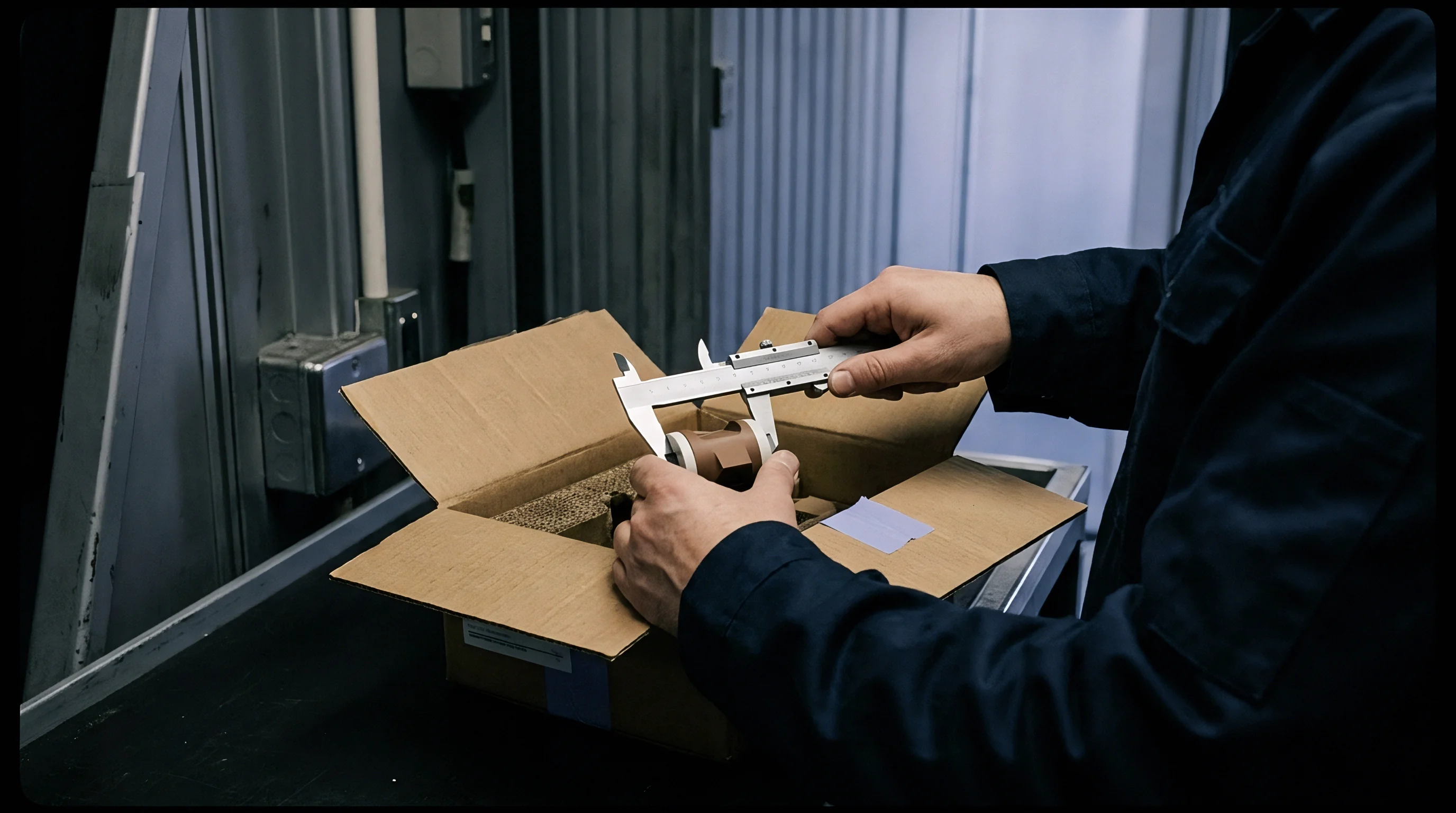
Intervention Modes Compared
The customs regulatory regime splits detention procedures into two distinct procedural pathways, illustrated below.
| Procedural Metric | Ex-Officio Action (Recordal Based) | Ex-Parte Action (Application Based) |
|---|---|---|
| Prerequisite Status | Active GACC recordation certificate | No prior customs recordal required |
| Detection Origin | Customs algorithmic screening | Rights holder intelligence report |
| Target Precision | Automated manifest keyword match | Exact container and vessel numbers |
| Bond Calculation | Statutory tiered cap (RMB 100,000 maximum) | Full equivalent value of seized cargo |
| Investigation Scope | Thirty working days agency investigation | Zero customs investigation conducted |
| Litigation Window | Twenty working days post-investigation | Twenty working days from detention date |
Ex-officio interdiction minimizes upfront operational costs. The statutory bond caps protect the brand owner from committing immense working capital to halt multi-million-dollar export consignments. Conversely, ex-parte applications demand full cargo-value cash deposits, locking corporate capital in court accounts throughout contentious maritime disputes.
A recorded brand catches copycat shipments while unrecorded trademarks pass unchecked through container gates.


Paperwork
Contract manufacturing in China creates structural border vulnerabilities when export documentation breaks down. Legitimate original equipment manufacturers frequently face export clearance seizures because foreign brand owners fail to update their authorized enterprise records within the customs portal. When an authorized factory contracts an unrecorded trading house to handle customs declarations, terminal algorithms trigger automatic detention.
The automated monitoring system treats an unlisted exporter as an unlicensed counterfeiter regardless of underlying supply contracts.
The General Administration platform allows brand owners to maintain a dynamic roster of authorized export entities. Every factory, exporter of record, and purchasing vehicle needs precise corporate name matching in simplified Chinese characters alongside uniform social credit codes. Latin alphabet transliterations cause immediate manifest rejections at port gates.
Brand managers must align supply-chain contracts with customs declarations, auditing logistics chains to verify that every entity named on export shipping bills holds active authorization within the customs interface.
White-Listing Authorized Exporters and OEM Fabricators
Exemption management avoids costly container impoundments. Foreign buyers often rely on tier-one assemblers who outsource sub-assembly packaging to regional workshops. If sub-contractors handle freight booking under separate business licenses, customs officials impound the cargo.
Authorized white-lists demand ongoing administrative upkeep.
A complete customs authorization entry mandates specific operational components:
- Corporate Enterprise Names matching official business licenses in Chinese characters without shorthand abbreviations or alternate trading handles.
- Uniform Social Credit Identifiers providing eighteen-digit tax codes that link the manufacturing entity directly to provincial commerce registries.
- Authorized Commodity Classifications restricting factory permissions to specific product categories, preventing contract assemblers from shipping unauthorized product lines.
- Strict Validity Durations establishing distinct operational windows that terminate automatically upon manufacturing agreement conclusion dates.
Licensing agreements lacking explicit customs recordation clauses allow contract factories to claim independent export rights at terminal gates.

Licensing Documentation and Evidentiary Chains
Customs authorities require clear documentary evidence to differentiate authorized original equipment manufacturing from illicit counterfeiting. The landmark Supreme People’s Court judicial interpretations regarding OEM non-infringement defenses establish that assembling branded products purely for foreign export does not constitute domestic trademark infringement under narrow conditions: products must ship entirely overseas without domestic sales, and foreign trademarks must hold lawful overseas title. Port officers routinely reject generic supply contracts, demanding verifiable licensing chains that connect the foreign trademark owner to the specific container manifest.
Evidentiary bundles submitted to port authorities require notarized trademark assignment deeds, detailed production authorizations, sample product catalogs, and raw material purchase invoices. Freight forwarding clerks frequently encounter terminal delays when export documentation omits the foreign principal’s formal authorization chop. A factory representative will routinely explain that container delays stem from administrative confusion rather than unrecorded production licenses.


Escrow
Financial collateral governs every border interdiction. Under ex-officio detention, Article 14 of the PRC Customs Protection Regulations requires the intellectual property owner to provide security to cover potential damages suffered by the consignor or storage expenses incurred by terminal operators. The security deposit functions as a financial guarantee protecting legitimate exporters against malicious or unfounded commercial interference.
Customs authorities establish precise bond scales based on declared cargo valuation.
The statutory bond schedule operates under three rigid financial tiers. For goods valued under RMB 20,000, the bond equals one hundred percent of cargo value. When declared value falls between RMB 20,000 and RMB 200,000, the bond rate drops to fifty percent, subject to an RMB 20,000 floor.
For freight exceeding RMB 200,000, the bond is fixed at a flat RMB 100,000. These figures reflect published customs schedules in effect since 2019. Significant currency fluctuations or legislative revisions to State Council maritime decrees could alter these static thresholds.

Security Collateral and Bank Guarantee Instruments
Cash deposits tie up liquidity. Brand owners managing continuous enforcement across multiple maritime exit hubs face compounding financial exposure if they fund individual container stops with liquid cash. Customs procedures permit registered entities to substitute standing bank guarantee letters for individual cash escrows.
A general bank guarantee issued by an approved Chinese financial institution covers multiple seizures nationwide across a single calendar year.
General guarantees require a baseline capital commitment of RMB 200,000 to RMB 500,000 deposited within designated state-owned commercial banks. The bank issues a formal guarantee bond directly to the General Administration of Customs, which registers the instrument across all regional customs bureaus. When an interdiction occurs in Ningbo or Shenzhen, the local bureau draws upon the standing instrument rather than demanding wired funds.
This mechanism prevents missed detention deadlines caused by international banking delays or cross-border foreign exchange conversion windows.
| Declared Cargo Valuation | Statutory Bond Formula | Cash Escrow Requirement | Bank Guarantee Alternative |
|---|---|---|---|
| Below RMB 20,000 | 100 percent of value | Equal to declared invoice | Covered under standing guarantee |
| RMB 20,000 to RMB 200,000 | 50 percent of value | RMB 20,000 minimum floor | Covered under standing guarantee |
| Exceeding RMB 200,000 | Fixed statutory amount | RMB 100,000 ceiling | Covered under standing guarantee |
| Annual General Facility | Standing administrative bond | RMB 200,000 to RMB 500,000 | Annual corporate banking line |
Will Collateral Bonds Offset Container Demurrage Accruals?
Port expenses accumulate aggressively during administrative detentions. Shipping lines levy daily demurrage charges when ocean boxes remain stranded at container freight stations awaiting official examination. Customs authorities disclaim liability for terminal storage charges, crane transfers, chassis rentals, and reefer plug fees accrued during inspections.
When customs concludes that detained goods do not infringe intellectual property rights, the exporter files immediate claims against the brand owner’s posted escrow deposit to recover lost freight costs and warehouse penalties.
Standing bank guarantees eliminate administrative escrow wiring delays when containers face weekend clearance windows.
Terminal fees easily surpass cargo valuations on prolonged seizures. A standard forty-foot container detained at major terminals incurs demurrage and detention fees scaling from RMB 800 to RMB 2,500 daily after initial grace periods expire. If an ungrounded detention stretches across thirty working days, accrued port fees exceed RMB 40,000 per container box.
The brand owner’s cash deposit remains impounded in customs accounts until all legal counterclaims resolve.

Judicial Transfer Deadlines and Asset Release
Civil litigation deadlines run concurrently with administrative detentions. If customs issues an unresolved notice indicating that infringement cannot be determined conclusively, the brand owner possesses twenty working days from notice delivery to file a formal intellectual property lawsuit in a competent PRC People’s Court. The brand owner must simultaneously petition the court for formal judicial property preservation over the detained container.
Failure to deliver a court-stamped judicial preservation order to the customs bureau within the twenty-day window triggers automatic cargo release.
The desk cannot verify whether all regional intermediate courts consistently complete asset preservation orders within the statutory customs grace period. Experienced foreign buyers hedge against this procedural ambiguity by drafting pre-formulated emergency civil complaints and asset preservation petitions before initiating border stops. A standard supply agreement clause stating that the supplier waives all detention damage claims against the buyer upon trademark verification failure effectively mitigates counter-suit liability.


Severance
Contract manufacturing relationships frequently terminate amidst operational acrimony. When a buyer terminates an original equipment supplier, border clearance protocols transform into commercial choke points. A dismissed factory holding active white-list status can execute unauthorized production overruns and export them before the brand owner revokes authorizations within the customs database.
Conversely, a vindictive supplier may record utility models or design patents over custom product casings, instructing customs agents to detain the foreign brand’s shipments manufactured by successor vendors.
Unwinding an offshore supply position demands strict customs deregistration discipline. The brand owner’s legal counsel must strike the terminated entity from the GACC portal on the exact calendar day termination notices take effect. Terminated suppliers must surrender export customs chops, tooling fixtures, and certified authorization letters.
Failure to synchronize contractual termination with customs registry updates leaves successor factories vulnerable to container impoundments orchestrated by previous suppliers exploiting lingering administrative records.

Revocation of Export Privileges and Supplier De-Listing
Removing a manufacturer from the customs portal takes forty-eight hours through electronic submission. Administrative deletion prevents the terminated vendor from passing export declarations containing the protected trade marks. Brand owners must concurrently notify regional customs bureaus in the manufacturer’s local export province, alerting anti-smuggling task forces to potential unauthorized liquidation sales.
Terminated suppliers often attempt to clear unauthorized stock under altered company names or through third-party trading intermediaries.
Export fraud schemes escalate following supply contract cancellations. A cut-off supplier possessing original injection molds routinely runs third-shift operations, selling gray-market units into emerging markets across Southeast Asia, Africa, or Latin America. Because foreign trade authorities monitor outbound bills of lading via automated keyword filters, altering English shipment descriptions allows illicit containers to evade simple textual detection.
Sustained enforcement demands active terminal intelligence, monitoring export docks for physical shipments matching distinct proprietary packaging styles.

Disposal Mechanisms for Seized Freight
Confiscated counterfeit merchandise enters a formal statutory disposal sequence. Article 27 of the PRC Customs Protection Regulations governs the terminal disposition of impounded goods. Customs authorities cannot release infringing items into commercial channels without neutralizing infringing features.
Where brand identifiers cannot be separated physically from base products, the state mandates total physical destruction, crushing goods under mechanical shredders or incinerating non-compliant materials.
Destruction costs fall upon the infringing enterprise. When the exporter lacks corporate assets or defaults on administrative penalties, customs levies destruction expenses against the brand owner’s posted escrow bond. If the trademark owner consents, customs may auction stripped generic cargo to domestic charities or transfer goods to public welfare institutions after scrubbing all infringing marks.
Invention patent infringements present unique challenges: if structural patent features cannot be stripped without destroying core product utility, the customs authority orders mandatory asset destruction at specialized waste management facilities.
Who pays for multi-week container demurrage when customs administrative investigations conclude without a formal infringement determination?