Component Tooling Ownership Allocation across Tier Two Chinese Subcontractors
Direct tripartite bailment contracts and direct financial wire receipts establish enforceable foreign tooling title across sub-tier Chinese workshops.
Die
Foreign buyers routinely award production contracts to primary Tier 1 integration vendors based in major industrial hubs like Shanghai, Suzhou, or Shenzhen. Primary vendors frequently outsource the casting, stamping, or injection molding of discrete metal and plastic components to secondary sub-tier workshops located across secondary industrial townships in Zhejiang, Jiangsu, or Guangdong. Production steel stays inside sub-tier facilities for years without direct foreign administrative oversight.
When commercial disputes erupt between primary vendors and secondary sub-tier partners, sub-tier managers routinely hold production tooling physical assets hostage. Sub-tier factories assert possessory rights against unpaid piece-rate invoices, blocking factory gate access to foreign logistics personnel.

Subcontractor Concentration and Tooling Risk
Stamping presses across Ningbo workshops run high-volume production for primary assembly plants. Primary suppliers rarely disclose the specific physical addresses of secondary component sub-tier plants during initial contract negotiations. High asset concentration inside unmapped secondary facilities exposes component buyers to catastrophic supply chain bottlenecks if a sub-tier shop suffers insolvency or local regulatory enforcement actions.
Foreign buyers who track physical location through detailed component bill-of-materials audits maintain operational visibility over underlying physical assets. Stamping tools wear down without scheduled maintenance. Production interruptions escalate when secondary workshops lack equipment capacity to perform precision tool re-grinding.
Direct physical identification welded to tool frames overrides indirect ownership claims during local court asset freezes.

Physical Asset Marking and Serial Registration
Machined steel blocks placed inside sub-tier facilities require permanent identification plates welded directly to the base frame. Engraved bilingual plates establish legal notice of foreign title, listing asset ownership identifiers, unique serial numbers, and explicit warning tags against third-party pledge creation. Unmarked steel components allowed onto sub-tier production floors merge indistinguishably into facility asset registries under Chinese tax and asset audit inspection routines.
Municipal enforcement officers and court bailiffs view unmarked factory floor machinery as local operator property during judicial asset attachment orders. Steel dies wear over time. Unmarked machinery creates exposure.
Sub-tier facility managers routinely insist that undocumented setup labor and custom bench fitting transform generic steel blocks into joint property, asserting that physical custody creates partial equity.

Paperwork
Direct enforcement against domestic secondary sub-tier vendors requires comprehensive legal instruments recognized under Chinese judicial jurisdiction. Standard commercial purchase contracts signed between foreign buyers and primary integrators fail to bind secondary workshops operating as independent corporate entities within domestic provinces.
Tripartite Contract Architecture
Direct legal relationships between foreign component buyers and sub-tier manufacturing plants remain rare in traditional sourcing models. Tripartite agreements bring the foreign asset owner, the primary vendor, and the secondary sub-tier facility into a single contract structure governed by Chinese law under named local Chinese courts. Tripartite agreements create direct bailment relationships between asset owners and sub-tier custodians, stripping away intermediate claims of possessory equity.
Direct contracts bind sub-tier workshops. Clear terms prevent delay.
Contractual terms must define specific operational rules governing tool movement, authorized production shot limits, and mandatory maintenance schedules. Including explicit liquidated damages provisions tied to unauthorized tool movement or refusal to allow factory access gives municipal enforcement officers actionable monetary claims during dispute resolution.

Governing Legal Frameworks for Tooling Bailment
Articles 635 through 650 of the PRC Civil Code define the operational obligations of property custodians. Custodians hold property for specified processing duties without acquiring equitable interest or title rights. Tool bailment agreements must explicitly state that sub-tier facilities hold physical possession strictly under a temporary bailment license.
Contracts must contain unambiguous waivers of statutory possessory lien rights under Article 447 of the PRC Civil Code, preventing sub-tier custodians from detaining steel moulds over intermediate vendor invoice disputes. Custody generates no title.
Failure to structure bailment contracts under Chinese law renders foreign tooling positions vulnerable to domestic creditor attachment.
- Omission of sub-tier parties leaves foreign asset owners without direct legal standing in municipal People’s Courts when attempting asset recovery operations.
- Exclusive reliance on offshore arbitration venues delays physical repossession actions, allowing sub-tier vendors time to conceal or alter production steel.
- Vague asset identification schedules prevent municipal bailiffs from executing physical seizure warrants against specific steel tooling blocks inside active workshops.
- Absence of explicit lien waivers permits sub-tier custodians to invoke statutory retention rights over unrelated primary supplier payment disputes.
| Agreement Archetype | Direct Judicial Reconstitution | Possessory Lien Waiver | Repossession Speed |
|---|---|---|---|
| Foreign Buyer to Primary Vendor Only | Non-existent | Ineffective against sub-tier workshop | 6 to 14 months |
| Tripartite Buyer-Primary-Sub-tier | Enforceable in local court | Binding on sub-tier custodian | 2 to 6 weeks |
| Direct Foreign Buyer to Sub-tier Bailment | Enforceable in local court | Fully binding on custodian | 1 to 3 weeks |
A non-lien clause referencing Article 447 of the PRC Civil Code prevents sub-tier custodians from detaining steel moulds during invoice disputes between intermediate suppliers.
The insertion of a dedicated tooling bailment addendum specifying exclusive jurisdiction in the People’s Court of the sub-tier workshop district changes asset recovery timeline from years of commercial arbitration to immediate local police enforcement.

Custody
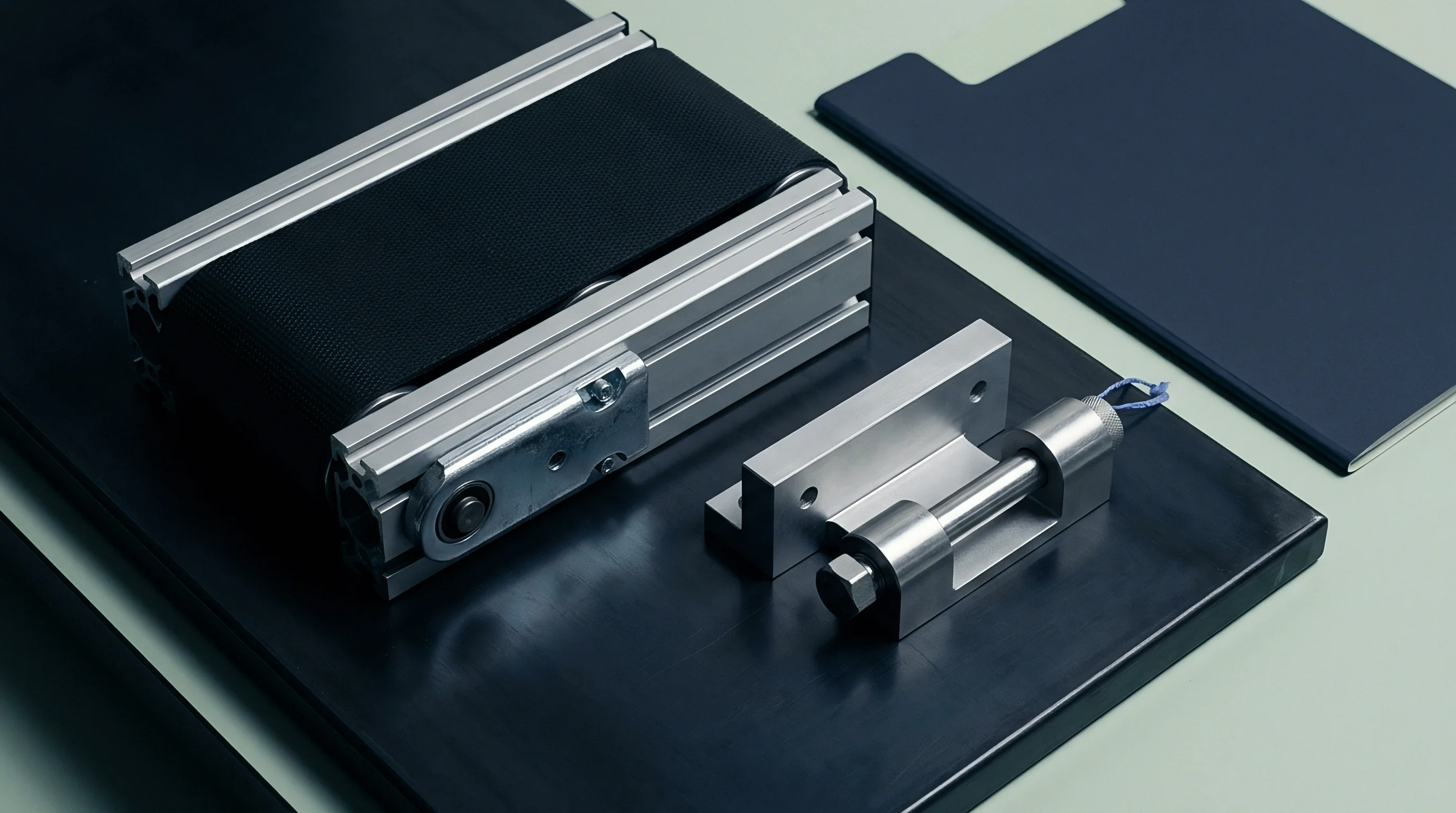
Physical possession of production steel by secondary sub-tier facilities creates operational risk when access control routines lapse. Foreign component buyers must maintain continuous physical audit mechanisms to confirm asset locations, verify maintenance conditions, and monitor actual production shot counts.
Which Verification Procedures Prevent Commercial Retention Liens?
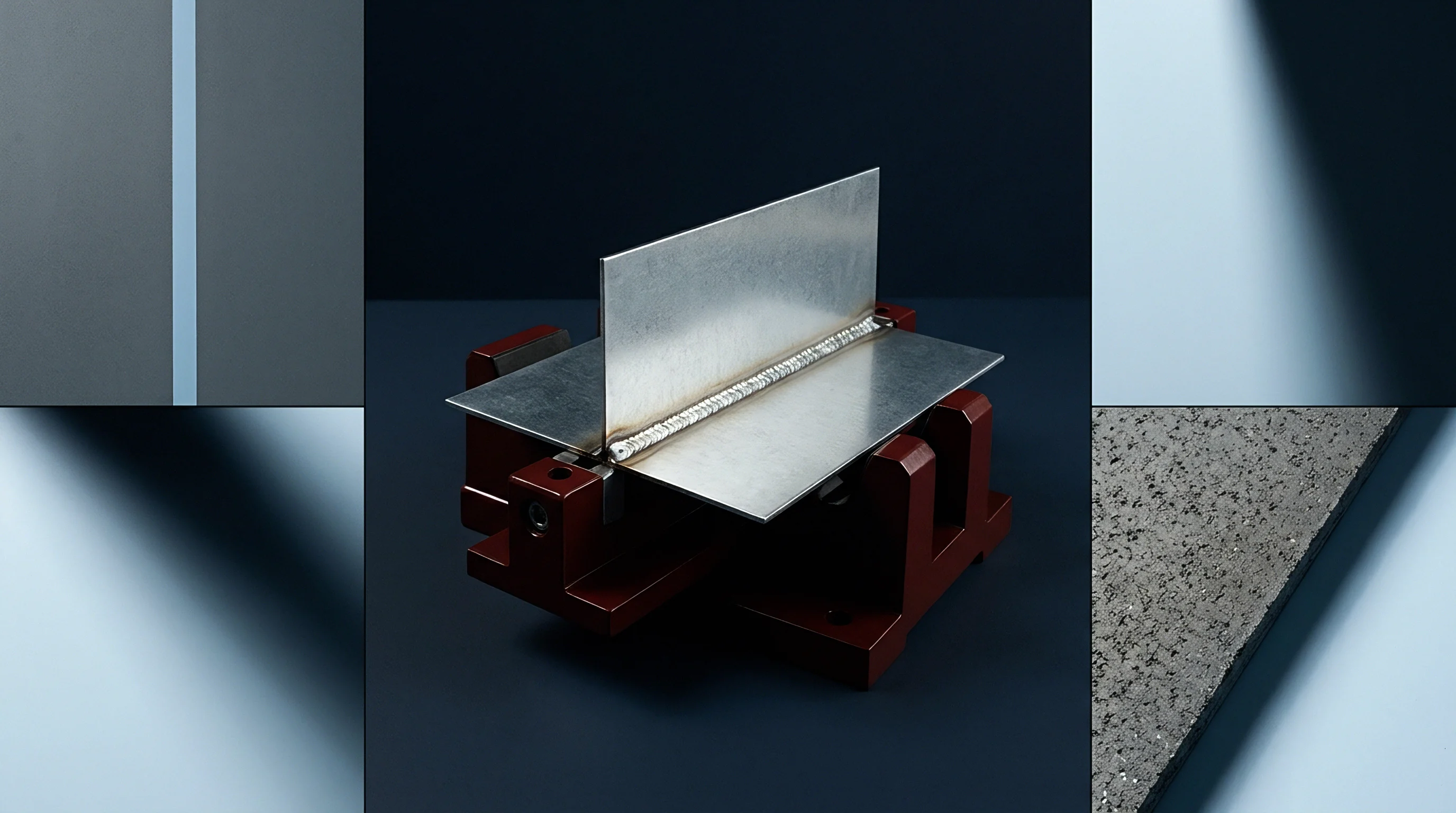
Physical access to sub-tier manufacturing floors remains the primary operational defense against unauthorized tool movement. Field audit terms contractually mandate unannounced quarterly floor access for foreign engineering inspectors. Inspectors check bolster plates, verify physical asset tag integrity, inspect cavity wear patterns, and review machine parameter logs.
Physical audits prevent silent transfers. Sensors record tool motion. Production logs verify volume.
Auditors cross-reference physical production output against authorized purchase order volumes to detect unauthorized third-party production runs. Secondary sub-tier workshops using foreign-owned high-cavity steel tools for non-contract commercial runs accelerate tool wear and compromise dimensional tolerances.
Physical Audit Protocols and Remote Monitoring
Automated shot counters integrated into mold cores provide immutable records of production volume. Tamper-evident mechanical counters and cellular telematic monitoring modules installed inside secondary bolster structures transmit real-time stroke counts directly to foreign engineering teams. Telematic loggers record thermal cycles and physical displacement events, immediately alerting buyers if tooling leaves designated workshop coordinates.
Telematics reveal unauthorized runs.
- Inspect external bolster plates for permanent engraved asset numbers and ownership plates upon entering the sub-tier facility floor.
- Record high-resolution digital photographs of core inserts, cavity surfaces, slide mechanisms, and ejector pin arrays under direct lighting.
- Verify counter physical seals and record mechanical counter cycle readings against baseline registration records.
- Cross-reference physical machine counter logs against sub-tier shift production sheets and dispatch delivery receipts.
- Obtain signed physical inspection receipts endorsed by the sub-tier factory legal representative before exiting the facility.
Unannounced quarterly floor inspections reduce unauthorized sub-tier production runs by seventy-four percent across multi-cavity plastic injection tooling setups.
Maintaining direct physical access to sub-tier manufacturing floors preserves asset control far more effectively than legal notices sent after factory doors have locked.

Amortization
Financial structures used to pay for custom tooling fabrication decide legal title allocation across sub-tier manufacturing operations. Upfront direct payment structures create immediate asset ownership, while part-price amortization schedules generate legal ambiguity that sub-tier vendors exploit during commercial defaults.
Part Price Amortization Mechanics
Financing custom production steel through piece-rate unit markups creates immediate ambiguity regarding ownership transfer timing. Intermediate vendors frequently add tooling amortizations into part unit purchase orders. Under PRC commercial law, amortized tooling costs allow secondary sub-tier fabricators to claim title stays with the workshop until agreed target component production volumes are fully fulfilled.
Amortization blurs legal title. Upfront payments clarify title.
Direct payment made by foreign buyers against separate tooling invoices yields clean, unencumbered ownership title from the day of initial mold commissioning. Direct wire payment receipts displaying explicit tooling asset reference numbers serve as conclusive financial proof in Chinese court proceedings.

Refurbishment Capital Allocation across Lifecycle
Maintenance expenditures incurred during extended production runs require clear contractual division between wear parts and structural bolsters. Continuous high-speed stamping and multi-cavity plastic molding induce mechanical stress, causing dimensional degradation of cavities, core pins, and runner channels over extended operational life cycles. Tool steel degrades continuously.
Contracts must state whether secondary sub-tier facilities absorb minor refurbishments as standard overhead costs or invoice foreign buyers for major cavity overhauls. Disagreements over refurbishment cost allocations lead sub-tier vendors to detain tools until disputed maintenance invoices are settled.

Worked Amortization Capital Analysis
Consider a custom 4-cavity hardened H13 tool steel injection mold fabricated for an automotive sub-component, costing $88,000 to manufacture. A foreign buyer evaluates two commercial payment options:
Under Option A, the buyer pays $88,000 upfront against a dedicated tooling invoice, executing a formal bailment contract with the sub-tier molder. Under Option B, the buyer amortizes $88,000 over an initial production run of 220,000 components by adding a $0.40 premium per part onto the baseline component price of $1.10, yielding a final piece-rate price of $1.50 per part.
If the primary vendor goes bankrupt after completing 110,000 units, Option B leaves $44,000 in unamortized tooling capital balance. The sub-tier workshop retains physical custody, refusing asset release and asserting a possessory lien for the unpaid $44,000 balance plus setup overhead. To regain the physical mold under Option B, the foreign buyer faces a $44,000 buyout cost plus estimated local legal fees of $25,000, alongside an estimated 12-week production stoppage.
Option A preserves unencumbered title from day one. Upon primary vendor bankruptcy, the foreign buyer presents bank transfer records and bailment documentation directly to the municipal court, securing emergency repossession orders within three weeks at a legal cost of $12,000 and avoiding the $44,000 capital buyout entirely.
| Steel Grade | Typical Shot Life | Maintenance Trigger Interval | Average Refurbishment Cost | Asset Residual Ownership Allocation |
|---|---|---|---|---|
| P20 Pre-hardened | 100,000 to 250,000 cycles | Every 25,000 cycles | $4,500 per overhaul | Depreciated fully at end of life |
| H13 Premium Tool Steel | 500,000 to 1,000,000 cycles | Every 50,000 cycles | $12,000 per overhaul | Retains 30% structural salvage value |
| S136 Stainless Steel | 750,000 to 1,500,000 cycles | Every 75,000 cycles | $15,500 per overhaul | Retains 40% structural salvage value |
Funding sub-tier tooling through part-price amortization without volume guarantees results in complete loss of asset control and mandatory financial buyouts during early contract terminations.

Insolvency
Secondary sub-tier facilities operating in competitive industrial clusters face insolvency risk during economic downturns. When sub-tier vendors enter liquidation proceedings, physical assets located within workshop premises face immediate judicial attachment by local municipal courts.

Enforcement of Property Reclamation Rights
Article 30 of the PRC Enterprise Bankruptcy Law governs the recovery of third-party assets from bankrupt commercial entities. Liquidators take immediate possession of all physical equipment situated inside insolvent facilities upon formal court acceptance of bankruptcy filings. Foreign property owners must submit formal property reclamation applications ( quhui quan ) to the appointed bankruptcy administrator to segregate foreign-owned steel from the general liquidating bankruptcy estate.
Insolvency freezes factory assets. Liquidators inventory all machinery.
Reclamation petitions require verifiable documentation proving absolute foreign ownership prior to bankruptcy commencement dates. Liquidators reject claims supported only by informal email correspondence or unverified purchase orders.
Mitigating Creditor Seizure Risks
Secured lenders and local commercial creditors frequently obtain pre-litigation court orders to seal workshop premises during default disputes. Unmarked foreign steel toolings stored inside defaulted sub-tier workshops face immediate court attachment. Court seals stop production.
Quick petitions secure release.
To release attached tooling, foreign owners submit verified bailment contracts, explicit bank transfer receipts, physical asset photographic registers, and engraved serial number matches to the handling judicial officer.
- Bilingual bailment recordation executed with the sub-tier company legal seal ( gongzhang ) establishes undeniable foreign title before municipal liquidators.
- Third-party chattel mortgage registration filed with the SAMR registry prevents bank creditors from including steel dies in general factory collateral pools.
- Direct payment proof to toolmakers demonstrates total capital expenditure settlement independent of primary vendor accounts.
- Serial-matched physical inspection photos provide judges with immediate visual identification during emergency asset segregation hearings.
Municipal bankruptcy courts refuse asset reclamation petitions that lack direct bank transfer records matching the specific serial numbers of disputed steel moulds.
The extent to which municipal bankruptcy administrators will honor foreign repossession petitions during regional economic restructuring programs remains uncertain across central inland provinces.
Extraction
Executing physical extraction of custom production steel from non-cooperative secondary sub-tier facilities represents the final operational step in supplier offboarding or emergency recovery. Physical recovery operations demand simultaneous execution of legal, logistics, and administrative procedures within local provincial jurisdictions.
Physical Tooling Removal Mechanics
Extracting heavy steel dies from non-cooperative sub-tier facilities requires synchronized legal, administrative, and transport logistics. Sub-tier workshop managers frequently deploy physical blockades or refuse gate access to transport cranes hired by foreign asset owners. Gatekeepers block rigging trucks.
Police enforce court orders.
Armed with final municipal court repossession orders, foreign legal teams request execution assistance from local police ( gongan ) units and court bailiffs. Court enforcement officers enter premises, remove physical blockades, and oversee crane rigging operations to load steel components onto transport vehicles.
Cross-Border Re-Export and Local Transfer Tax
Moving production steel across administrative boundaries or out of Chinese customs territory triggers regulatory documentation audits. Transferring tooling to an alternative domestic sub-tier facility requires updated bailment schedules, revised tax records, and clean transport receipts. Customs demands import records.
Re-exporting production steel out of mainland China requires presenting original customs import documentation or proving full domestic value-added tax payments made during domestic tooling fabrication. Customs authorities seize outgoing freight shipments if physical serial numbers fail to match export declaration paperwork exactly.
- Original commercial invoice for steel procurement proves total historical purchase value for domestic customs valuation officers.
- Tax clearance certificate from local tax bureau verifies that all domestic sales taxes on tooling fabrication were fully remitted.
- Decommissioning inspection report certifies that tool removal causes no structural damage to sub-tier factory building infrastructure.
- Re-export customs declaration form aligns physical asset numbers with official outbound freight manifests.
Logistics teams completing physical extraction must immediately update master serial registers and transport steel directly to bonded warehouse space before initiating secondary factory qualification.