Purchase Money Security Superpriority Execution Timelines in Equipment Finance
Superpriority equipment filings under UCC Section 9 324 require perfected UCC 1 statements filed within twenty days of physical delivery to defeat blanket liens.


Anchor

Statutorily Priority Mechanics under Uniform Commercial Code Section 9 324
Commercial lenders providing capital for heavy machinery operate under strict statutory sequencing. Uniform Commercial Code Section 9 324 grants a purchase money security interest preference over existing security filings that contain broad after-acquired property terms. Achieving this elevated status requires absolute compliance with filing procedures and physical delivery records.
Lenders who finance capital equipment must secure their interest before or within twenty calendar days after the borrowing entity receives physical possession of the specified assets.
The rules governing commercial equipment diverge significantly from those applied to raw materials or resale items. Equipment financing does not require prior written notification to existing secured parties holding floating liens. The statute assumes that capital additions expand the asset base of the business rather than exhausting existing inventory lines.
This structural distinction eliminates the burden of serving formal intercreditor notices before funding occurs, provided the timeline remains intact.

Non Inventory Classification and Blanket Lien Defeat
Securing superpriority status requires precise legal categorization at the time the security agreement attaches. Assets used in operations, such as CNC machining centers, injection molding presses, or industrial stamping lines, qualify directly as equipment under Section 9 102. If an asset is held for lease or resale, it reverts to inventory status, triggering the far more complex notification rules under Section 9 324 b.
Equipment financiers verify the operational intent of the machinery through site audits and corporate charter review before executing loan documents.
Filing a financing statement on day twenty one transfers priority to the senior blanket lienholder regardless of funding intent.
When a borrower grants a general blanket lien to a working capital lender, that lien automatically attaches to all incoming capital assets through after-acquired property clauses. The purchase money mechanism functions as an exception to the first-to-file rule set forth in Section 9 322. Failure to perfect within the statutory window allows the existing blanket filing to leapfrog the equipment lender, locking the capital provider into a subordinate position.
Paragraph 4 b of the Master Lease Agreement binds the commencement date strictly to bill of lading execution rather than final site acceptance.


Clock
Defining Debtor Possession across Assembly and Commissioning
Determining the exact moment when the twenty-day statutory timer begins represents the central operational risk in equipment finance. Courts consistently interpret physical possession as the date the debtor gains physical control over the asset, rather than the legal title transfer date or loan closing date. When a multi-stage manufacturing line arrives at a plant in separate shipping crates over several weeks, determining the initial possession date becomes complex.
Lenders often mistake operational readiness for physical receipt. A complex automated assembly system may sit on a factory floor for two months while technicians wire control panels, calibrate optical sensors, and perform test runs. The legal statutory clock does not wait for final commissioning or sign-off certificates.
Physical delivery of the initial structural components capable of being identified to the contract starts the statutory calculation.
Consider a practical scenario involving a forty-tonne hydraulic press valued at eight hundred thousand dollars shipped from a manufacturer to an automotive parts plant. The main frame arrives on site on October 1. Supporting hydraulic pumps arrive on October 10.
Electrical control cabinets arrive on October 15. System integration finishes on November 5, with formal acceptance signed on November 10. The twenty-day window begins on October 1 upon physical delivery of the main frame.
Filing a UCC-1 financing statement on November 12 leaves the lender exposed to senior blanket liens filed years prior.
| Event Trigger | Physical Location | UCC Jurisprudence Interpretation | Superpriority Exposure Level |
|---|---|---|---|
| Bill of Lading Issuance | Port of Departure | Constructive possession only; does not start timer | Protected |
| First Component Delivery | Receiving Bay Floor | Starts twenty-day clock for integrated systems | Critical Risk Window |
| Final Crate Offloading | Factory Floor | Confirms physical custody of complete assembly | High Risk Window |
| Mechanical Assembly | Production Line | Irrelevant to statutory possession definition | Default Exposure if Unfiled |
| Commissioning Sign-Off | Operating Plant | Purely contractual; invalid as statutory defense | Lien Loss Definite |

Physical Receipt versus Operational Sign Off
Disputes frequently arise when equipment is delivered under a sale-on-approval or trial agreement. Borrowers argue that possession as a debtor only occurs when the final purchase option is exercised. Federal circuit courts largely reject this distinction, holding that physical custody by a prospective debtor initiates the twenty-day clock.
Financiers protecting their capital file the UCC-1 financing statement before the equipment leaves the warehouse, neutralizing any argument over when trial periods transition into binding debt commitments.
Lease structures present identical timeline risks. True leases fall under Article 2A of the Uniform Commercial Code, yet sophisticated equipment lessors file precautionary UCC financing statements pursuant to Section 9 505. If a court later recharacterizes a lease intended as security as a disguised security interest, the precautionary filing acts as the perfection mechanism.
Missing the twenty-day window based on the belief that ownership remains with the lessor exposes the asset to the lessee’s general creditors.
The statutory timer starts when metal touches the plant floor rather than when software completes self diagnostics.
Time management across legal, underwriting, and operations desks demands clear handoffs. The loan officer collects serial numbers during pre-funding analysis. The legal team prepares the UCC-1 financing statement.
Logistics tracks the freight carrier. The operational desk confirms offloading. Synchronization across these four functions prevents statutory forfeiture.
Early filing prior to delivery remains the only absolute shield against possession disputes on the factory floor.


Dispatch

Cross Border Logistics and Customs Warehouse Transfer Points
Global machinery supply chains introduce intermediate custody transfers that complicate execution schedules. Equipment manufactured in overseas facilities moves through ocean carriers, customs bonded warehouses, inland rail hubs, and regional staging facilities before reaching the borrower’s facility. Each transfer point generates documentation that opposing creditors examine during priority litigation.
Customs bonded storage represents a crucial legal distinction. Equipment held in a bonded warehouse under the custody of customs authorities is not in the physical possession of the borrowing entity for Article 9 purposes. The borrower lacks physical control to operate, mortgage, or integrate the machinery into production.
Possession transfers when the customs entry clears and the freight forwarder delivers the machinery to the borrower’s designated facility.

Which Delivery Documents Establish the UCC Twenty Day Clock Start?
Paper records determine legal outcomes when priority claims reach courtrooms. Lenders verify delivery timestamps by cross-referencing three distinct shipping records generated during logistics transit.
- Carrier Straight Bill of Lading showing consignee address, trailer number, and date stamp at the destination unloading dock.
- Material Receipt Report signed by the plant floor receiving manager explicitly listing chassis serial numbers and timestamped hour of arrival.
- Customs Form 7501 Entry Summary documenting official release from federal custody into domestic commerce.
- Equipment Acceptance Certificate executed by the chief operations officer confirming physical presence on site.
- Third party rigging report recording crane offloading times and physical positioning inside the manufacturing bay.
Section 9 102 defines possession by physical control of the asset rather than title transfer under international commercial terms.
International Commercial Terms complicate legal interpretation if financing agreements confuse risk of loss with statutory possession. Under Incoterms such as Free Carrier or Delivered at Place, title and risk of loss may pass while the machinery remains on a cargo vessel in international waters. UCC Section 9 324 relies strictly on physical custody within the jurisdiction of the filing office.
Freight forwarders often report that ocean freight delays and customs holds are cited by suppliers to excuse late documentation transfer while the clock runs unabated.


Dock
Factory Floor Offloading and Serial Code Verification
Receiving docks serve as the primary audit point for equipment security execution. Physical inspection must confirm that delivered hardware matches the exact descriptions in the security agreement and financing statement. Serial numbers, model designations, and subcomponent tags require precise alignment before funds release.
Discrepancies in serial numbers invalidate the public notice function of a UCC filing. If a UCC-1 lists a press frame serial number as 8849-A, but the physical plate reads 8849-B, competing secured creditors can successfully challenge the perfection of the lien. Serial number audits happen at the receiving bay while the machinery remains on the offloading skid.
| Inspection Phase | Physical Verification Requirement | Record Document | Priority Risk Target |
|---|---|---|---|
| Bay Entry | Photograph physical chassis plate showing serial code | Stamped Receiving Record | Mismatched Asset Identifier |
| Uncrating | Inspect component breakdown against packing list | Bill of Lading Attachment | Omitted Auxiliary Hardware |
| Positioning | Log GPS coordinates and plant bay identifier | Field Audit Sign-Off | Location Mismatches on UCC-1 |
| Pre-Funding | Cross-reference UCC filing timestamp with dock log | County/State Filing Stamp | Filing Date Exceeding Twenty Days |
Inspection Routines at the Receiving Bay
Operational breakdowns during receiving expose lenders to severe legal vulnerabilities. Failure to capture precise arrival records creates evidentiary gaps that general corporate bankruptcy trustees exploit during preference litigation.
- Unstamped Delivery Bills ~ Logistics clerks sign delivery receipts without time stamps or component breakdown details.
- Commingled Assembly Crates ~ Auxiliary chillers arrive separately from the main chassis without cross-referenced serial tags.
- Premature Power On ~ Software installation logs register operational startup prior to filing verification.
- Delayed Intercreditor Signatures ~ Subordination agreements sit unsigned past the statutory window when delivery dates shift.
Documenting physical condition at entry protects against valuation write-downs during default recovery. Receiving teams capture high-resolution imagery of serial plates, engine blocks, control cabinets, and physical damage prior to installation. These records form the core evidentiary dossier maintained in the loan servicing file.
Equipment finance documentation living in an email draft offers zero standing against an aggressive asset based lender.
Loss of PMSI superpriority forces the lender into a junior position, reducing recovery rates in bankruptcy to general unsecured levels.


Lien
Search Routines and Blanket Subordination Mechanics
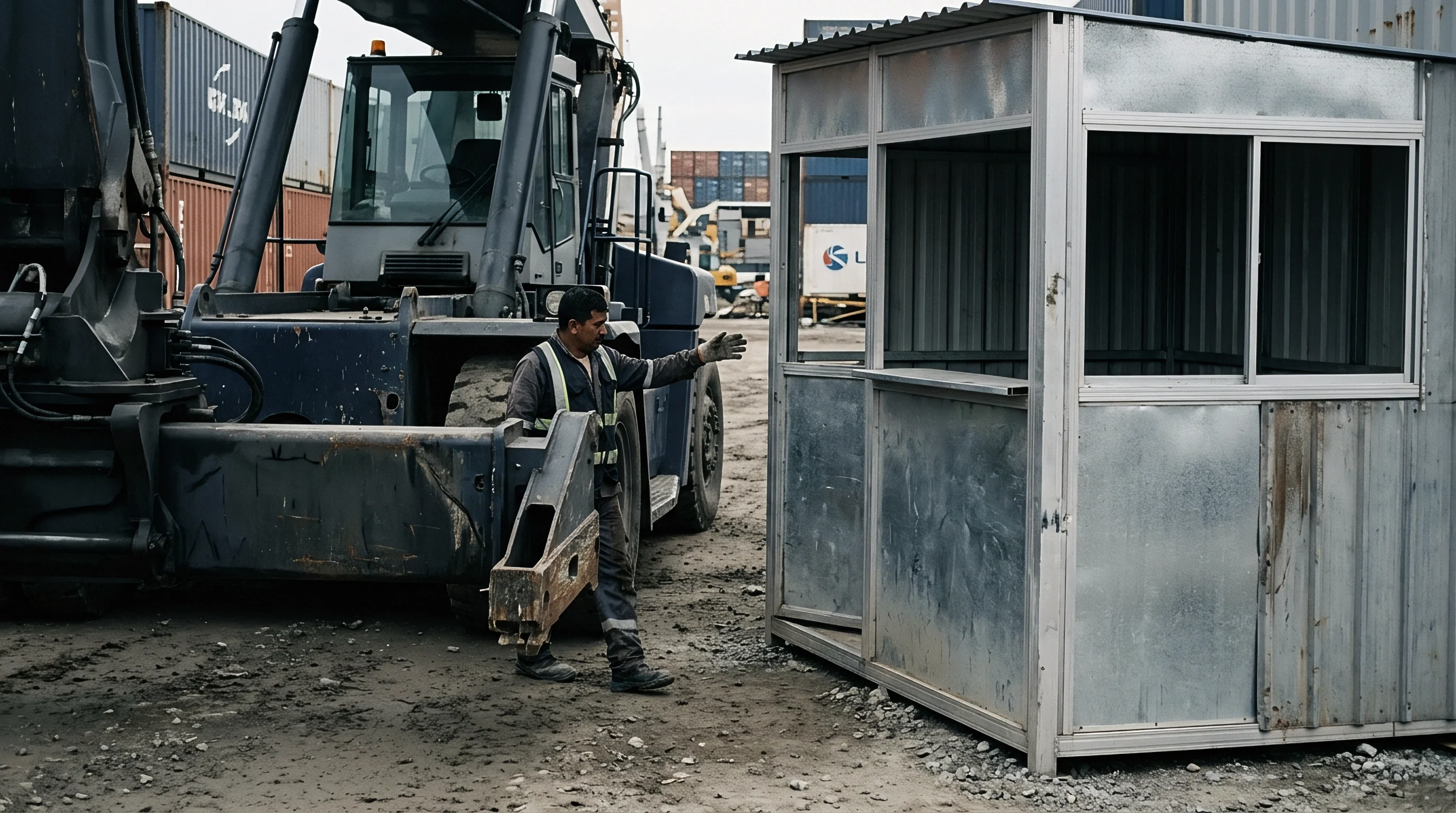
Conducting rigorous lien searches represents the foundational step before closing any equipment financing transaction. A complete search profile targets the exact legal name of the debtor as registered in its state of organization, adhering strictly to the standard search logic of the relevant Secretary of State office. Individual trade names, DBAs, and informal acronyms fail to surface senior encumbrances, leaving financing institutions vulnerable to undiscovered filings.
When searching reveals prior blanket UCC filings covering after-acquired equipment, financing teams analyze the exact scope of the collateral descriptions. Most working capital lenders employ broad language covering all personal property, equipment, fixtures, and proceeds. Rather than relying solely on the statutory twenty-day window under Section 9 324, prudent financiers execute formal intercreditor subordination agreements with existing blanket lienholders.
Intercreditor Agreements under Slipped Execution Windows
Intercreditor agreements contractually alter statutory priority outcomes. A well-drafted subordination agreement commits the senior blanket lender to carve out the specific financed equipment, its replacement parts, software licenses, and direct insurance proceeds. This contractual priority survives even if the equipment lender misses the statutory twenty-day UCC filing window through operational oversight.
Subordination negotiations require clear boundaries around replacement assets and software access rights. Capital equipment increasingly relies on proprietary embedded software to function. Without contractual rights to access control code and diagnostic tools, a secured equipment lender holding top priority over physical steel cannot repossess or resell an operational asset after default.
Subordination agreements must grant the equipment lender a direct license to use embedded software during recovery operations.
Whether courts will eventually standardize digital telematics logs as conclusive proof of physical possession remains an open debate across commercial finance jurisdictions.

Remedy

Post Default Enforcement and Equipment Recovery Workflows
Enforcing a superpriority security interest requires rapid execution when a borrower defaults on loan terms. Secured equipment lenders holding perfected Section 9 324 priority possess the legal right to take possession of the collateral under Section 9 609, provided repossessions occur without a breach of the peace. Superpriority positioning isolates the equipment lender from broader intercreditor disputes, allowing direct asset recovery independent of general bankruptcy stays when relief is granted.
Repossession logistics demand clear planning. Heavy industrial machinery attached to plant infrastructure requires specialized rigging, utility disconnections, and heavy haul transport. If an asset constitutes a fixture under Section 9 334, the lender must review real estate mortgages to verify fixture filing priority over building owners or mortgagees.
Fixture filings filed in county land records before items are affixed to real property protect the lender against competing real estate encumbrances.
Lease Structuring and Title Retention Mechanics
Equipment finance execution relies on systematic protocols established prior to equipment disbursement. Financing institutions maintain strict operational checklists to prevent statutory timeline failures.
- Immediate UCC Filing ~ File the UCC-1 financing statement prior to equipment loading at the overseas port.
- Serial Number Matching ~ Validate serial numbers on invoice, bill of lading, and physical chassis before releasing funding.
- Delivery Date Certificates ~ Require signed certificates of delivery specifying exact arrival timestamps at the plant.
- Automatic Lien Searches ~ Run post-filing UCC searches within thirty days to confirm priority positioning against prior liens.
Capital lease documentation must incorporate clear default remedies, including acceleration of lease payments, immediate repossession access, and recovery of legal costs. When title retention clauses exist in purchase contracts, Article 9 treats the retained title as a reserved security interest. Execution routines convert those retention clauses into perfected public filings, ensuring asset priority holds firm across all liquidations, workouts, and restructuring scenarios.