Polymer Creep Compliance Testing under Elevated Temperature Environments
Verify polymer creep compliance with elevated temperature non-contact extensometry to prevent field seal failures and unpredicted structural component deformation.


Regime
Tensile stress applied to a thermoplastic component at ambient conditions produces immediate elastic deformation followed by slow molecular rearrangement. When working temperatures rise toward the glass transition point, molecular mobility accelerates exponentially, multiplying the rate of dimensional change under continuous mechanical load. Engineering teams frequently design structural housings, pressurized fluid couplings, and under-hood brackets using static tensile modulus values selected directly from raw material technical datasheets.
Those room-temperature values misrepresent real performance. At sustained temperatures between 50 and 120 degrees Celsius, polymers exhibit time-dependent viscoelastic deformation that permanently alters component geometry over hundreds or thousands of operating hours.
Creep compliance quantifies this phenomenon by tracking the ratio of time-dependent strain to constant applied stress. The value represents the reciprocal of the apparent creep modulus, increasing steadily as the polymer chains disentangle, slide, and align with the axis of tension. Secondary creep dominates product life.
In this steady-state regime, the strain rate reaches a quasi-constant minimum where designers must predict dimensional clearance, seal retention force, and thread preload. If internal stresses remain uncalculated, assemblies seize, O-rings lose compression, and snap-fit joints uncouple under service conditions that never exceeded thirty percent of the material’s nominal yield strength.
Creep compliance at eighty degrees Celsius frequently exceeds room-temperature values by a factor of four within two hundred hours of continuous load.
Viscoelastic response divides into three distinct behavioral zones under elevated thermal conditions. The linear viscoelastic zone occurs at low stress levels where compliance remains purely a function of time and temperature, independent of stress magnitude. As mechanical loads climb past material-specific thresholds, nonlinear viscoelastic behavior takes over, causing the creep rate to accelerate disproportionately relative to applied stress.
Tertiary creep follows, characterized by localized void formation, crazing, necking, and rapid mechanical rupture. Determining the transition boundary separating linear compliance from nonlinear acceleration dictates whether accelerated lifetime modeling yields actionable engineering data or mathematical fiction.
Tension uncoils the polymer backbones. In amorphous polymers like polycarbonate or polysulfone, elevated temperatures expand free volume, lowering the energetic barrier for macromolecular segment rotation. In semicrystalline polymers such as polyamide, polybutylene terephthalate, and polyoxymethylene, the amorphous phase softens above the glass transition temperature, transferring mechanical burden directly to crystalline lamellae and tie molecules.
Unfilled polyamides operating above their glass transition temperature can shed seventy percent of their instantaneous stiffness within forty-eight hours under a modest continuous load of fifteen megapascals.
Static yield strength metrics cannot predict sustained load performance over service lifetimes.

Grip
Physical measurement of tensile compliance under thermal exposure demands continuous mechanical isolation inside a recirculating convection chamber. Standard universal testing frames configured for ambient pull tests fail to capture long-duration elongation accurately because thermal gradients introduce parasitic thermal expansion into load cell readings. Testing hardware designed according to ASTM D2990 or ISO 899-1 isolates the specimen gage length inside an insulated enclosure capable of maintaining spatial temperature uniformity within plus or minus one degree Celsius across test durations exceeding one thousand hours.
Extensometry introduces the largest measurement uncertainty during long-term thermal compliance evaluations. Contact extensometers rely on knife-edge contact springs that exert localized mechanical pressure on the gage length. At elevated temperatures, these contact points bite into the softening plastic, generating artificial stress concentrations, notch sensitivity, and knife-edge slippage that corrupts compliance calculations.
Optical non-contact extensometers, including laser speckle strain sensors and dual-camera video extensometers viewing through multi-pane quartz chamber windows, eliminate physical contact errors entirely while tracking axial displacement with sub-micron resolution.
| Subsystem | Hardware Specification | Operating Limits | Thermal Error Mechanism |
|---|---|---|---|
| Thermal Enclosure | Dual-zone forced convection chamber with digital PID control | Ambient to 250 degrees Celsius; +/- 0.5 C stability | Draft-induced thermal drift across extensometer optical path |
| Load Application | Dead-weight cantilever lever arm with frictionless knife bearings | 5:1 or 20:1 mechanical advantage; 0.1 percent accuracy | Thermal expansion of linkage rods transferring tare weight to specimen |
| Strain Measurement | Telecentric dual-camera video extensometer with LED polarization | 0.5 micron resolution; 50 mm field of view | Convection shimmer distorting boundary target edge detection |
| Specimen Gripping | Pneumatically assisted wedge grips with serrated titanium jaws | Up to 10 kN tensile capacity; self-aligning ball seats | Differential thermal expansion causing jaw loosening or gage crush |
Clamping forces crush hollow specimens. Selecting inappropriate specimen geometry or improper jaw serrations distorts strain distribution before thermal soaking completes. Dumbbell specimens conforming to ISO 527 Type 1A or ASTM D638 Type I require balanced gripping pressure that accommodates lateral Poisson contraction without permitting axial slip.
Wedge grips with mechanical angle compensation automatically tighten as tensile load engages, preventing specimen walkout without inducing premature grip fractures in thermal environments.
- Chamber thermal equilibrium verifies that the specimen, grips, and load linkage reach steady-state target temperature over a minimum two-hour dwell before mechanical loading begins.
- Tare weight zeroing removes gravitational bias caused by extension pull rods and optical target holders prior to coupling the primary load train.
- Shockless load application engages the dead-weight mass within five seconds via a smooth motorized jack screw to suppress transient inertial shock.
- Logarithmic time acquisition captures strain data at fractions of a second during initial loading, transitioning to hourly intervals as primary creep decays into steady-state secondary creep.
- Specimen thermal recovery records residual strain for four times the test duration after unloading to quantify the unrecoverable plastic deformation fraction.
Wedge inserts prevent sample slippage. Machine operators running testing benches in regional testing hubs occasionally cut corners on thermal equilibration cycles to cycle test frames faster across congested commercial queues. Skipping the two-hour thermal soak produces erratic data curves showing negative creep rates during the first ten minutes of test execution as thermal expansion outpaces initial viscoelastic strain.
A testing house that measures compliance using uncooled mechanical extensometers records specimen jaw yield rather than material elongation.
The laboratory manager argued that short soaking times make no practical difference once the chamber air sensor matches the setpoint.


Shift
Accelerated qualification of polymer longevity relies on the time-temperature superposition principle to project decades of mechanical compliance from laboratory runs lasting several weeks. In thermorheologically simple materials, elevated temperature acts as an operational multiplier on molecular mobility, shifting viscoelastic relaxation processes toward shorter timescales without altering the fundamental underlying relaxation mechanisms. Measuring short-term creep compliance across an ascending ladder of stable elevated temperatures allows an engineer to assemble a single unified creep compliance master curve spanning operational lifespans impossible to test in real time.
Construction of the master curve requires measuring compliance curves across discrete isothermal increments, typically spaced five to ten degrees Celsius apart. A reference temperature is selected, representing the intended maximum service environment of the final part. Compliance curves plotted against logarithmic time are subsequently translated along the horizontal time axis using empirical shift factors.
For amorphous polymers evaluated between their glass transition point and fifty degrees Celsius above it, shift factors obey the Williams-Landel-Ferry equation, whereas behavior well below the glass transition point follows an Arrhenius relationship driven by thermal activation energy.
| Polymer Family | Glass Transition (C) | Reference Temp (C) | Shift Equation Model | Activation Energy (kJ/mol) | Validity Horizon |
|---|---|---|---|---|---|
| PA66 (Dry) | 65 | 80 | Arrhenius Sub-Tg / WLF Near-Tg | 210 to 240 | 10,000 Hours |
| PBT (30% Glass) | 55 | 85 | Arrhenius Master Model | 180 to 205 | 40,000 Hours |
| Polycarbonate | 145 | 120 | Williams-Landel-Ferry Model | 310 to 350 | 25,000 Hours |
| PPS (40% Glass) | 90 | 130 | Dual Arrhenius Transition | 260 to 295 | 100,000 Hours |
| Parameters derived from isothermal tensile creep compliance sweeps ranging from 1,000 to 3,600 seconds per temperature increment under linear viscoelastic stress boundaries. | |||||
Glass transitions alter free volume. Shifting data across a phase transition destroys predictive validity because molecular mechanisms fundamentally change when crystalline structures melt or secondary relaxations unlock. Glass-filled semicrystalline polymers introduce additional complexity: while the polymer matrix softens and creeps, the stiff inorganic fibers remain elastic, generating internal shear stress gradients along the fiber-matrix interface.
Over extended durations, fiber debonding, inter-spherulitic microcracking, and matrix micro-voiding invalidate pure time-temperature shift assumptions, resulting in over-optimistic compliance estimates.
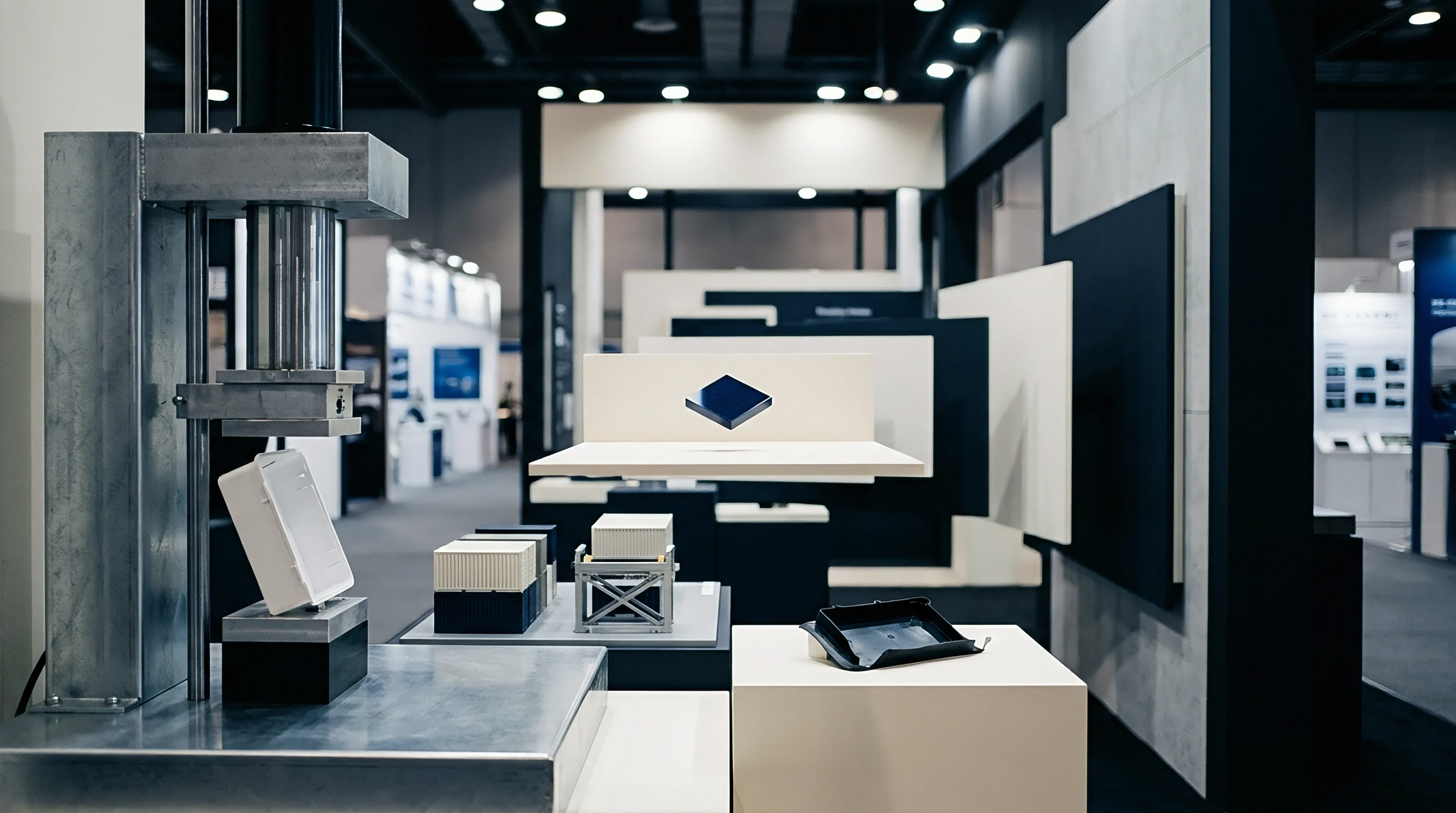
Can Accelerated Tests Replace Multiyear Creep Runs?
Empirical master curves deliver exceptional utility for comparative resin selection, but physical aging introduces systematic errors into long-term compliance projections. Polymers quenched during injection molding occupy a non-equilibrium state characterized by excess free volume and disordered molecular conformations. Over years in the field, polymers slowly undergo structural recovery toward thermodynamic equilibrium, a process known as physical aging.
Physical aging densifies the polymer matrix, increases instantaneous modulus, and suppresses creep compliance over calendar time.
ISO 899-1 requires testing across three distinct stress levels to confirm that measured creep compliance remains within the linear viscoelastic range before time-temperature superposition shift factors are calculated.
Universal curves fail near boundaries. When master curves are constructed using accelerated runs completed over three weeks, the test specimens experience negligible physical aging compared to components sitting in service for ten years. The unaged laboratory sample creeps faster than an aged service part initially, but thermal oxidation and moisture loss simultaneously degrade molecular chains in real operating environments.
Short-term testing fails to capture competitive interactions between physical aging densification, oxidative embrittlement, and hydrothermal degradation occurring across multiyear deployments.
Whether physical aging densification will balance chain scission from long-term hot-oil exposure remains an open engineering question for every unique composite compound.
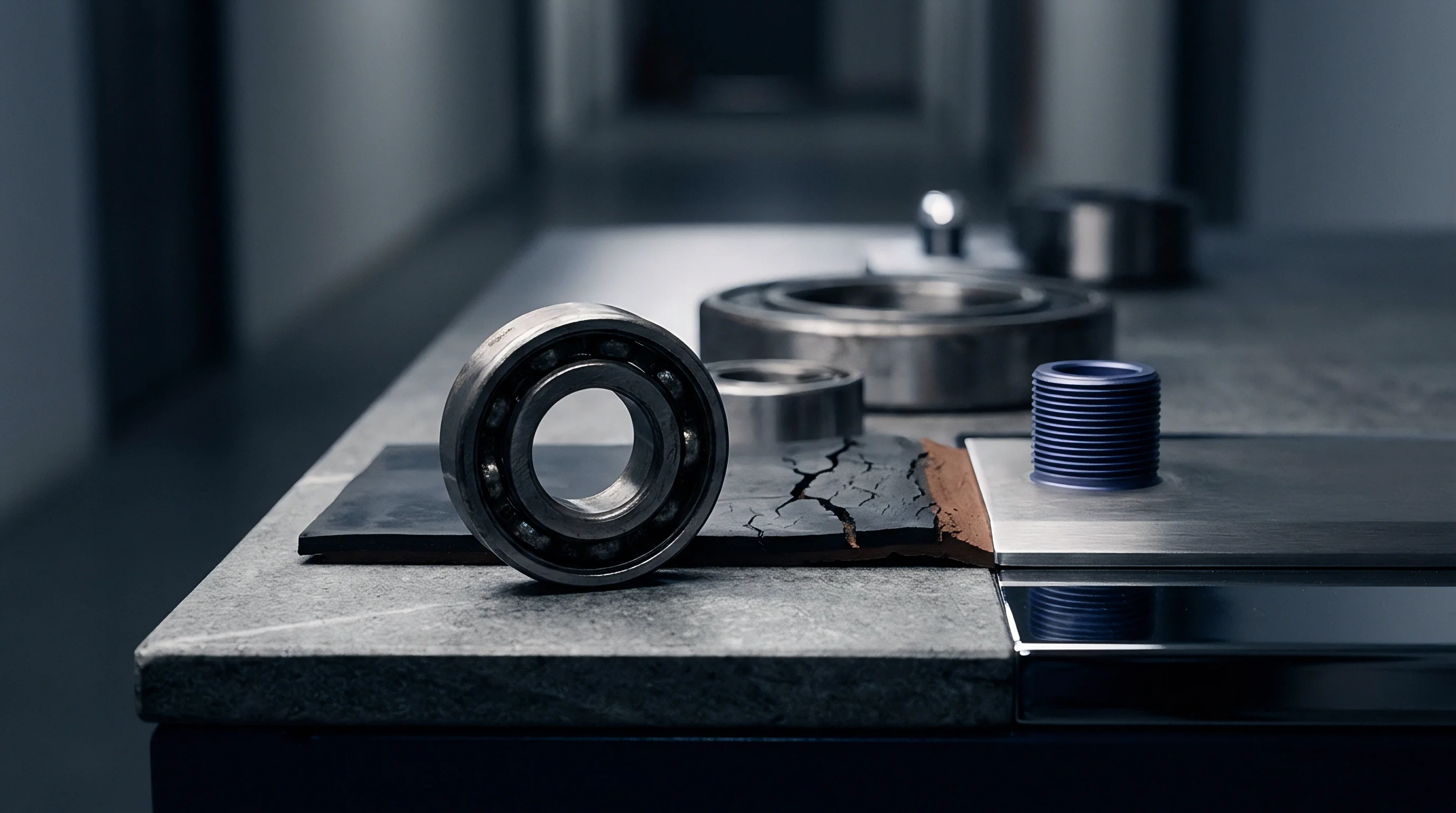
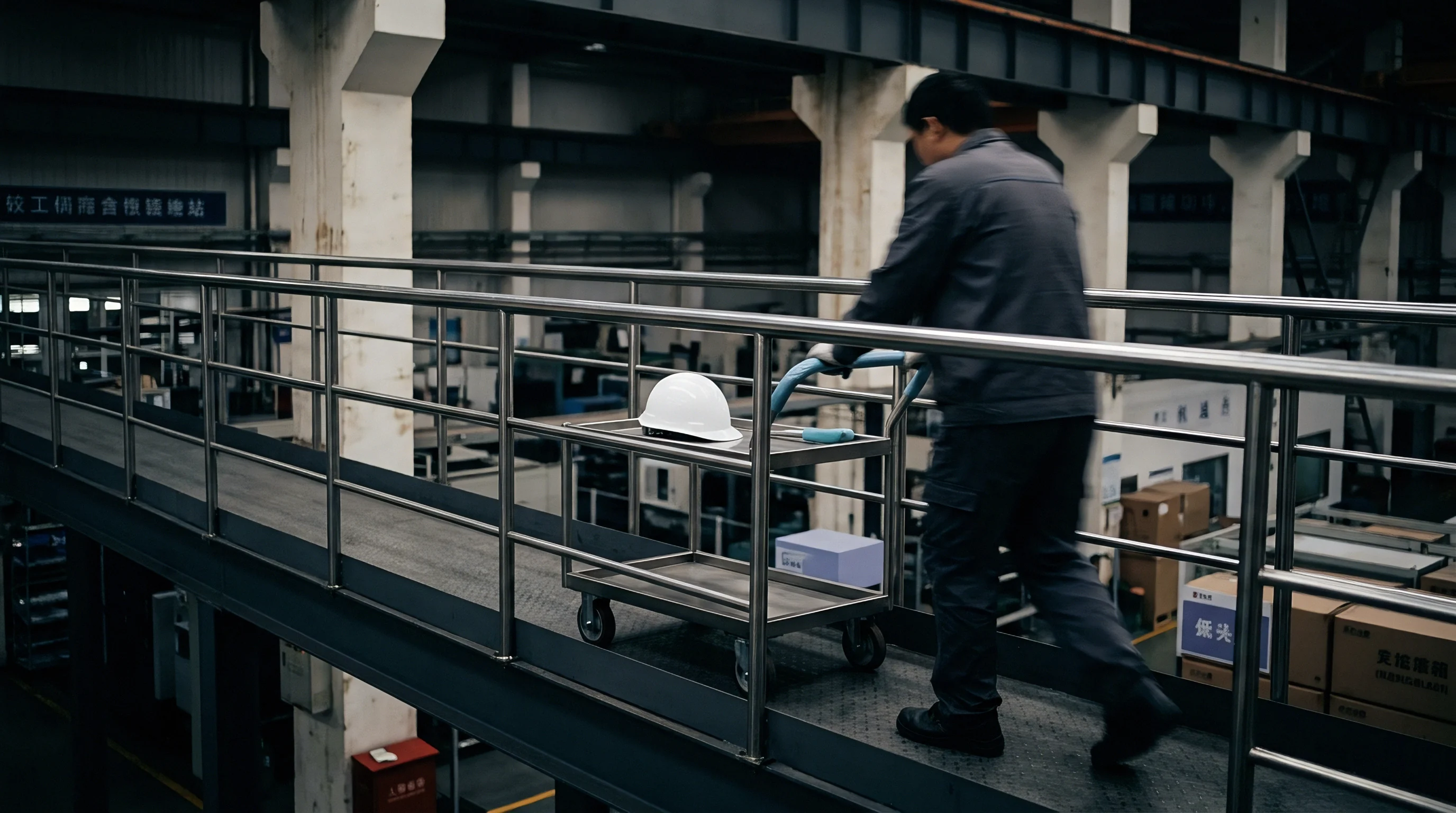
Variance
Resin datasheets provided by compounders rarely disclose the batch-to-batch molecular weight distribution changes that govern creep compliance at elevated temperatures. A resin lot matching the specified melt flow rate can exhibit significantly different elevated-temperature creep behavior if the underlying molecular weight distribution broadens or shifts toward lower oligomeric fractions. Lower molecular weight fractions provide plasticizing effects that depress the glass transition point, accelerating the rate of secondary creep compliance even when room-temperature tensile modulus values meet incoming inspection tolerances.
Tooling managers and injection molding workshops introduce hidden material variability through the uncontrolled incorporation of regrind resin. Sprue, runner, and reject scrap reground and fed back into the hopper undergoes thermal degradation during secondary plasticization cycles. Each thermal pass breaks molecular polymer chains through thermal-mechanical shear, trimming long chains into shorter fragments.
The presence of twenty percent degraded regrind in glass-filled polyamide reduces time-to-rupture at eighty degrees Celsius by more than forty percent, despite producing finished injection-molded components that pass ambient dimension checks and static weight verifications.
- Fiber orientation variation alters directional compliance because polymer melt flowing through narrow gate geometry aligns reinforcing fibers parallel to the flow path, leaving transverse directions unreinforced against creep.
- Moisture saturation state shifts the glass transition temperature of hygroscopic polyamides downward by up to forty degrees Celsius, increasing creep compliance by three hundred percent at identical ambient temperatures.
- Crystallinity percentage determines the volume fraction of rigid crystalline blocks available to pin amorphous chains against elevated-temperature sliding under sustained loads.
- Weld line positioning creates localized planes of molecular misalignment where unentangled polymer fronts fail to develop creep resistance equal to the bulk component core.
Virgin resin carries distinct fingerprints. Gel permeation chromatography and differential scanning calorimetry identify molecular weight distribution broadening and recrystallization anomalies before resin reaches production molds. In volume production, routine checks rarely proceed beyond melt flow rate and basic density tests due to equipment costs.
Suppliers exploit this testing gap by substituting cheaper generic masterbatches, adjusting filler surface treatment silanes, or increasing regrind fractions without updating component documentation.
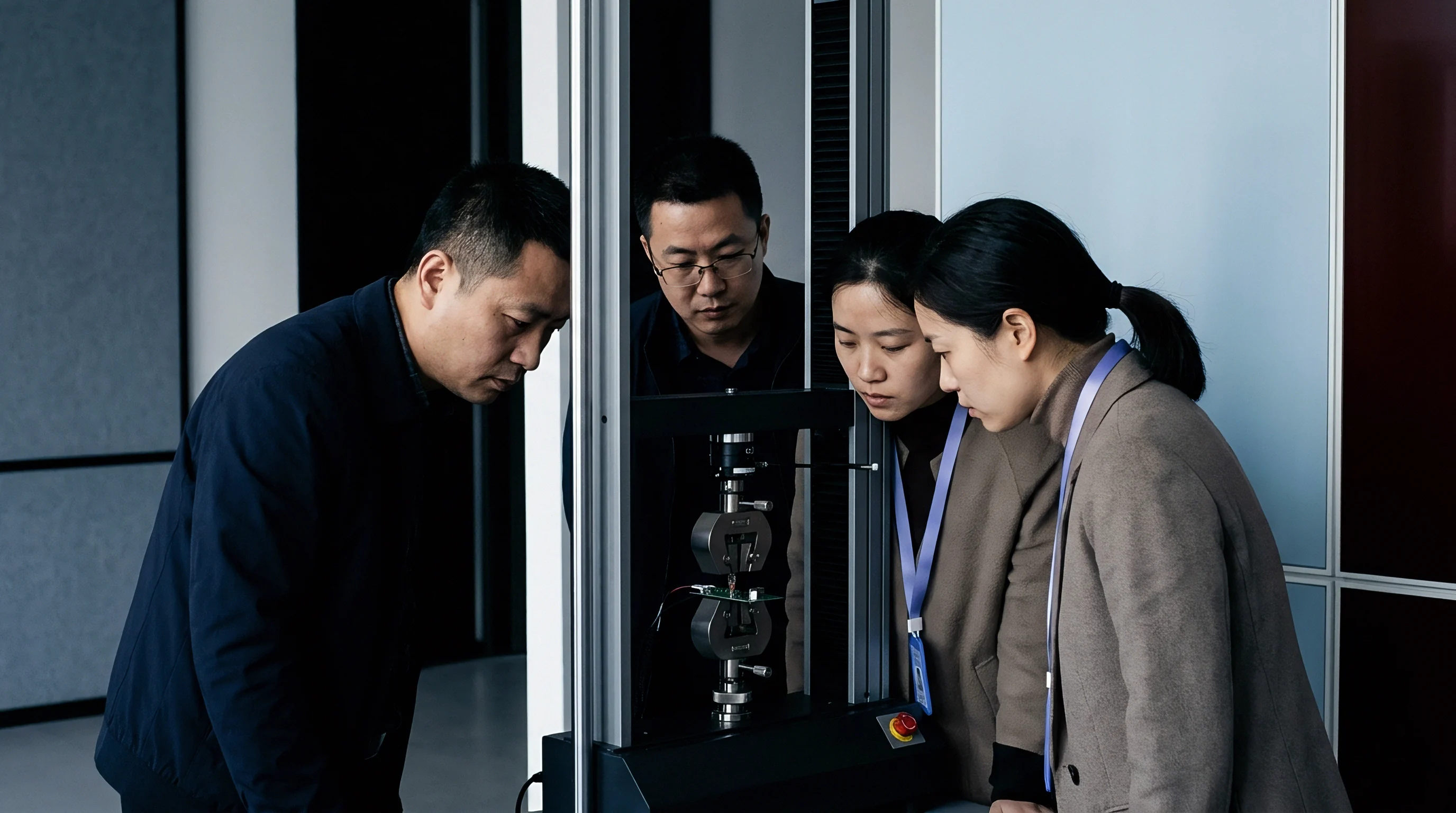
Why Does Thermal History Shift Creep Compliance?
Cooling rates inside injection molding cavities dictate the degree of crystallinity and the final lamellar thickness in semicrystalline engineering polymers. High mold temperatures of eighty to one hundred degrees Celsius encourage slow cooling, maximizing crystalline growth and promoting dense, creep-resistant morphology. Conversely, production floors optimizing cycle times often drop mold temperatures to forty degrees Celsius using chilled water loops.
Rapid freezing locks the polymer chains into a disordered, semi-amorphous state that deforms rapidly when operating temperatures rise in service.
Recycled feedstock lowers molecular weight. The resulting dimensional instability does not surface during pre-shipment inspections conducted at room temperature. Components mount cleanly on the vehicle or industrial assembly line, pass initial functionality testing, and begin to warp only after accumulating operating hours under heat and steady fastener clamping torque.
Cold flow ruins press fits.
Section 8.4 of the raw material procurement agreement mandates that any batch showing a melt flow rate deviation exceeding twelve percent from the qualified baseline resin lot triggers immediate suspension of shipment authorization until full thermal creep compliance verification is completed.
Exposure
Financial liability arising from polymer creep compliance failures concentrates downstream during volume commercial distribution. When an under-hood connector, fluid manifold, or structural latch deforms over months of field operation, the failure mode presents as chronic fluid leakage, intermittent electrical disconnects, or sudden mechanical unlatching. By the time field failure rates hit secondary thresholds, tens of thousands of finished assemblies reside inside wholesale logistics channels, assembly plant inventories, and operational customer equipment.
Consider an operational scenario involving a glass-filled polyamide cooling manifold deployed across automotive engine assemblies. The component experiences continuous internal coolant pressure of 0.25 megapascals at an operating temperature of ninety-five degrees Celsius. Static FEA simulations conducted using room-temperature modulus values predicted less than 0.08 millimeters of radial deflection across ten years of service.
Production tooling proceeded to cut twelve hardened steel molds across two tier-two molding facilities in Zhejiang.
Dimensional drift stalls automated assembly. To accelerate cycle times from thirty-eight seconds to twenty-nine seconds, the factory decreased mold temperatures and introduced fifteen percent post-industrial regrind to offset rising resin pellet costs. Under thermal operating conditions, creep compliance of the molded manifold increased from an anticipated 1.2 square gigapascals reciprocal to 4.8 square gigapascals reciprocal within three hundred hours of continuous operation.
Radial deflection expanded to 0.42 millimeters, exceeding the elastic recovery limits of the internal silicone sealing ring.
Mold recuts drain quarterly margins. Correcting an unpredicted thermal compliance defect during volume manufacturing incurs cascading operational costs. Tooling modification requires pulling multi-cavity injection molds from press platens, welding tool steel inserts, and recalculating core shrinkage offsets.
The manufacturer must commission external accredited creep compliance validation testing to ISO 899-1 across three temperature tiers, demanding six weeks of machine dwell time while production lines idle under contractual delivery penalty clauses.
Unverified certificates guarantee premature fracture. Warranty claims from downstream customers routinely trigger product containment holds, root-cause audits, and product line recalls. Air-freighting corrected resin compounds and revised molded components across ocean transit routes burns tens of thousands of dollars per shipping cycle to prevent customer assembly lines from stopping.
Managing cross-border contract manufacturing demands continuous verification of polymer thermal mechanics at the production line, treating elevated temperature compliance testing not as an academic exercise, but as a non-negotiable gateway for production signoff.
Ignoring elevated-temperature viscoelastic deformation results in permanent component distortion, field seal failures, assembly line shutdowns, and expensive warranty-driven recall campaigns.