Dark Hour Manufacturing Scrap Acceleration Root Cause Analysis
Unattended night shifts accelerate scrap through ambient thermal drops and unmonitored feed changes, requiring real-time PLC telemetry to assign liability.


Shift
Off-shift production runs operating between midnight and six in the morning display systematic scrap rate expansion across automated precision casting, injection molding, and CNC machining operations. Skeleton staffing during dark hours removes senior process engineers who adjust machine parameters when ambient factory temperatures drop. Factory floors without continuous HVAC environmental controls experience internal temperature swings of twelve degrees Celsius between late afternoon and three in the morning.
Tooling dimensions contract, hydraulic fluid viscosity increases, and resin drying hoppers absorb atmospheric humidity during unmonitored operating windows.

Thermal Dynamics in Graveyard Manufacturing
Process equipment calibrated during daylight hours operates under artificial equilibrium. When ambient floor temperatures sink during unattended dark hours, aluminum die-casting machines lose thermal balance at the mold interface. Hydraulic fluid thickens in unheated reservoirs, reducing injection pressure consistency and generating surface flash or internal porosity defects.
Automated cycles running without active thermal compensation drift out of geometric specification within ninety minutes of temperature drop.
Unattended hoppers holding hygroscopic polymers like nylon or polycarbonate draw moisture from factory air when desiccant drying units reach saturation without shift personnel replacing desiccant beds. Injection barrels processing humid raw material produce severe splay, voids, and structural degradation in finished components, driving scrap bin accumulation discovered during morning quality checks.
Tool temperature drops of eight degrees Celsius during unmonitored midnight pauses increase dimension out-of-spec scrap by fourteen percent on precision aluminum die castings.
Operating routines on off-shifts lack the supervisory oversight necessary to enforce standard tooling changeover sequences. Machine operators running multiple lines during dark hours frequently bypass pre-heating cycles after tool clearouts to meet nominal hourly unit counts. Cold die strikes cause immediate carbide insert fracturing and edge chipping, compounding micro-cracks across workpiece batches before automated optical sorting equipment detects dimensional failure at dawn.
| Operating Variable | Daytime Baseline Standard | Dark Hour Unattended Range | Primary Scrap Manifestation |
|---|---|---|---|
| Ambient Floor Temperature | 22.5 Degrees Celsius | 11.0 to 14.2 Degrees Celsius | Dimensional contraction and wall thinness |
| Hydraulic Reservoir Viscosity | 46 cSt Nominal | 68 to 82 cSt Cold Start | Pressure spikes and flash formation |
| Polymer Feed Moisture Content | Less than 0.02 Percent | 0.08 to 0.15 Percent Moisture | Cosmetic splay and tensile strength drop |
| Tool Insert Dwell Time | 1.2 Seconds Fixed | 0.6 to 1.9 Seconds Variable | Burr formation and thread stripping |
Factory management routinely attributes dawn scrap spikes to incoming raw material lot inconsistency rather than untracked temperature changes on the secondary line.
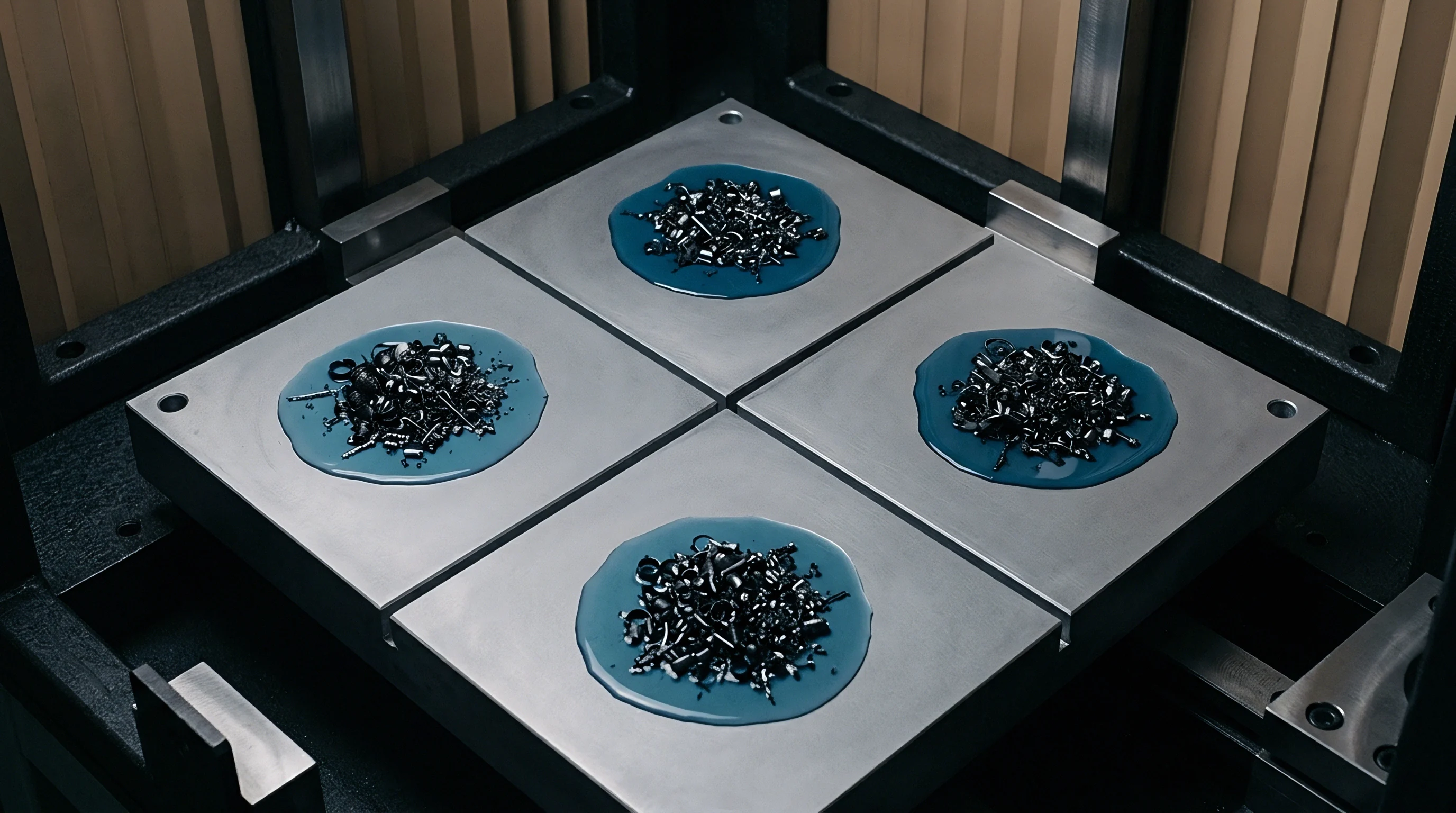

Drift
Unattended machinery experiences progressive mechanical and operational deviation when closed-loop sensor feedback fails to override manual control overrides set by graveyard personnel. Line workers managing multiple automated cells during dark hours often widen sensor alarm thresholds to suppress audible alerts, allowing degrading processes to continue running. Machine controllers continue cycling raw stock through damaged dies, worn spindles, and misaligned fixture clamps until physical jam conditions halt the conveyor.

Can Unmonitored Thermal Cycles Drive Midnight Reject Rates?
Fluctuations in factory power grid voltage occurring during off-peak hours alter spindle drive output speeds on heavy industrial machinery. Substation switching events between one and three in the morning introduce minor frequency variations that cause servo positioning errors on multi-axis milling heads. Spindle chatter marks appear on polished metal surfaces.
Without automated power conditioning units, feed rates fluctuate relative to tool rotation speeds, causing micro-grooves and dimensional tolerances to breach drawing boundaries.

Mechanical Degressivity and Parameter Creep
Tooling degradation accelerates exponentially when coolant supply pressures drop during continuous dark hour runs. Coolant pump filters clogging with metal fines during late shifts receive no maintenance until daytime service crews arrive. Reduced coolant volume increases cutting friction, elevating local thermal stress at the tool edge and causing premature tool burnout.
- Coolant Saturation Decay ~ Bacterial growth and concentration drop over twelve unattended hours decrease lubrication efficiency, driving micro-tears in aluminum extrusions.
- Raw Material Lot Contamination ~ Late-night hopper refills drawn from unconditioned ambient storage introduce surface moisture into injection molding barrels.
- Secondary Feeder Speed Adjustments ~ Line operators increase cycle speed after midnight to compensate for extended breaks, distorting press dwell times.
- Tool Edge Wear Masking ~ Sensor thresholds widened during skeleton shifts prevent automatic machine interlocks from triggering on dimensional variance.
Machine calibration degrades silently when maintenance intervals are missed during off-peak shifts. Axis lead screws accumulate thermal expansion error over continuous six-hour unmonitored runs, translating zero-point references by up to forty microns. High-precision medical components or automotive engine brackets turned under these conditions fail coordinate measuring machine verification at morning packaging inspection.
A machine left running without thermal recalibration after an unscheduled midnight pause generates double the baseline reject rate before dawn.
Ignoring off-shift parameter creep leads directly to entire batch rejections at the port of entry when dimensional tolerance stacked errors exceed structural assembly thresholds.

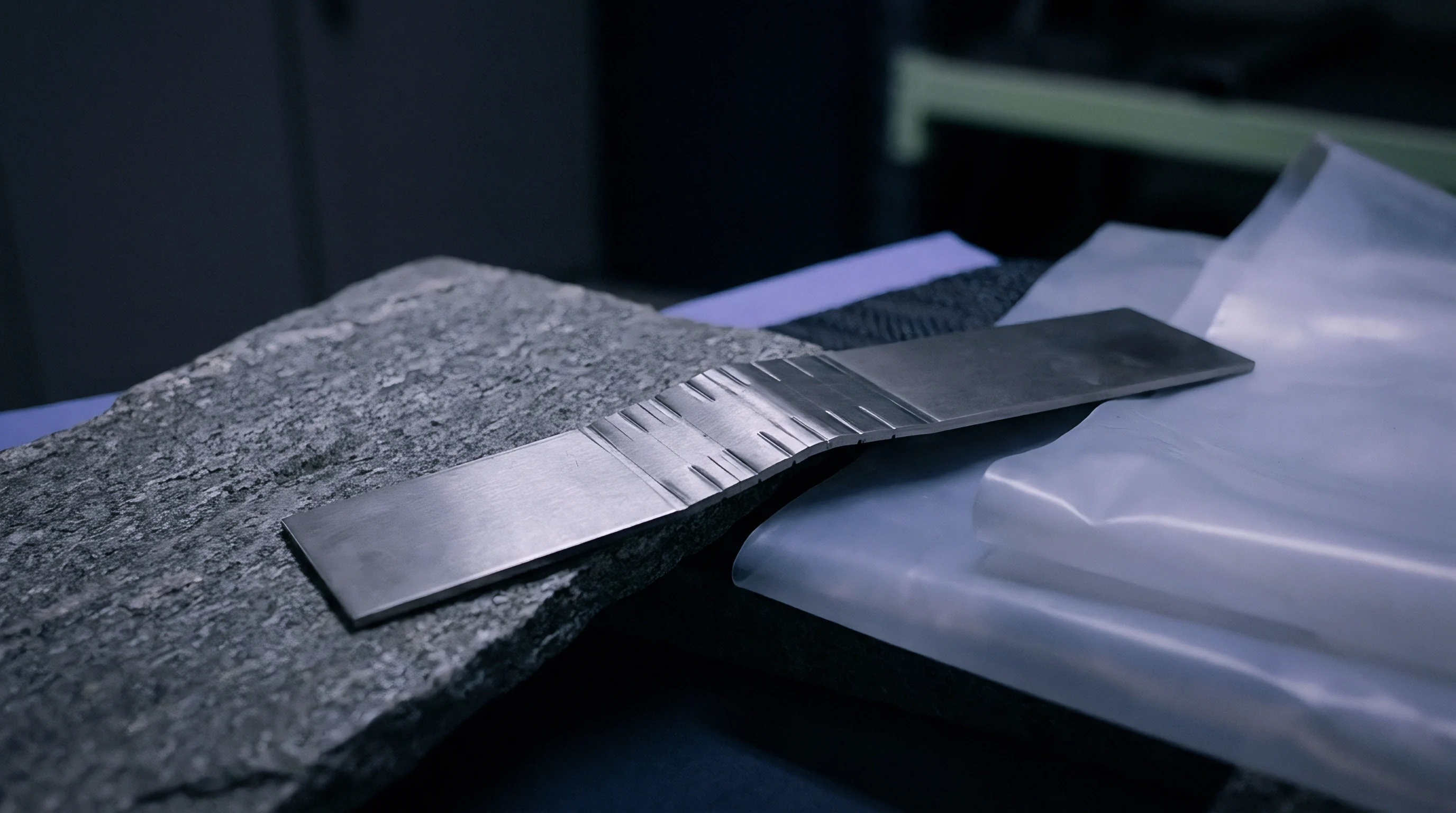
Telemetry
Digital logging systems directly integrated into industrial machinery hardware offer complete transparency into graveyard shift operating anomalies. Remote programmable logic controller logging captures real-time motor current draw, hydraulic pressure cycles, ambient feed temperature, and door open sensor events without relying on operator self-reporting. Machine logs expose line stoppages, unscheduled parameter overrides, and cycle acceleration attempts made during skeleton shift operating hours.

Programmable Logic Controller Sensor Integration
Industrial Internet of Things sensors installed independently of the factory primary network prevent local management from tampering with dark hour operational metrics. Sensor clusters tracking power draw on individual spindle drive motors capture exact run times, idle pauses, and mechanical load anomalies. Spindle load spikes highlight tool dulling, material hardness variations, or binding mechanical slides long before physical scrap accumulates in collection hoppers.
- Install independent power-monitoring transformers on the main press feed to log actual machine uptime versus logged operator cycles.
- Map thermal sensors directly to machine PLC registers with immutable timestamping stored on off-site servers.
- Set automated SMS alerts triggered when hydraulic pressure deviates beyond three percent of baseline for more than two consecutive minutes.
- Audit hopper moisture sensors at midnight and four in the morning against logged raw resin dry-time certificates.
Remote edge compute nodes aggregate sensor metrics every fifty milliseconds, running edge analytics to detect process parameter anomalies. Algorithms flag subtle shifts in acoustic emissions or vibration frequencies on high-speed CNC spindles, automatically pausing machine operation before cataclysmic tool failure ruins expensive titanium or stainless steel forgings.
| Logged Metric | Target Operating Standard | Dark Hour Anomaly Threshold | Scrap Generation Mechanism |
|---|---|---|---|
| Spindle Drive Amperage | 14.2 Amperes Constant | Exceeds 17.8 Amperes | Tool edge failure causing surface roughness |
| Cycle Dwell Duration | 4.5 Seconds per Part | Drops Below 3.1 Seconds | Incomplete cooling distorting part geometry |
| Vacuum Fixture Hold Pressure | -0.85 Bar Minimum | Rises Above -0.62 Bar | Workpiece movement during profile milling |
| Injection Barrel Zone 3 Temp | 230 Degrees Celsius | Exceeds 248 Degrees Celsius | Material degradation and structural weakness |
ISO 9001 Section 8.5.1 enforcement forces factories to maintain tamper-proof digital records of process parameters across all secondary production shifts.
Section 14 of the standard manufacturing agreement assigns full financial liability for post-assembly defects to the vendor if PLC log gaps exceed fifteen consecutive minutes during dark-hour runs.

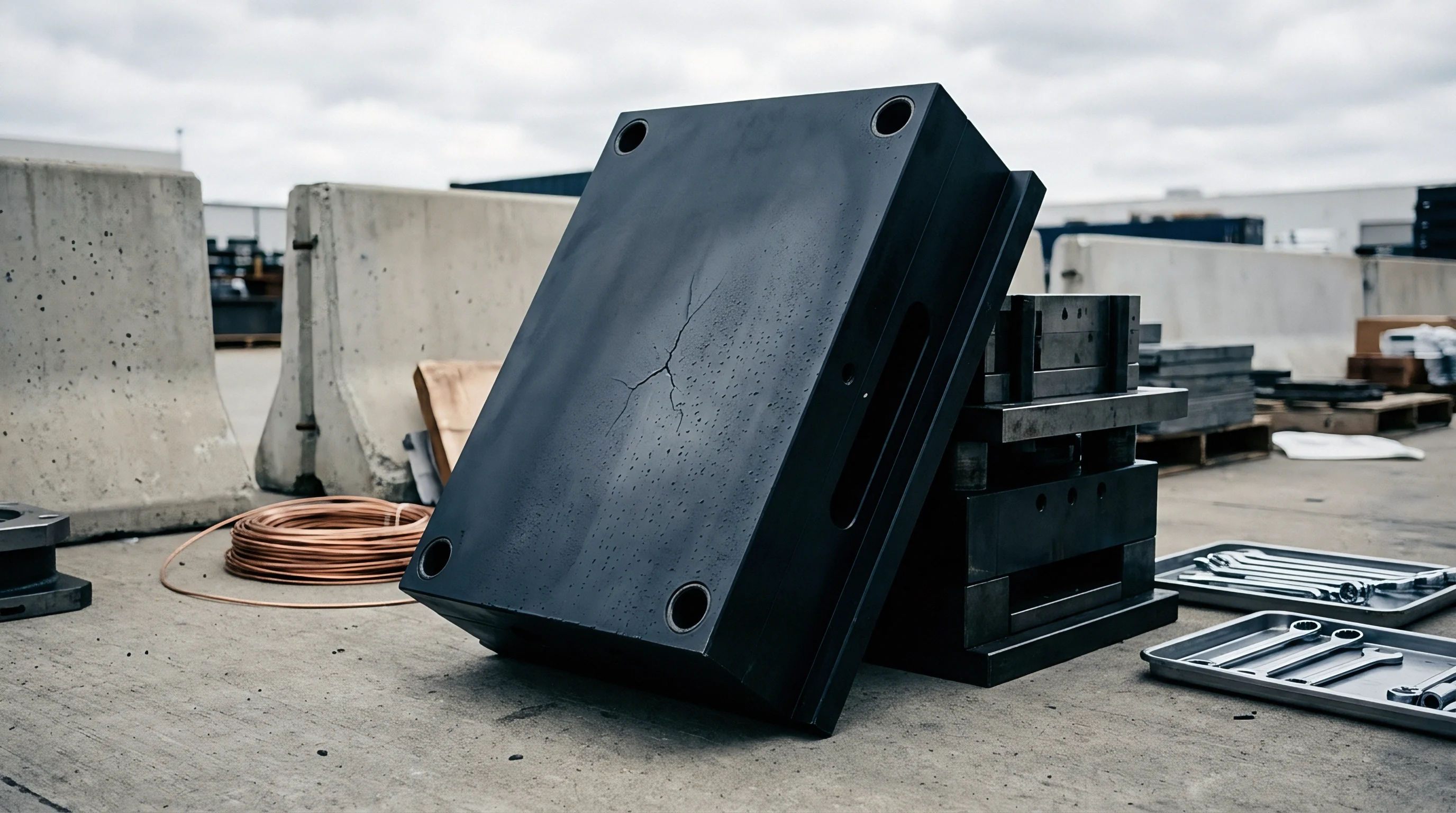
Tolerance
Process boundaries defined in theoretical engineering specifications frequently collapse under real-world graveyard shift conditions. Automated controls require strict physical limits. Defining acceptable dark hour operating windows requires tightening allowable parameter variances beyond normal daytime limits to account for absent engineering staff.
Scrap acceleration drops when equipment automatically interrupts cycle execution the moment operational parameters wander outside defined control bands.

Defect Escalation and Automated Machine Locks
Automated machine interlocks remove human discretion from off-shift quality control enforcement. When automated optical inspection systems mounted inside stamping presses detect three consecutive parts with dimensions breaching upper specification limits, the controller locks out machine restart capabilities until an authorized quality manager scans an authentication card. This stops defective part generation at three units rather than letting thousands of defective stampings stack up in shipping bins before morning.
Consider a worked example of a high-volume turning operation producing aluminum bushings at a rate of 1,200 units per hour across a twelve-hour night shift. Assume a nominal base unit cost of $4.20 per part with an agreed maximum allowable scrap target of 1.5 percent. Under normal daytime operations, active supervisory oversight holds scrap at 1.2 percent, resulting in 173 scrapped units per shift at a total direct material loss of $726.60.
Assume an unmonitored dark-hour shift where thermal contraction and uncorrected tool wear drive the scrap rate to 6.2 percent across the entire twelve-hour run. Total production yields 14,400 raw units, but scrap surges to 892 defective parts. The total direct material loss escalates to $3,746.40 per shift.
Adding secondary rework labor costs calculated at $1.85 per unit to manually sort, re-machine, or deburr borderline parts across the entire batch adds another $2,664.00 in direct labor expenditure. Unmonitored dark-hour scrap acceleration turns a planned daily margin of 18 percent into a net loss on the entire shift production lot.
Consider the secondary sensitivity case where automated telemetry triggers machine interlocks after detecting five consecutive parts exceeding a 20-micron dimensional tolerance threshold. The system halts production forty minutes into the dark hour run after producing 800 total units, containing scrap to exactly 49 defective parts before stopping the line. Total direct material loss stops at $205.80.
The machine remains safely offline until morning process technicians recalibrate the spindle offset and replace worn tooling. The automated lockout saves $3,540.60 in direct material waste and prevents 13,600 un-sorted, suspect parts from entering downstream supply chain pipelines.
Automated spindle lockouts triggered by dimensional drift prevent bulk scrap generation before morning quality audits commence.
When quality gates depend on human inspection at shift handovers, off-hour defect spikes migrate undetected into final packaging.


Variance
Financial reconciliation between buyers and contract manufacturers requires explicit contractual formulas for allocating dark-hour scrap costs. Standard purchase contracts that allow a blanket scrap allowance of two or three percent across total monthly production volume mask off-shift operational failures. Vendors blend clean daytime scrap metrics with high graveyard shift defect rates, hiding structural line instability under monthly average performance calculations.

Commercial Reconciliation and Scrap Chargeback Mechanics
Scrap chargeback frameworks must segregate scrap rate calculations by individual operating shift to expose dark hour inefficiency. Auditing physical scrap bins at dawn reveals actual material losses generated during night shifts. Deducting scrap costs directly from monthly vendor processing invoices forces factory management to invest in automated thermal controls, operator training, and remote telemetry logging infrastructure.
- Scrap Log Verification ~ Audit physical scrap bins at six in the morning before materials are re-ground or blended into low-grade inventory.
- Energy Consumption Reconciliation ~ Cross-reference utility meter spikes against claimed machine idling times during skeleton operating hours.
- Tooling Wear Adjustment Ledger ~ Deduct premature insert degradation costs from monthly vendor tooling reserve balances when dark-hour feed speeds exceed specification.
Detailed cost accounting attributes both direct raw material loss and secondary freight disruption costs to dark hour process drift. Air freight costs incurred to replace scrap-depleted production lots before assembly line shut-downs at destination facilities represent direct damages. Assigning these commercial liabilities to contract suppliers provides the financial incentive required to enforce strict shift discipline.
| Loss Category | Primary Root Cause | Direct Unit Financial Impact | Commercial Recovery Mechanism |
|---|---|---|---|
| Raw Material Waste | Unmonitored hopper moisture intake | $4.20 per scrapped unit | Invoice deduction against monthly processing fee |
| Secondary Sorting Labor | Dimensional drift requiring 100% audit | $1.85 per inspected part | Direct vendor debit note for sorting house labor |
| Expedited Air Freight | Shortfall in shipped batch volume | $12.50 per kilogram shipped | Contractual transfer of logistics costs to factory |
| Premature Tooling Failure | Cold start feeds without thermal pre-heat | $450.00 per insert set | Deduction from vendor annual tooling allowance |
The remaining commercial dispute rests on whether remote telemetry hardware expenses should be credited against the vendor’s annual scrap allowance or billed as direct buyer oversight.