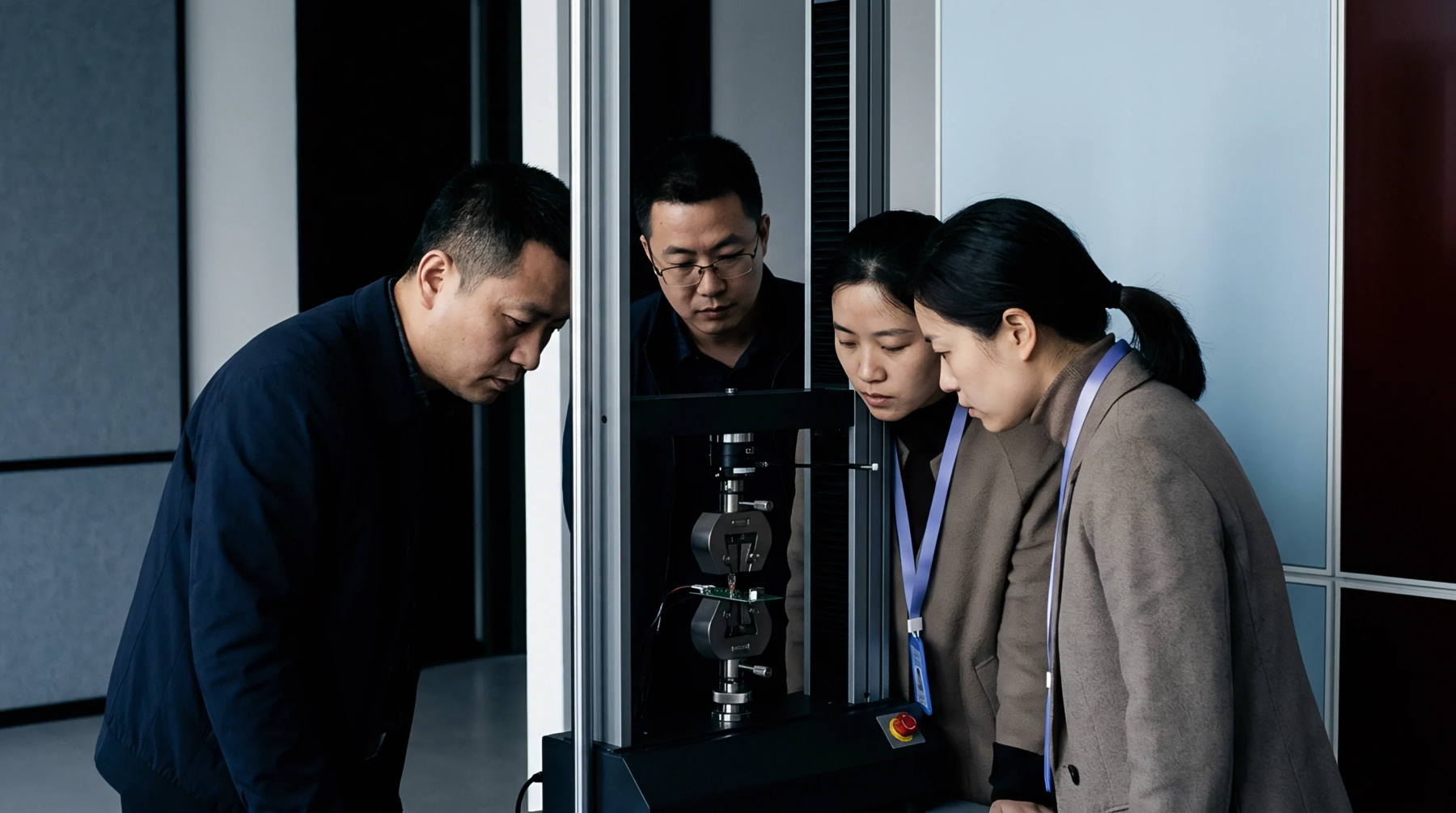
Interconnect Voiding Mechanisms under Thermal Gradient Stress Accumulation
Thermal gradients across microbumps drive atomic migration and voiding; mitigation demands controlling crystal grain orientation and operating flux densities.
Production losses representing the portion of manufactured units that fail to meet quality specifications provide a direct measure of manufacturing efficiency and cost. Tracking the yield fallout allows factory managers to identify the stages of the production process where defects are introduced and to implement corrective actions. This metric covers all units that are scrapped, reworked or downgraded due to functional or cosmetic issues.
It governs the calculation of the final cost per unit and the overall profitability of the manufacturing line. The measurement stops being calculated once the products have passed the final quality gate and are shipped to the customer. In the semiconductor industry, this is the inverse of the wafer yield and is a primary driver of financial performance.
It serves to highlight the impact of process variations and equipment malfunctions on the total output.
Financial impact of defective goods is a significant factor in the competitive positioning of a manufacturing firm. When yield fallout is high, it increases the consumption of raw materials, energy and labor for every saleable unit produced. This creates a hidden cost that can erode the margins of even high-value products.
Accurate reporting of these losses requires a detailed tracking system that logs the reason for failure at each inspection point. These reports help engineers distinguish between random defects, such as dust particles, and systemic issues, such as a misaligned machine. Reducing the fallout is a continuous process of optimization that involves training the workforce, maintaining the equipment and refining the design.
High rates of loss during the initial ramp-up of a new product are expected, but the goal is to reach a stable and low level as the process matures.
Accounting for manufacturing waste is a critical part of the financial reporting requirements for companies operating in China. The Ministry of Finance and the State Taxation Administration oversee the enforcement of accounting standards that govern how yield fallout is recorded and taxed. Under the statutory position, companies can often deduct the cost of scrapped materials from their taxable income, but they must provide clear evidence that the waste was a normal part of the production process.
Administrative practice involves the audit of inventory records and production logs to ensure that the reported losses are accurate and not a way to hide profits. A foreign-invested enterprise must ensure that its internal reporting systems are compliant with the Chinese Accounting Standards to avoid legal and tax issues. While the law provides for certain tax relief for R&D-related waste, the execution of these benefits requires a detailed filing with the local tax bureau.
Failure to properly document the reasons for product failure can lead to the rejection of these deductions during an audit. The jurisdictional limit on these claims is defined by the regional tax regulations and the specific industrial policies of the province.
Analysis of the data from the production line allows for the calculation of the cumulative yield, which is the product of the individual yields at each stage. Yield fallout is analyzed through Pareto charts to identify the “vital few” causes that are responsible for the majority of the losses. This information is used to prioritize the engineering efforts and to justify the investment in new equipment or better materials.
The sensitivity of the final yield to the performance of each stage is a key factor in the design of the manufacturing flow. Regular meetings between the production, engineering and quality teams are held to review the fallout data and to track the progress of improvement projects. Continuous monitoring of the line ensures that any sudden spikes in the failure rate are addressed immediately.
The goal of this management is to achieve a zero-defect environment where the efficiency of the factory is maximized.
Thermal gradients across microbumps drive atomic migration and voiding; mitigation demands controlling crystal grain orientation and operating flux densities.
Expertise is a utility, not a secret. sentiention™ publishes its working knowledge as open reference: intelligence layer covering the materials it sources, the markets it enters, and the reference that serves both.