Meaning
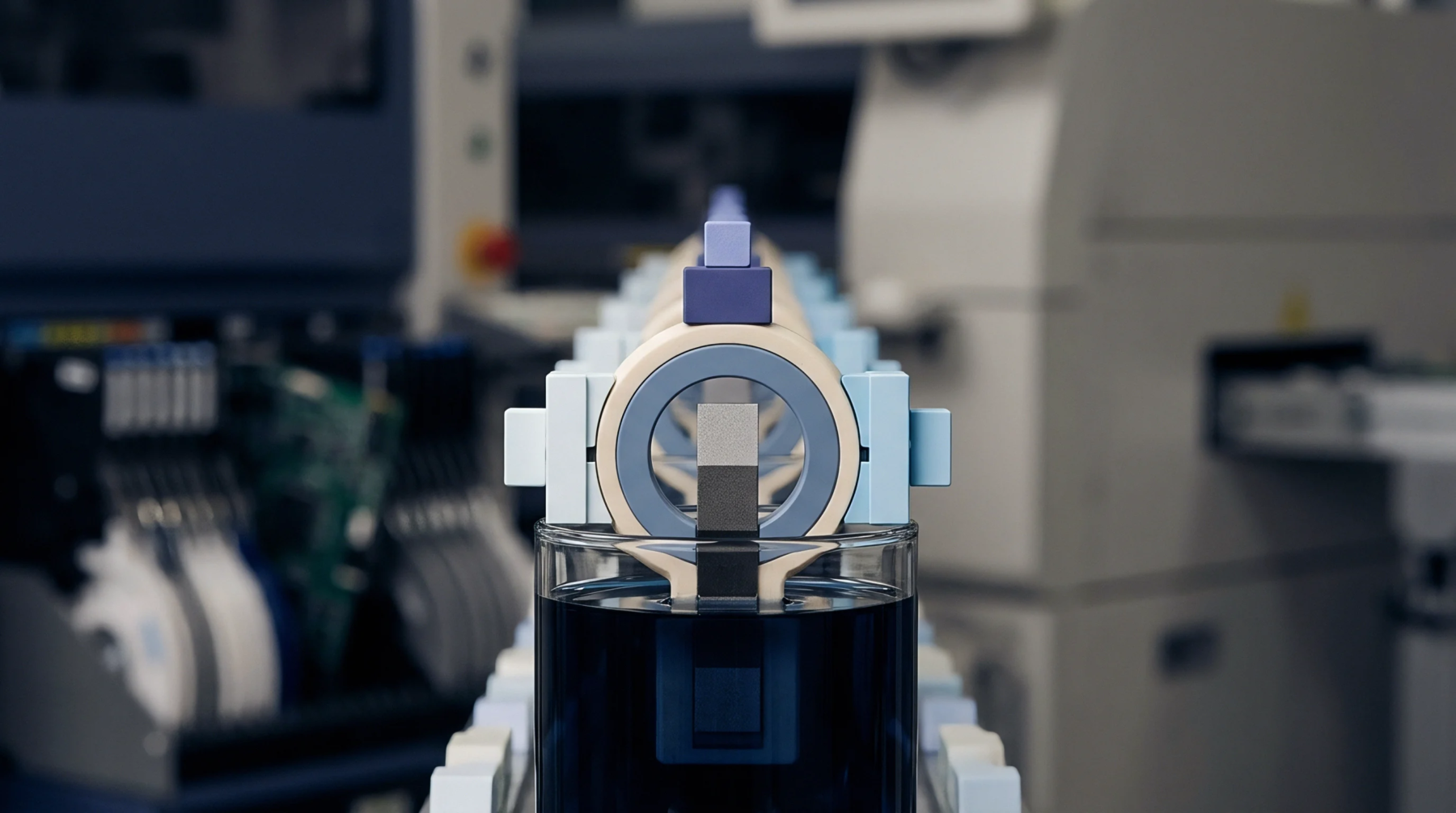
Specialized heat-resistant support tooling maintains spatial alignment and minimizes mechanical distortion of metallic components during thermal processing inside low-pressure controlled atmospheres. Thermal processing facilities regulated by the Ministry of Industry and Information Technology rely on vacuum furnace fixturing made from carbon-composite or molybdenum alloys to maintain strict dimensional tolerances on aerospace turbine components. Mechanical design of load trays and supports accommodates thermal expansion without applying parasitic stresses to processing workpieces.
Thermal Loading
Material selection for support structures focuses on high creep resistance and low thermal mass to optimize furnace heating efficiency. CFC composites and refractory metals resist high temperatures without outgassing or chemical reaction with processed alloys. Thermal expansion matching between support fixtures and workpieces prevents dimensional distortion during rapid heating and cooling cycles.
Structural load calculations prevent sagging or binding of support structures under thermal loads.
Material Inspection
Quality assurance standards established by national standardization committees require non-destructive testing of structural tooling prior to furnace service. Inspection officers evaluate fixture assemblies for thermal fatigue cracking, distortion and surface contamination using certified non-destructive inspection methods. Manufacturing guidelines mandate detailed fixture maintenance logs and cycle counts under enterprise quality system oversight.
State market supervision inspectors check equipment maintenance registers during mandatory safety inspections. Non-compliant support tooling must be retired immediately to prevent component damage and furnace contamination.
Deformation Limit
Excessive creep deformation of structural support fixtures leads to geometric distortion in processed heat-treated components. Outgassing from contaminated tooling surfaces compromises vacuum chamber purity levels and causes component surface oxidation. Fixture deformation exceeding dimensional engineering tolerances mandates immediate structural replacement.