Meaning
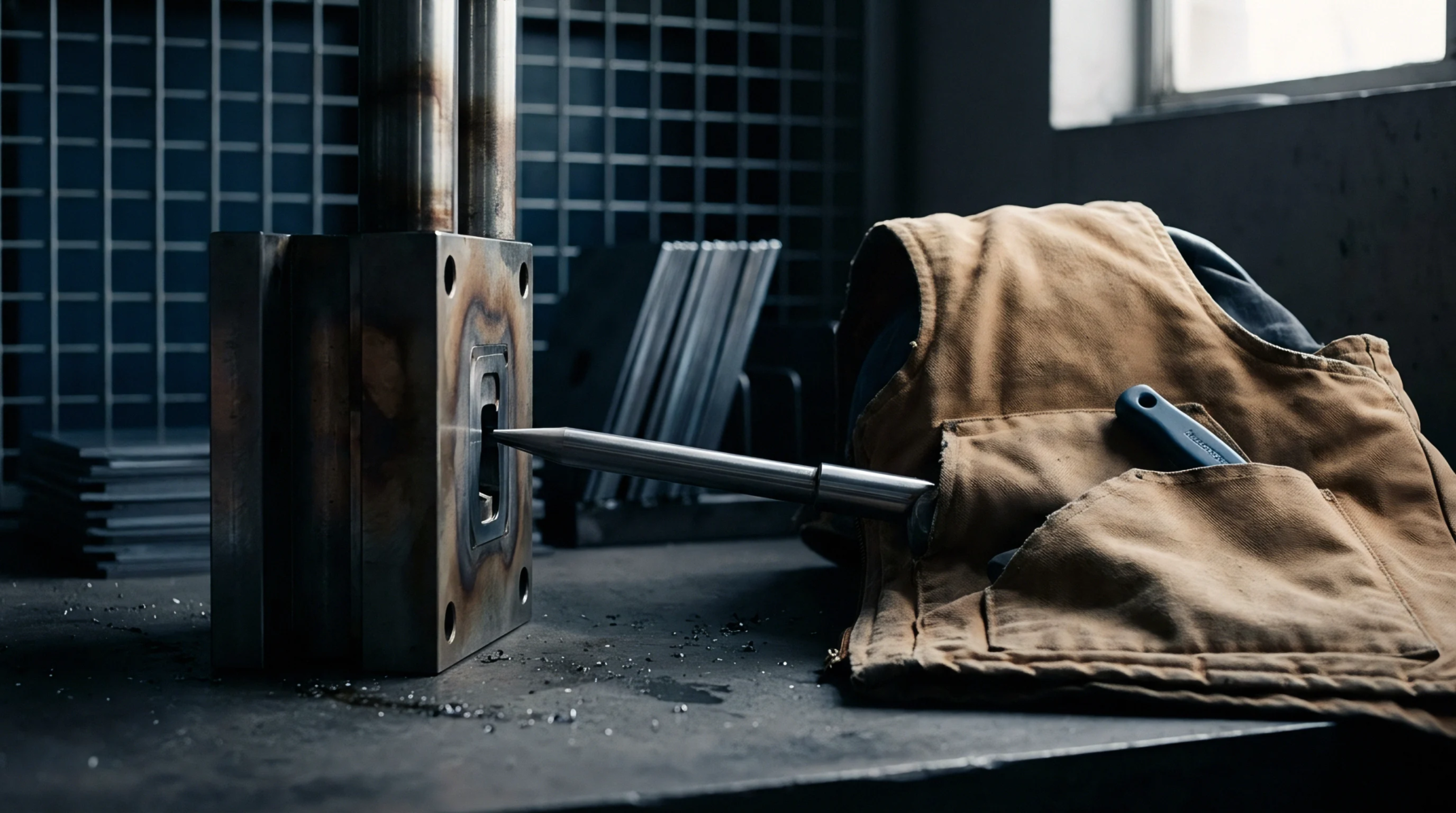
Precision metal sealing surfaces in injection mold tools seal cavity spaces to prevent molten plastic from escaping into parting line gaps or ejection channels. Located along the parting line perimeter and around side-action slide cores, shut-off land areas bear intense mechanical clamping forces when the molding machine closes the tool. This contact zone governs resin containment and flash prevention, stopping liquid polymer flow past designated cavity boundaries under high injection pressures.
The structural boundary of this sealing surface terminates at the relieve draft where tool steel clears away into non-contact relief areas.
Tooling Geometry
Tool designers create narrow sealing flats around mold cavities to focus mechanical clamping force directly where molten plastic meets the mold parting line. In complex injection molds featuring side-action slides and lifters, shut-off land geometry incorporates angled draft angles, typically ranging from three to seven degrees, to enable tight metal-to-metal sealing without scuffing during mold opening and closing. Machinists grind shut-off surfaces to mirror finishes using precision surface grinders and manual spotting techniques.
Insufficient land area leads to excessive local contact pressure, causing metal deformation and premature tool wear over extended production runs.
Clamping Dynamics
Injection molding machines apply hydraulic or electric clamping force across mold plates to hold shut-off surfaces tightly together during resin injection. When clamping pressure is distributed across properly designed shut-off land areas, high injection pressure cannot force mold halves apart. Inadequate clamping force or misaligned shut-off surfaces allow molten plastic to seep between mold faces, creating unwanted plastic flash that requires manual trimming operations.
Over-clamping crushes delicate shut-off lands, damaging the tool permanently and requiring expensive laser welding tool repair.
Maintenance Protocol
Toolroom technicians inspect shut-off surfaces regularly during preventative maintenance routines to remove resin residue and detect surface pitting. In Chinese plastics manufacturing facilities, mold maintenance procedures require optical blue-light scanning and spotting blue dye checks to confirm even contact pressure across all shut-off areas before mounting tools back into production presses.