Meaning
Permanent identification marks carved onto industrial components or finished products establish a traceable link between the manufacturing origin and the final assembly. The serial number engraving process applies unique alphanumeric codes directly to metal or plastic surfaces using lasers or dot peening. This practice prevents counterfeit replacement of parts and ensures accountability throughout the supply chain.
It provides a non-removable record that remains legible under harsh operational conditions.
Engraving Method
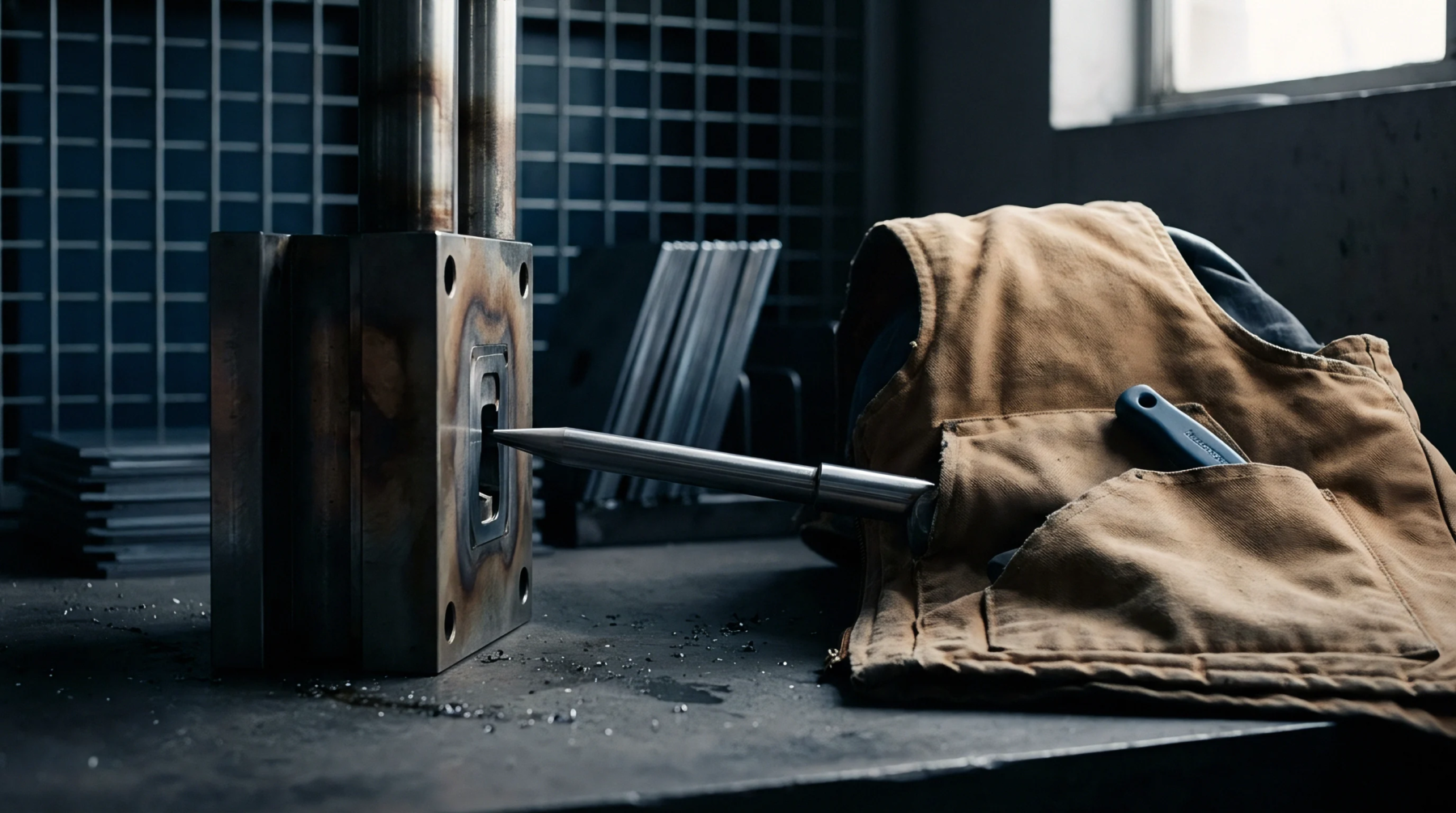
Industrial factories select the engraving technology based on the hardness of the material and the thickness of the component walls. Laser systems use concentrated light beams to vaporize the surface layer, creating high-contrast marks without inducing mechanical stress. Dot peening uses a pneumatically driven stylus to stamp indentations into robust metal castings.
These automated methods are integrated directly into the assembly line to prevent duplicate codes.
Compliance Requirement
Automotive and aerospace manufacturers must comply with strict national standards governing the depth and location of these marks. Chinese quality regulations mandate that critical safety components hold traceable engravings to facilitate recalls when defects are identified. The engraved data must correspond to the digital production records stored in the factory database.
Non-compliance results in the rejection of the batch during the initial quality audit.
Traceability Benefit
Unique serial numbers allow logistics networks to track individual items from the factory gate to the end-user. This clarity helps settle warranty disputes by verifying whether a returned part originated from the correct production run. It also assists customs officials in verifying the origin of exported goods.