Meaning
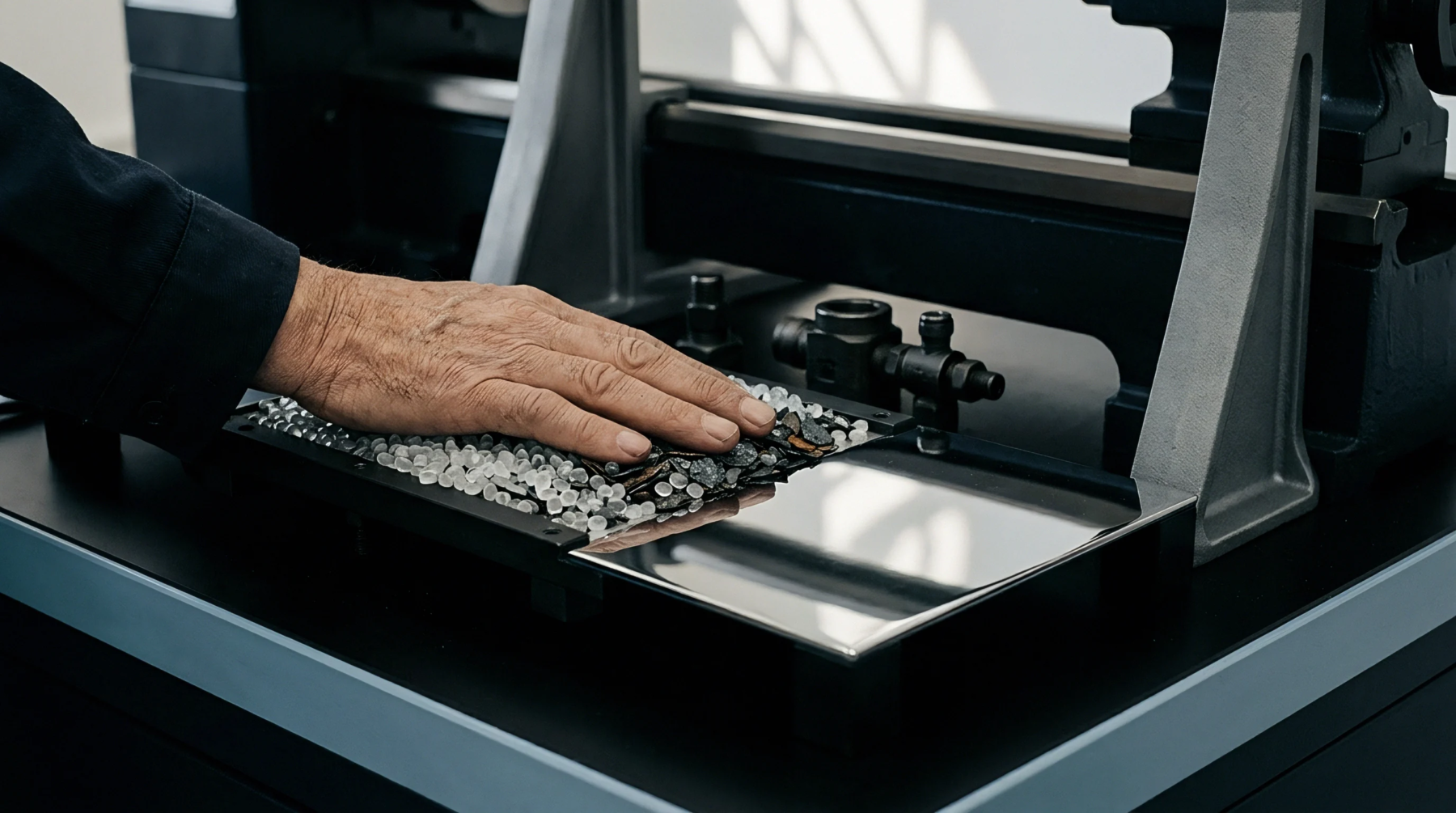
Physical changes in polymers occur when absorbed small molecules increase the flexibility and reduce the stiffness of the material. In resin plasticization, the presence of absorbed water acts as an internal lubricant. This action lowers the glass transition temperature and alters mechanical performance.
Molecular Softening
Water molecules penetrate the intermolecular spaces of the polymer and interrupt the cohesive forces between adjacent chains. This behavior reduces the hydrogen bonding and dipole-dipole interactions that hold the polymer structure together. The resulting increase in chain mobility allows the chains to slide past each other more easily under external loads.
Viscosity Reduction
Melt viscosity decreases significantly when the polymer contains absorbed water during the heating phase of processing. This decrease in viscosity can lead to flashing or drooling at the nozzle during the injection molding cycle. However, this change in flow behavior is accompanied by a severe risk of hydrolytic degradation, which permanently reduces the molecular weight and mechanical performance of the resin, leading to structural failures under stress.
Production Defect
Molded components that have undergone this softening exhibit reduced tensile strength and stiffness, although they may show higher impact resistance. These dimensional and mechanical changes can cause the parts to fail to meet engineering specifications. Implementing drying procedures before melt processing represents the standard way to avoid these structural deficits in finished plastic products.