Incoming Material Verification Protocols for High Volume Polymer Manufacturing
Verify polymer lot molecular weight, moisture, and filler content before silo release to eliminate downstream molding scrap and machine downtime.
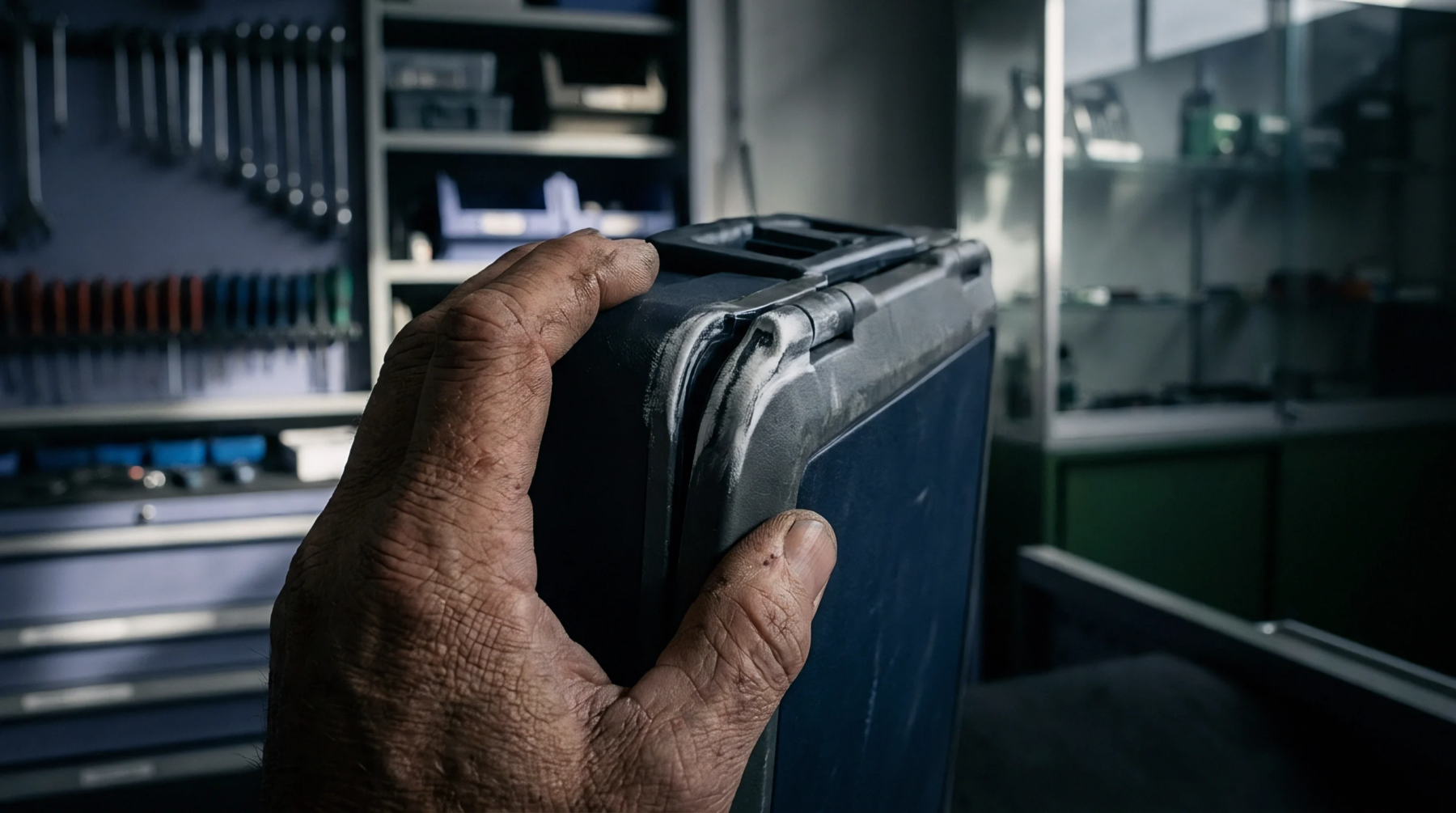
A physical isolation apparatus acts as a primary control barrier for the handling of contaminated biological samples or suspected hazardous goods within a warehouse environment. The quarantine containment box prevents the spread of pathogens or contaminants through airtight sealing and specialized filtration systems. Administrative authorities mandate that such units possess specific internal pressure differentials to ensure that airflow moves exclusively inward toward a negative pressure gradient.
Operators must verify that the enclosure meets ISO standards for airborne particle control before clearance for transit occurs. Customs officials utilize this equipment to secure materials during the inspection phase if the paperwork suggests a risk to public health. Regulations concerning the movement of these items dictate that no sample remains outside the internal environment once the outer shell opens for verification.
The hardware serves as a firm boundary between potentially infected cargo and the warehouse facility staff. Compliance officers register these boxes as part of the mandatory health security infrastructure at entry ports. Every unit maintains a logs of internal integrity tests to prove efficacy against leaks under fluctuating temperatures.
The seal integrity provides the legal basis for the temporary storage of hazardous imports before official destruction or clearance.
Procedures governing the deployment of the quarantine containment box begin when customs agents identify a mismatch between the declared hazardous profile and the actual state of the imported shipment. Staff members place the item into the designated housing and engage the locking mechanism to ensure no leakage escapes the immediate vicinity. Sensors then monitor the internal atmospheric composition to confirm that no dangerous gases or particulate matter move past the enclosure membranes.
Records detailing the time of entry and the nature of the cargo become part of the customs filing for the specific consignment. Officials grant approval for processing only when the hardware displays no fluctuations in pressure. Failure to maintain the required pressure results in an automatic refusal of the shipment and triggers a mandatory deep cleaning process for the entire holding area.
Workers move the enclosure into a controlled room to prevent unauthorized access until an expert team arrives for the final analysis of the goods. Management verifies that the structural integrity remains intact by conducting a pneumatic test every morning. Records of these tests accompany the cargo if the agent decides to transfer the box to an offsite laboratory.
This practice prevents the accidental release of harmful agents into the general logistics network during the wait period.
Technical requirements for the quarantine containment box restrict the mass and volume of the goods allowed inside to protect the physical frame from damage. Authorities impose a strict weight threshold to ensure that the pneumatic hinges do not suffer structural fatigue during transport within the port zone. Inspectors cannot exceed the maximum pressure rating inscribed on the exterior panel.
Compliance with these physical limits constitutes a condition for the legal protection of the warehouse owner. Jurisdictions differ regarding the duration of storage allowed within the box because local health statutes vary between provinces. Regulations require the immediate disposal of the equipment if the internal filters reach saturation levels as defined by the original manufacturer specification.
The operational life ends when the sensor array reports an inability to maintain the threshold pressure even after the seals undergo replacement.
Legal responsibility for the quarantine containment box lies with the operator of the facility where the inspection occurs. If the apparatus fails to isolate the cargo, the warehouse entity incurs the full cost of the decontamination effort and faces potential fines for violating national health safety protocols. Courts interpret the reliance on this equipment as an assumption of duty by the firm to protect the port environment.
Owners maintain the right to seek financial redress from the cargo importer if the contents prove more hazardous than the documentation suggested. Proving that the hardware operated correctly during the entire duration of the hold serves as the primary defense against negligence claims. Documented proof of technical compliance prevents the administrative body from revoking the permit to handle regulated materials.
Insurance providers require evidence that the equipment underwent professional calibration before they cover the associated risks of handling infectious imports. The presence of the box within the facility confirms the capacity of the company to uphold state biosecurity standards.
Verify polymer lot molecular weight, moisture, and filler content before silo release to eliminate downstream molding scrap and machine downtime.
Expertise is a utility, not a secret. sentiention™ publishes its working knowledge as open reference: intelligence layer covering the materials it sources, the markets it enters, and the reference that serves both.