Meaning
Systematic adherence to technical specifications and regulatory standards verifies product integrity across manufacturing operations. Industrial quality compliance requires structured testing and process validation to satisfy statutory safety mandates and customer acceptance criteria. Production facilities maintain quality management systems certified under standards such as ISO 9001 to standardize manufacturing routines.
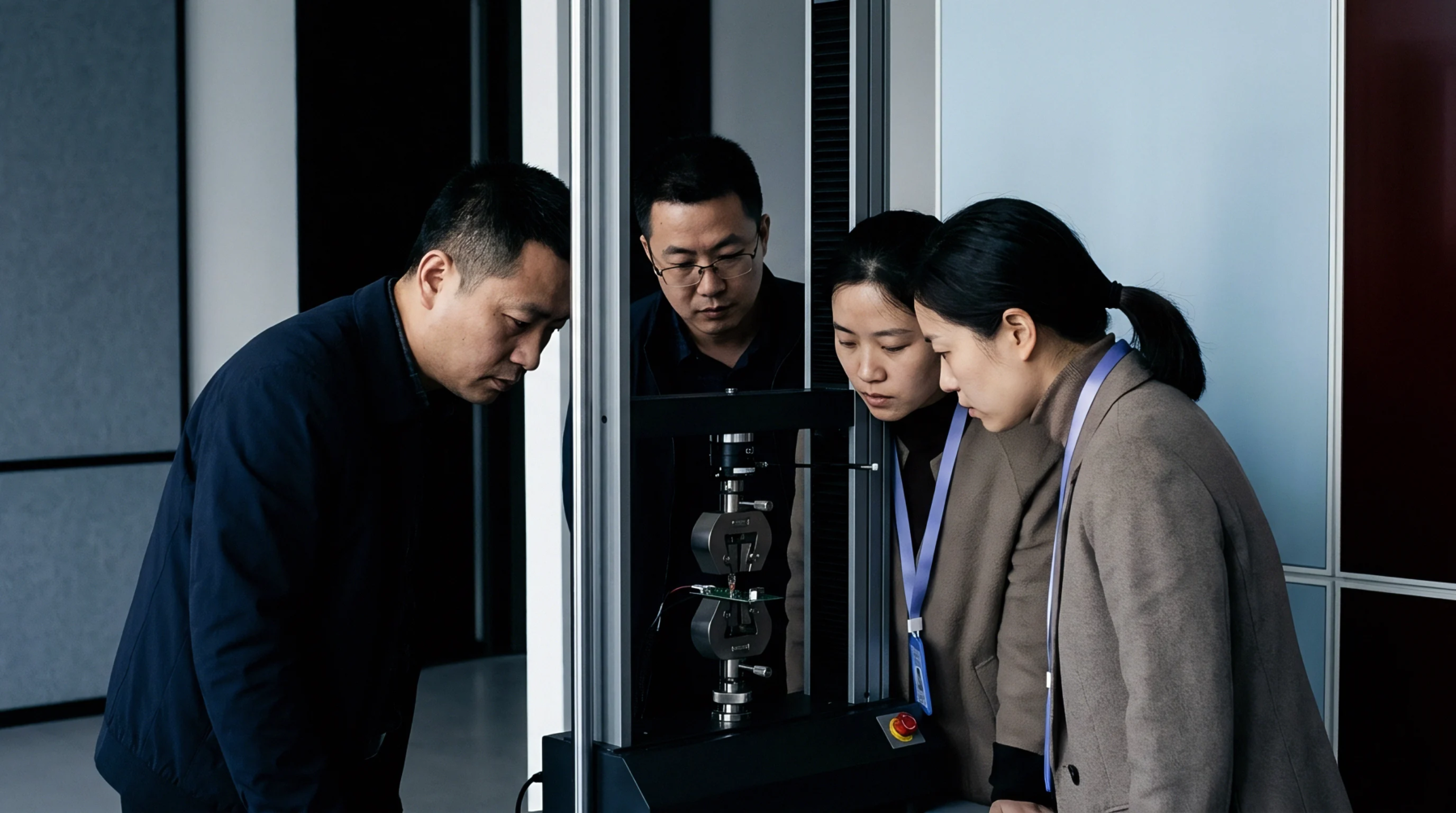
Verification activities include raw material receiving inspections and final product testing.
Audit Requirement
Independent quality audits review operational records and equipment calibration logs to verify systemic adherence. Internal auditors evaluate manufacturing lines against standard operating procedures, while external auditors conduct compliance assessments on behalf of international buyers. Documentation gaps or uncalibrated test instruments trigger formal corrective action requests that factory management must resolve within specified timeframes.
Process Control
Statistical process control techniques record manufacturing variability through continuous measurement of critical parameters. Control charts track dimensional tolerances and material properties during production runs, allowing operators to correct machinery drift before parts exceed allowable specification limits. Automated vision inspection systems evaluate surface defects on high-speed assembly lines, rejecting non-conforming items automatically.
Nonconformity Consequence
Products failing compliance checks face quarantine or scrap procedures to prevent defective items from reaching market distribution channels. Repeat compliance failures risk certification suspension and financial penalties.