Meaning
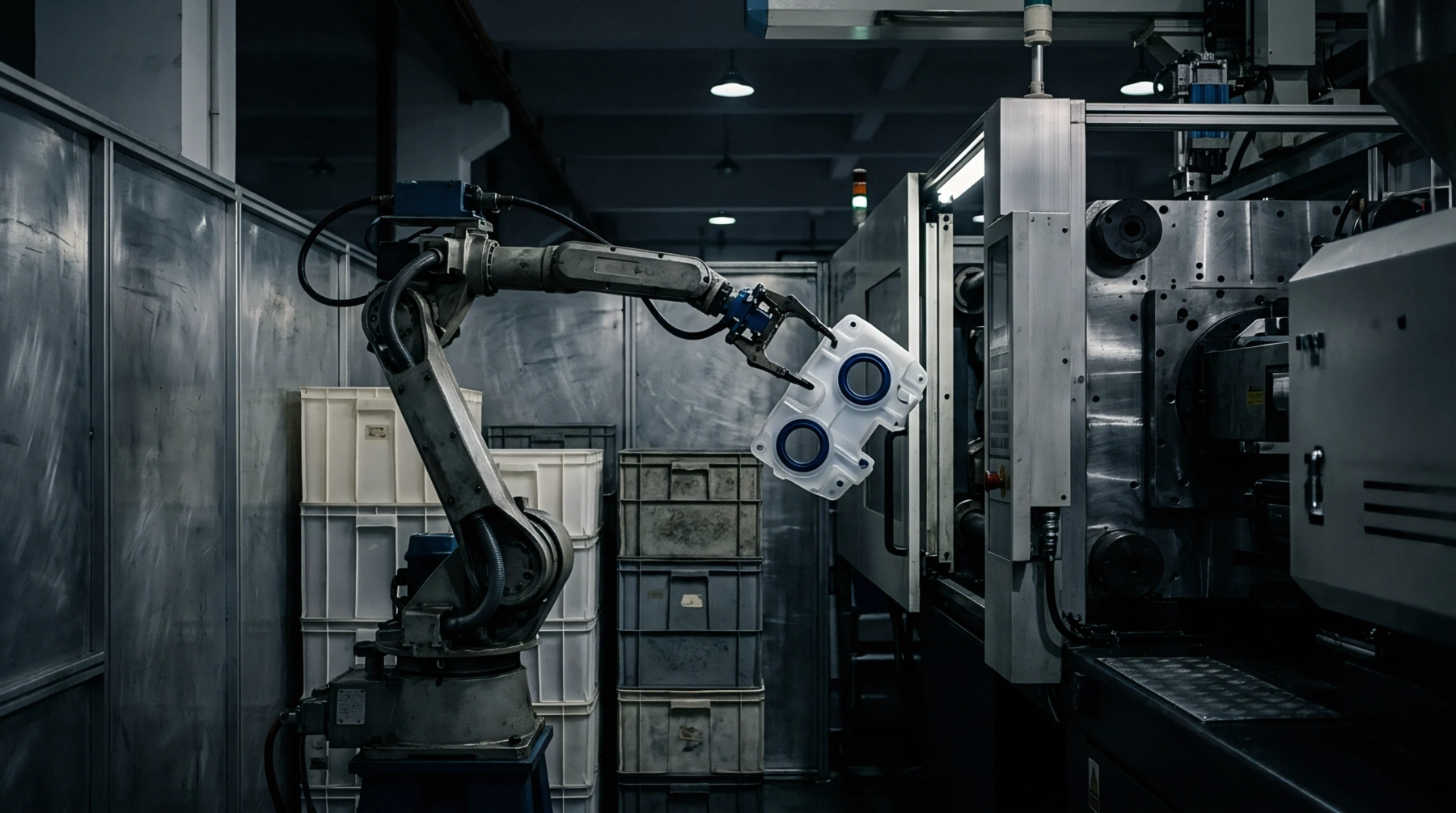
Automated systems that integrate industrial cameras with processing software enable high speed inspection and guidance within manufacturing environments. The deployment of machine vision allows for the objective measurement of components without physical contact. These systems operate by capturing digital signals from an optical sensor and using specialized algorithms to identify patterns or dimensions.
This technology replaces manual visual inspection to achieve higher throughput and consistency. It provides a level of repeatability that human operators cannot maintain over long shifts in a factory.
Algorithmic Logic
Processing units analyze the incoming pixel data to locate edges, shapes, textures or colors that correspond to predefined criteria. In a typical application, the software performs a pattern match to determine the orientation of a part on a conveyor. Subsequent steps in the machine vision workflow might include counting features or verifying the presence of a specific component.
Hardware Integration
The physical setup includes lighting, lenses, sensors and housing that are optimized for the specific task. High intensity strobe lights often freeze the motion of moving parts to prevent blur. The choice of the camera in a machine vision system depends on the required resolution and the speed of the production line.
Inspection Boundary
Performance limits are determined by the contrast between the object and its background. If the lighting conditions change significantly, the system may fail to distinguish the target. Maintenance of the optical environment is therefore a requirement for reliable operation.