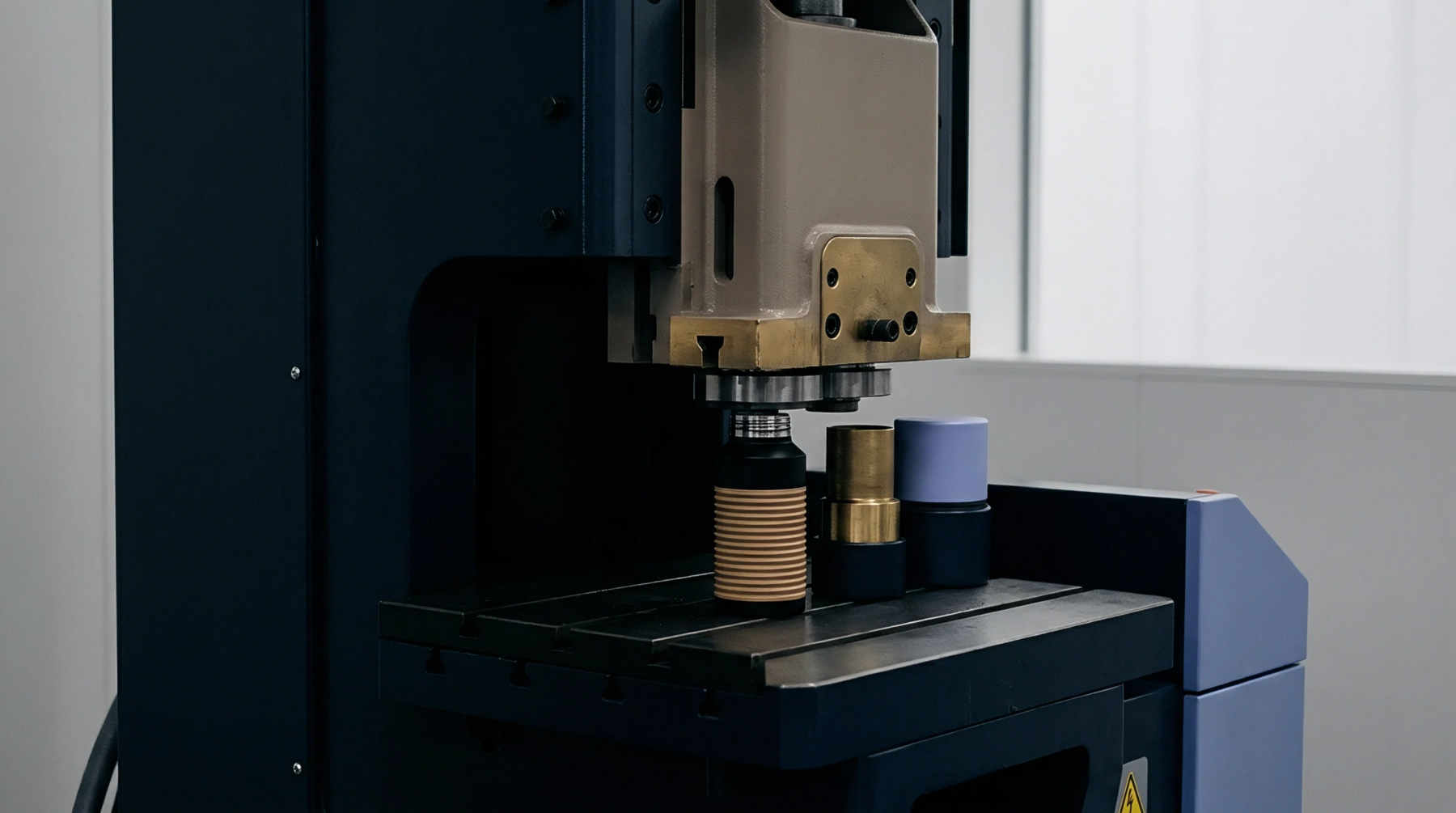
Meaning
Legal, administrative and operational procedures enable equipment owners to reclaim physical possession of specialized tooling, stamping dies and forming molds from non-compliant contract manufacturing facilities. The process of industrial die recovery enforces proprietary rights under the Civil Code of the People’s Republic of China when commercial relationships fracture due to insolvency, unresolvable quality disputes or contractual non-performance. This recovery process governs the identification, securing, uninstallation, transport and legal clearance of tooling assets situated on third-party premises.
The right of recovery ends if the tooling is successfully auctioned through formal judicial bankruptcy proceedings or if the equipment suffers irreversible physical destruction or unauthorized resale to untraceable third parties.
Extraction Pathway
Direct commercial retrieval begins with an audit of the underlying manufacturing contract, mold bailment agreement and proof of payment records confirming total tooling amortization. The owner issues a formal notice of contract termination, revoking the fabricator’s authorization to hold or operate the equipment and demanding immediate surrender. Logistics teams, accompanied by technical specialists, enter the production facility to verify mold serial numbers, inspect physical condition, document maintenance states and package the tooling for shipment.
If the supplier refuses plant access or threatens physical interference, the owner must avoid unauthorized forcible entry and immediately transition to judicial repossession mechanisms through the local People’s Court.
Judicial Preservation
Pre-litigation property preservation filed under Article 103 of the Civil Procedure Law prevents recalcitrant suppliers from concealing, damaging or dismantling proprietary dies. The recovering party submits an application to the People’s Court along with property ownership certificates, registration filings from the Unified Movable Property Financing Registry, and a financial counter-guarantee deposit or court-accepted surety bond. Upon approval, the presiding judge issues a formal preservation ruling, directing court bailiffs to visit the factory, seal the production dies and issue an execution notice forbidding unauthorized movement.
Following preservation, the applicant files a substantive property return lawsuit to secure an enforceable civil judgment mandating complete physical handover.
Lien Confrontation
Manufacturing suppliers frequently resist extraction attempts by asserting commercial liens under Article 447 of the Civil Code, claiming unpaid component invoices or mold storage fees. A valid commercial lien requires that the retained movable property belongs to the debtor and possesses a direct causal connection with the outstanding debt. Because industrial die recovery typically involves tooling owned by an external buyer rather than the manufacturing debtor, the legal validity of the supplier’s lien is vulnerable to formal legal challenge.
Demonstrating full payment for die fabrication breaks the requisite connection, compelling the court to reject the supplier’s retention claims and authorize immediate asset release.