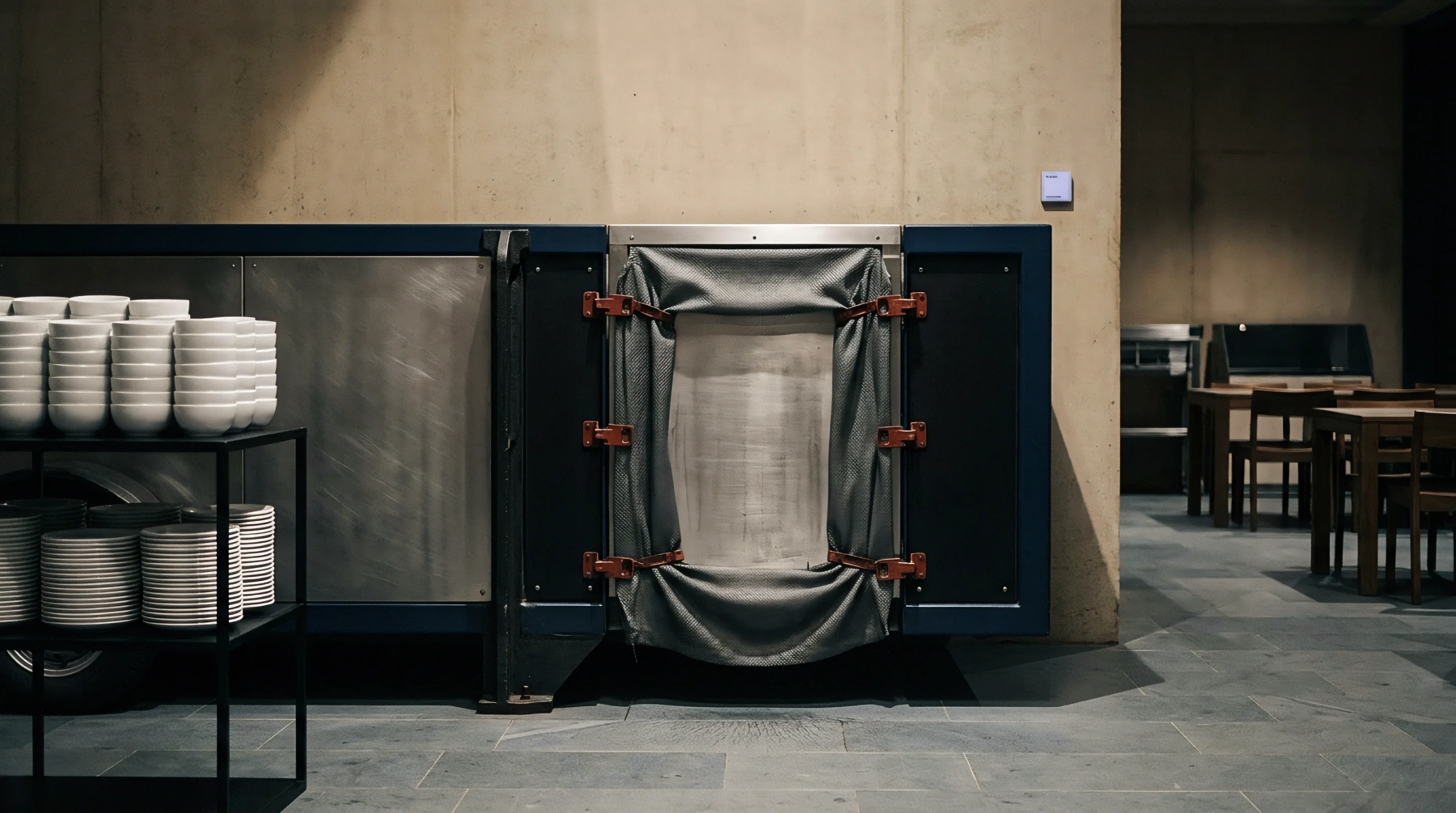
Time Zone Lag and the Twelve Hours a Defect Runs
Unmonitored night shifts convert minor process drift into massive scrap runs across the twelve hour time zone gap before overseas teams receive daily yield reports.
Statutory provisions governing the liability of contractors for defects in work results constitute the legal basis for claims regarding quality non-compliance in manufacturing agreements. China civil code article 781 establishes that if a contractor delivers work that does not meet the prescribed quality standards, the ordering party is entitled to seek specific remedies. This article applies to all processing and work contracts within the jurisdiction of the People’s Republic of China, including those between domestic factories and foreign entities.
The scope of this provision covers the entirety of the physical output, from individual components to finished assemblies. Liability ceases only after the ordering party has accepted the work without reservation or the statutory limitation period for defects has expired. Evidence of a defect must be presented by the buyer to trigger the protections afforded by this law.
Legal requirements for quality in work contracts are primarily defined by the specific performance obligations of the contractor under the current legal framework. China civil code article 781 mandates that the quality of the completed work must conform to the agreed standards or, in the absence of a specific agreement, to state or industry standards. If no such standards exist, the work must meet the common standards of the industry for that type of product.
The contractor is responsible for the quality of the materials used unless the materials were provided by the ordering party. In cases where the buyer provides the materials, the contractor must inspect them and notify the buyer of any discrepancies. Failure to perform this inspection can shift some of the liability for the final defect back to the contractor.
The statutory basis for a claim is strengthened when the contract includes precise technical specifications and quality benchmarks. Documentation of these standards provides the court with a clear metric for assessing whether a breach has occurred.
Parties affected by substandard work may choose from several legal pathways to address the non-conformity as specified in the legislation. China civil code article 781 allows the ordering party to demand that the contractor perform repairs, rework the item, or reduce the payment. If the defect is serious and the purpose of the contract cannot be achieved, the ordering party may have the right to terminate the contract and seek damages.
The selection of the remedy depends on the nature of the defect and the impact on the production schedule of the buyer. Most buyers prioritize the repair or replacement of defective components to minimize disruption to their downstream supply chains. If the contractor refuses to perform the necessary repairs, the buyer may hire a third party to do the work at the expense of the original contractor.
This self-help remedy requires careful documentation of the costs and the refusal of the contractor to cooperate.
Judicial decisions in Chinese courts emphasize the protection of the ordering party when the contractor fails to deliver work of the required quality. China civil code article 781 is frequently cited in litigation involving manufacturing defects and industrial equipment failures. Judges look for clear evidence that the work results did not meet the contractual or statutory standards.
The burden of proof initially rests with the buyer to demonstrate the existence of the defect. Once a defect is proven, the contractor must show that the failure was caused by the ordering party or by factors beyond the control of the contractor. Compensation for losses is usually limited to the direct economic damages resulting from the defect.
Courts may also consider whether the buyer contributed to the loss by failing to inspect the goods in a timely manner. Timely notification of defects is a requirement for maintaining a claim under this article. Recent cases show that courts are increasingly willing to award damages for the cost of testing and inspection required to identify the extent of the failure.
The judicial interpretation focuses on making the non-breaching party whole while maintaining the stability of the commercial relationship. Contracts that specify the governing law and jurisdiction provide more certainty in the application of these rules. Legal analysis suggests that article 781 provides a stable framework for resolving quality disputes in the manufacturing sector.
Successful litigation requires a combination of technical evidence and a clear demonstration of the contractual breach.
Unmonitored night shifts convert minor process drift into massive scrap runs across the twelve hour time zone gap before overseas teams receive daily yield reports.
Expertise is a utility, not a secret. sentiention™ publishes its working knowledge as open reference: intelligence layer covering the materials it sources, the markets it enters, and the reference that serves both.