Meaning
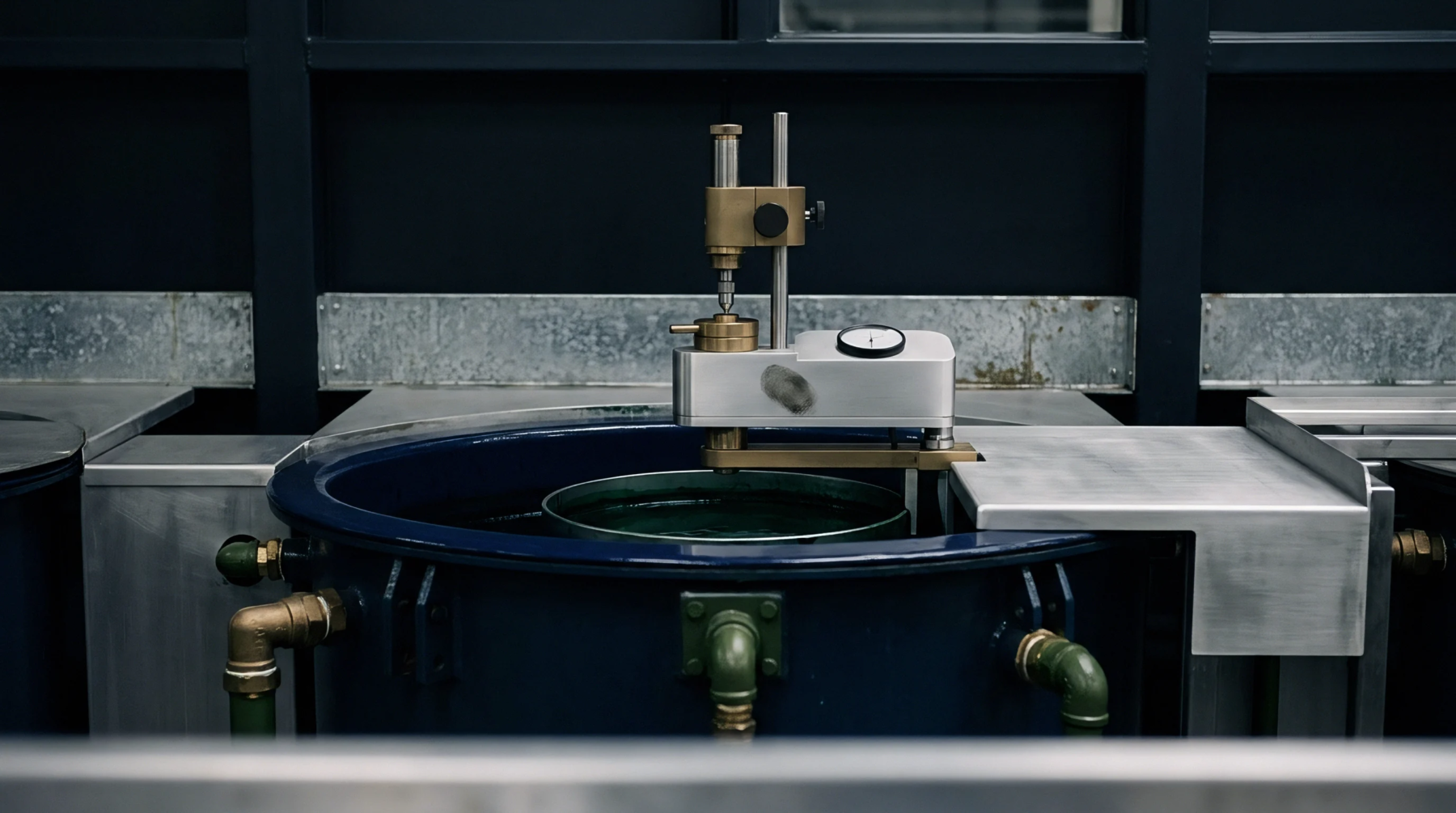
An electrochemical solution provides the metal ions necessary for depositing conductive layers on printed circuit boards and silicon substrates. Maintenance of an acidic copper bath involves continuous monitoring of sulfuric acid levels and copper sulfate concentrations to ensure uniform plating thickness. The chemical balance within the reservoir determines the mechanical properties of the finished trace.
Performance limits appear when organic additives lose their specific functional potency.
Plating Chemistry
Additive systems within the tank regulate the rate of ion transfer at the cathode interface. When using an acidic copper bath, technicians verify the interaction between suppressors and accelerators to avoid voids in small holes. These components work together to force copper into tiny gaps during the interconnect cycle.
Control Requirement
Strict temperature regulation prevents the formation of rough or burnt deposits on the surface. Regulators within the manufacturing zone track metal depletion to identify when replenishment must occur. Every shift includes a titration test to confirm the active concentration levels match the process recipe.
Operational Barrier
Excess contamination from chloride ions or photoresist breakdown products leads to poor adhesion between layers. Foreign entities within the bath disrupt the crystal structure of the copper atoms. Such interference increases electrical resistance and makes the final chip less reliable.
High current densities exacerbate these issues and lead to irregular growth patterns.