Shared Workshop Floor Capacity Management across Industrial Parks
Shared workshop capacity management requires spatial floor demarcation, rigid shift line clearance, submetered utility tracking, and dynamic overage tariffs.
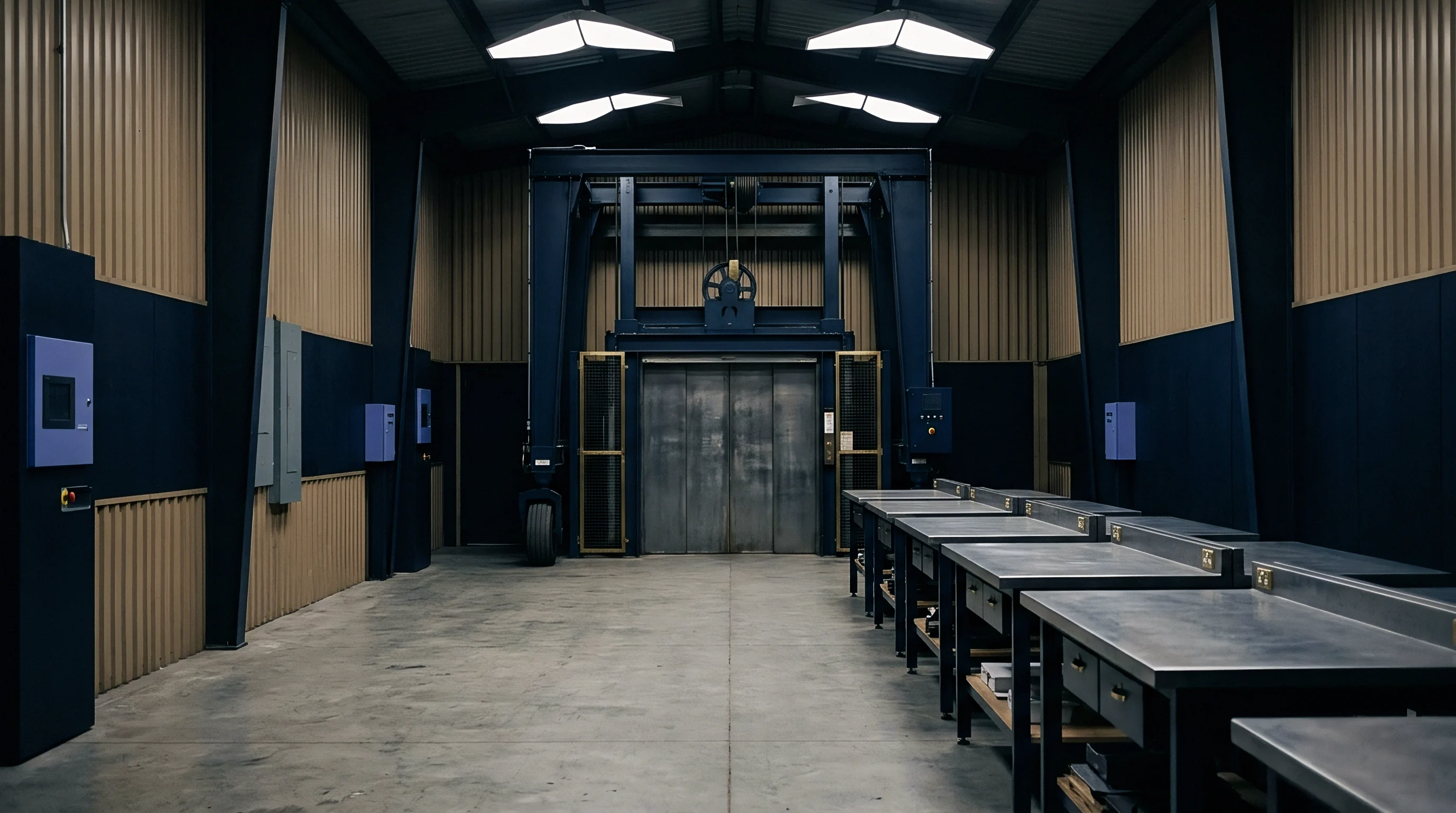

Grid
Industrial parks across Guangdong and Zhejiang frequently consolidate heavy machinery into shared fabrication centers to reduce capital expenditure for resident enterprises. Shared machine bays contain CNC machining centers, automated stamping presses, and surface treatment lines leased by multiple independent manufacturing firms. Physical floor layout within these shared facilities dictates throughput velocity and prevents cross-tenant inventory clutter.
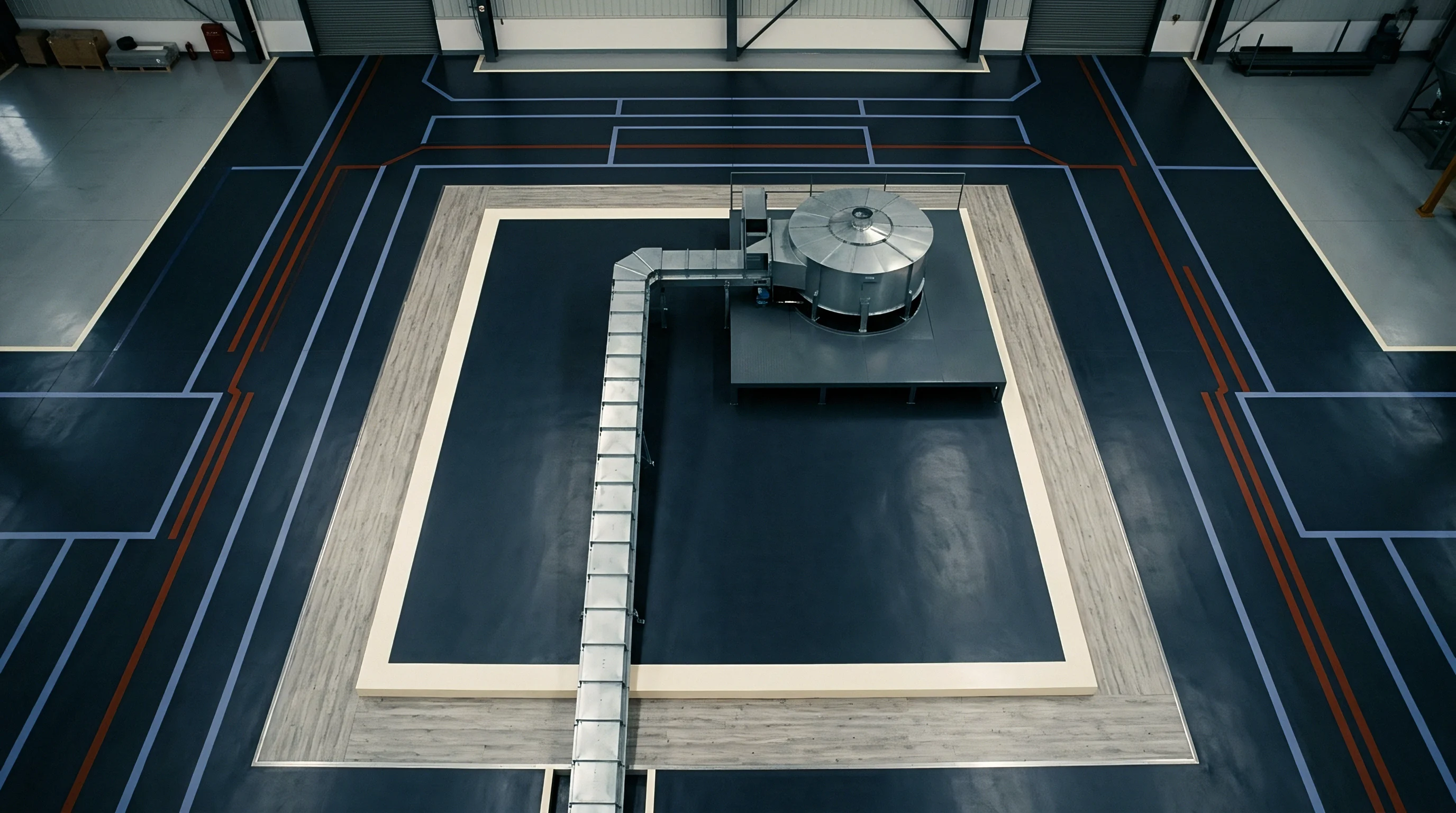
Clear boundary demarcation between tenant staging zones maintains operational order on the active plant floor.
Yellow epoxy line painting on the concrete slab establishes exclusive staging areas for raw stock and finished goods. When multi-tenant facilities neglect spatial partitioning, work-in-progress inventory bleeds across designated work zones. Mixed material lots create severe tracking errors during high-volume production shifts.
Floor management relies on rigid aisle discipline to keep fork trucks moving along main transport corridors without blocking shared workstation access points.

Spatial Zoning and Multi-Tenant Machine Allocation
Partitioning a shared workshop floor begins with load-bearing slab analysis and utility drops. High-tonnage stamping equipment demands isolated concrete foundations to damp vibration transfer to adjacent precision grinding cells. Industrial park operators map machine bays based on electrical power draw, compressed air header capacity, and centralized coolant filtration routing.
- Floor planners measure structural slab weight limits and mark primary equipment anchor points prior to machine installation.
- Utility dropped headers connect overhead pneumatic and 380V three-phase electrical lines to individual work centers.
- Staging zones receive painted floor borders designating input raw stock on the left and output finished parts on the right.
- Buffer storage spaces sit adjacent to main transport corridors to keep forklift drivers clear of active operator stations.
- Park management issues physical access badges tied to specific equipment bay timeslots for line operators.
Workstation layout directly alters job transition speed between successive tenant shifts. If the outgoing tenant leaves unmachined forgings inside the active operator zone, the incoming team loses billable machine hours clearing the bay. Industrial parks that enforce strict 1.5-meter perimeter buffer zones around shared equipment reduce changeover idle time significantly.
Shared machine bay footprint utilization drops below 62 percent when buffer zone rules are unenforced during multi-tenant shift handovers.
Submetering panel boards track real-time power consumption per tenant bay. Electricity costs represent a major variable expense during heavy machining operations, making individual panel submeters mandatory for billing accuracy. Centralized coolant supply systems pump cutting fluids directly to shared milling centers, with inline concentration sensors logging fluid degradation rates per tenant production block.
| Allocation Model | Footprint Dedicated (%) | Utility Hookup Setup | Average Changeover Downtime |
|---|---|---|---|
| Dedicated Tenant Lines | 100 | Fixed hardwired connections | 15 minutes |
| Floating Time-Share Bays | 0 | Overhead quick-disconnect drops | 75 minutes |
| Hybrid Cell Reservoirs | 40 | Modular submetered distribution | 35 minutes |

Machine Footprint Boundaries and Staging Protocols
Physical boundaries limit cross-contamination of specialty alloys between tenant production runs. Aircraft-grade aluminum scrap commands high recycling value, whereas mixing aluminum turnings with mild steel turnings destroys scrap resale prices. Shared CNC bays incorporate chip conveyor segregation chutes that dump metal turnings into tenant-specific rolling bins located under the main discharge auger.
Floor space allocation dictates pallet positioning. Stacking work-in-progress pallets more than two units high along shared gangways violates local industrial park safety standards under PRC GB/T 33000 guidelines. Equipment sits idle.
Staging bottlenecks stall surrounding workshop operations quickly. Workstation access lanes require a minimum clear width of 2.2 meters to permit dual pallet jack passage during peak shift transitions.
Failing to mark physical material boundaries allows outgoing tenants to dump uninspected castings into shared gangways, blocking incoming shift access and triggering park-wide logistics delays.
Cadence
Production scheduling across shared industrial park bays demands synchronized operating rhythms. Multiple tenant companies book machine hours weeks in advance through a centralized park management portal. Queue discipline breaks down when one tenant overrun spills into another company reserved time block.
Managing shift handovers requires strict time-box enforcement at the top of every operating cycle.
Unplanned machine downtime cascades through weekly production schedules. When a 1,000-tonne hydraulic press snaps an oil seal during a tenant run, subsequent tenant bookings freeze immediately. The park dispatch office redistributes backup machine hours based on pre-established contract priority tiers rather than informal verbal agreements.
Why Do Shared Floor Capacity Agreements Suffer Peak Bottlenecks?
Demands for shared workshop capacity spike predictably before major commercial trade deadlines and regional holiday shutdowns. Ten tenant enterprises frequently submit concurrent requests for high-precision five-axis machining centers during the four weeks preceding Spring Festival. Park dispatchers balance these surges by establishing dynamic hourly rate brackets that incentivize off-peak night shift utilization.
- Priority Tiering assigns highest machine access rights to long-term park contract holders over spot-market hourly renters.
- Buffer Reservation holds ten percent of weekly machine hours unbooked to absorb emergency maintenance and run overruns.
- Shift Handover Audits require outgoing floor supervisors to sign physical machine status sheets before power transfer occurs.
- Emergency Escalation routes capacity disputes directly to park operational managers within thirty minutes of schedule slips.
Night shift operations lower total energy expenses for heavy power consumers due to municipal industrial off-peak electric tariffs. Machinery operates continuously. Shift schedules dictate labor costs.
Balancing production cadences across peak and off-peak windows levels total electrical grid load across the entire industrial zone.
A shared machine bay running without unbooked buffer capacity will encounter cumulative schedule delays within three operating shifts.

Shift Scheduling and Operational Queue Discipline
Managing queue discipline involves tracking setup times between different product families. Switching a CNC lathe from turning stainless steel hydraulic fittings to machining brass valve bodies requires tool carousels to be completely re-tooled and recalibrated. If the outgoing tenant delays machine handover by twenty minutes, the incoming team misses their scheduled setup window.
Digital shift boards positioned at each bay entrance display real-time job status, active tenant identification, and target finish timestamps. Floor supervisors monitor these boards to identify lagging runs before complete shift blocks vanish. Unscheduled line stoppages prompt immediate technician dispatch to clear tool jams or hydraulic alarms.
When queue discipline holds firm across all tenant shifts, line velocity remains predictable regardless of individual order size variation.

Tooling
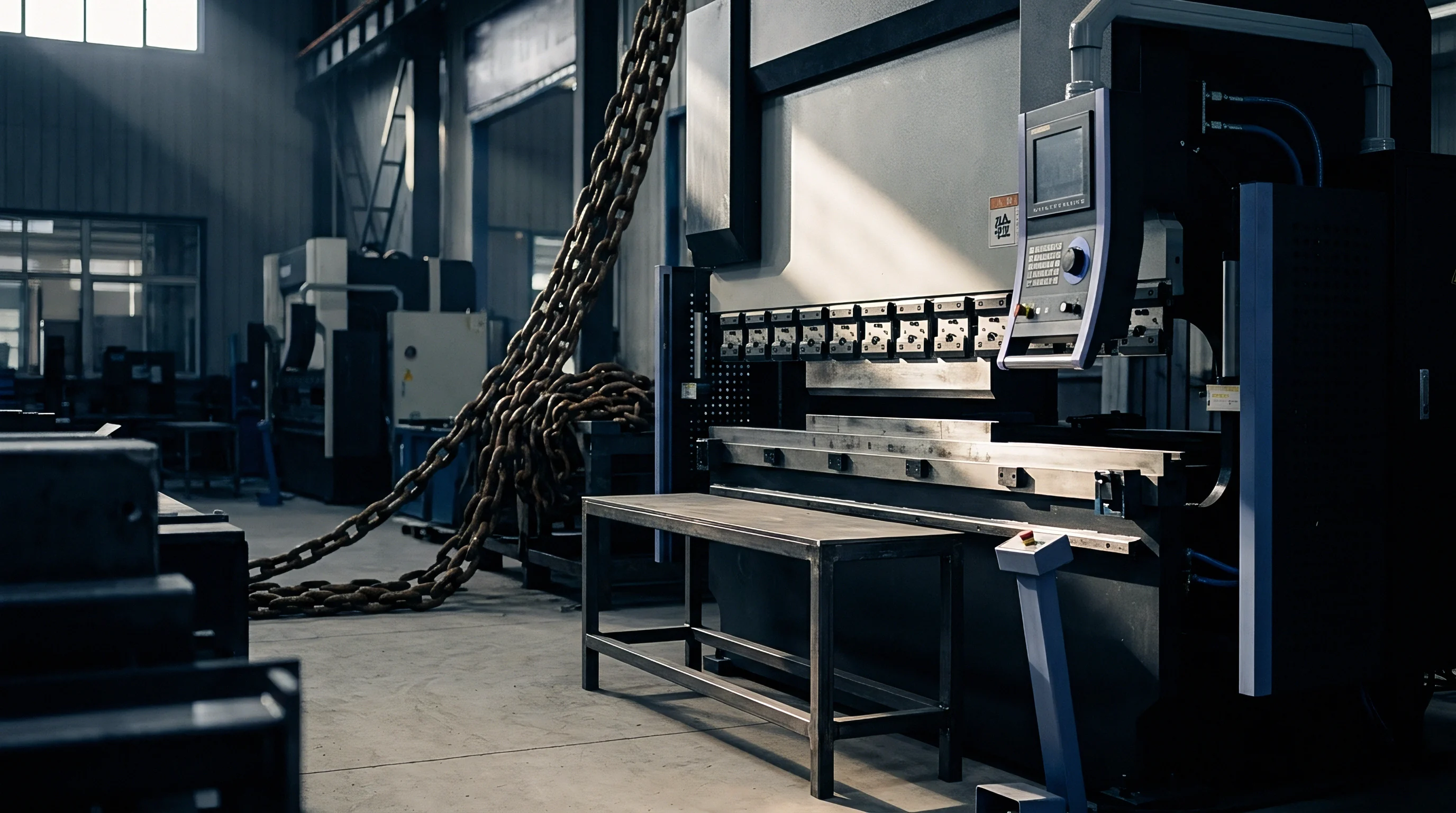
Shared machinery wears down based on operating severity and material hardness. High-speed punching tools processing high-tensile steel plates experience rapid cutting edge degradation compared to tools cutting soft aluminum sheets. Industrial park management tracks wear metrics to distribute tool maintenance expenses fairly among active tenant firms.
Fixtures, dies, and specialized cutting tool holders represent substantial capital investment. Shared park facilities maintain a centralized tool crib where standard tool holders undergo ultrasonic cleaning, laser presetting, and runout inspection prior to issuance. Tenant operators present job work orders at the tool crib window to check out calibrated tool sets assigned to their reserved machine block.
Fixture Calibration and Setup Cost Allocation
Setup costs fluctuate with fixture complexity. Securing an engine block casting onto a multi-axis horizontal machining center tombstone requires precise torqueing sequence procedures to prevent casting distortion. Park technicians perform fixture alignments using digital dial indicators, logging baseline runout figures before handing the machine over to tenant operators.
Changeovers consume time. Fixtures wear out fast. Tooling wear allocation models calculate tool life consumption per machine stroke or spindle hour.
When a tenant runs abrasive glass-filled nylon through an injection molding machine, the barrel lining and screw tip erode twice as fast as standard polypropylene runs.
| Press Tonnage Class | Setup Labor Hours | Die Wear Rate (RMB/Stroke) | Billed Tenant Rate (RMB/Hour) |
|---|---|---|---|
| 200-Tonne Mechanical | 1.5 | 0.02 | 85 |
| 500-Tonne Hydraulic | 2.5 | 0.05 | 140 |
| 1200-Tonne Servo Press | 4.0 | 0.12 | 310 |
Worked Calculation for Multi-Tenant Tooling Depreciation
Take a shared 500-tonne stamping press operating in a Ningbo industrial park serving three tenant enterprises. Total monthly machine availability equals 400 machine hours. Base capital depreciation of the press equates to 30,000 RMB per month.
Changeover labor and calibration expenses per die swap equal 1,200 RMB. Output rate averages 600 stroke cycles per machine hour, with die wear calculated at 0.05 RMB per stroke cycle billed directly to the active tenant.
Tenant A books 150 machine hours, requests 4 die changeovers, and completes 90,000 stroke cycles during the monthly billing cycle.
- Amortization Share: (150 hours / 400 total hours) 30,000 RMB = 11,250 RMB
- Changeover Labor Expense: 4 changeovers 1,200 RMB = 4,800 RMB
- Die Wear Cost: 90,000 stroke cycles 0.05 RMB = 4,500 RMB
- Total Machine Bill for Tenant A: 11,250 RMB + 4,800 RMB + 4,500 RMB = 20,550 RMB
- Effective Hourly Rate Billed: 20,550 RMB / 150 hours = 137 RMB per hour
Tenant B books 100 machine hours, requests 8 die changeovers, and completes 40,000 stroke cycles during the same period.
- Amortization Share: (100 hours / 400 total hours) 30,000 RMB = 7,500 RMB
- Changeover Labor Expense: 8 changeovers 1,200 RMB = 9,600 RMB
- Die Wear Cost: 40,000 stroke cycles 0.05 RMB = 2,000 RMB
- Total Machine Bill for Tenant B: 7,500 RMB + 9,600 RMB + 2,000 RMB = 19,100 RMB
- Effective Hourly Rate Billed: 19,100 RMB / 100 hours = 191 RMB per hour
Frequent short runs significantly increase effective hourly operating fees due to fixed setup labor accumulation.
Contractual terms governing shared tooling require calibration verification within ISO 9001 guidelines after every twenty-five operating hours.
The previous shift left the die alignment off by two tenths, so the tool broke on our first punch cycle.

Scrap
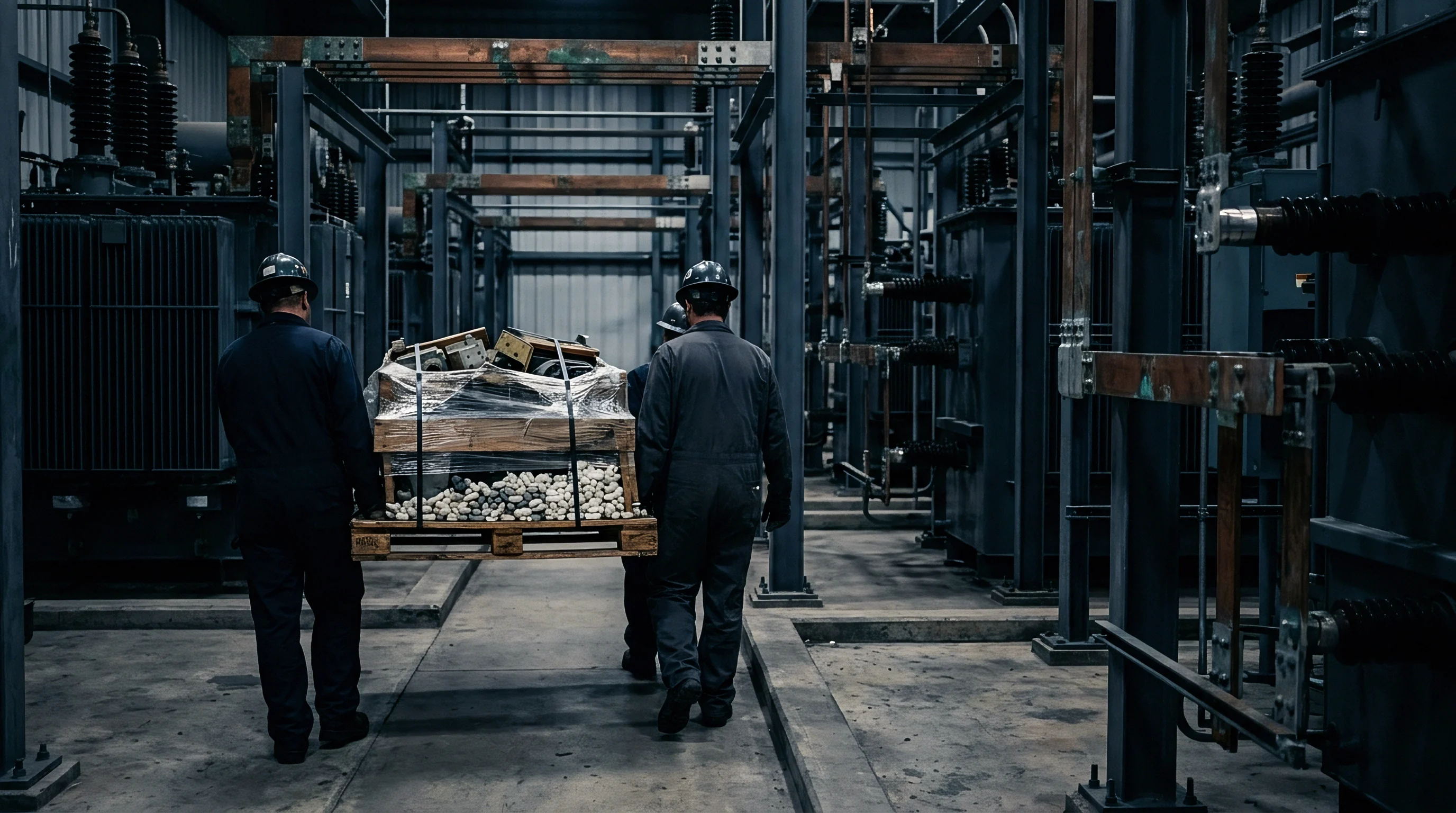
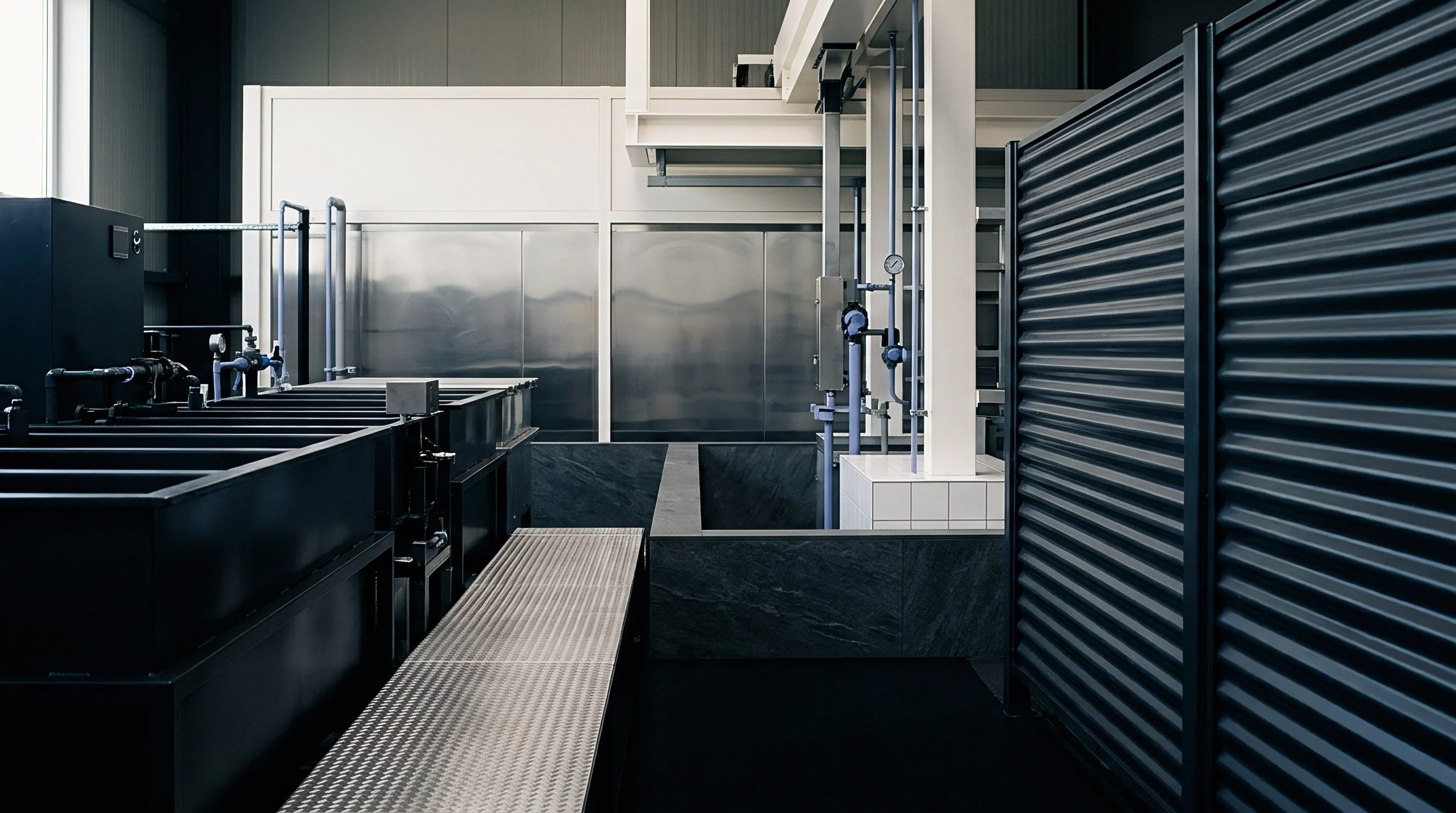
Shared workshop environments present significant risk of cross-tenant defect propagation. Machine parameters modified by one tenant can cause scrap spikes during the subsequent tenant shift if settings are not restored to baseline levels. Line clearance protocols verify that all raw stock, offcuts, and defective parts from a prior run are removed before new work starts.
Scrap rates vary widely. Calibration records exist. Shared laser cutting tables suffer thermal distortion if high-power oxygen cutting runs are followed immediately by precision nitrogen stainless steel cuts.
Quality managers check beam focal position and gas pressure delivery parameters before authorizing new batch production.
Line Clearance and Multi-Tenant Scrap Attribution
Attributing scrap correctly requires immediate inspection at the shift boundary. Quality inspectors measure the first three parts produced during a new shift run using coordinate measuring machines located in the park quality center. First-article inspection signs off on dimensional accuracy, transferring scrap liability to the current tenant operator.
- Uncleared Material Waste happens when previous tenant offcuts remain inside machine enclosures and jam automated feeding mechanisms.
- Fluid Contamination occurs when cutting fluid sumps accumulate tramp oil from unmaintained hydraulic slides between different tenant operations.
- Parameter Drift Failure occurs when custom CNC offset tables are not reset to absolute machine zero before loading new part CAD files.
- Tool Holder Runout develops when worn arbor taper seats are used across multiple tenant shifts without dynamic balancing checks.
Contamination in shared powder coating booths causes paint adhesion failures. Color changes demand full booth blowdowns and filter washouts. Skipping washdowns leads to secondary color speckling on light-colored powder finishes, forcing entire batch reworks.
First-article inspection sign-offs eliminate cross-tenant liability disputes by pinning dimensional baseline defects to the incoming tenant setup phase.
Machine Parameter Reset Inspection Steps
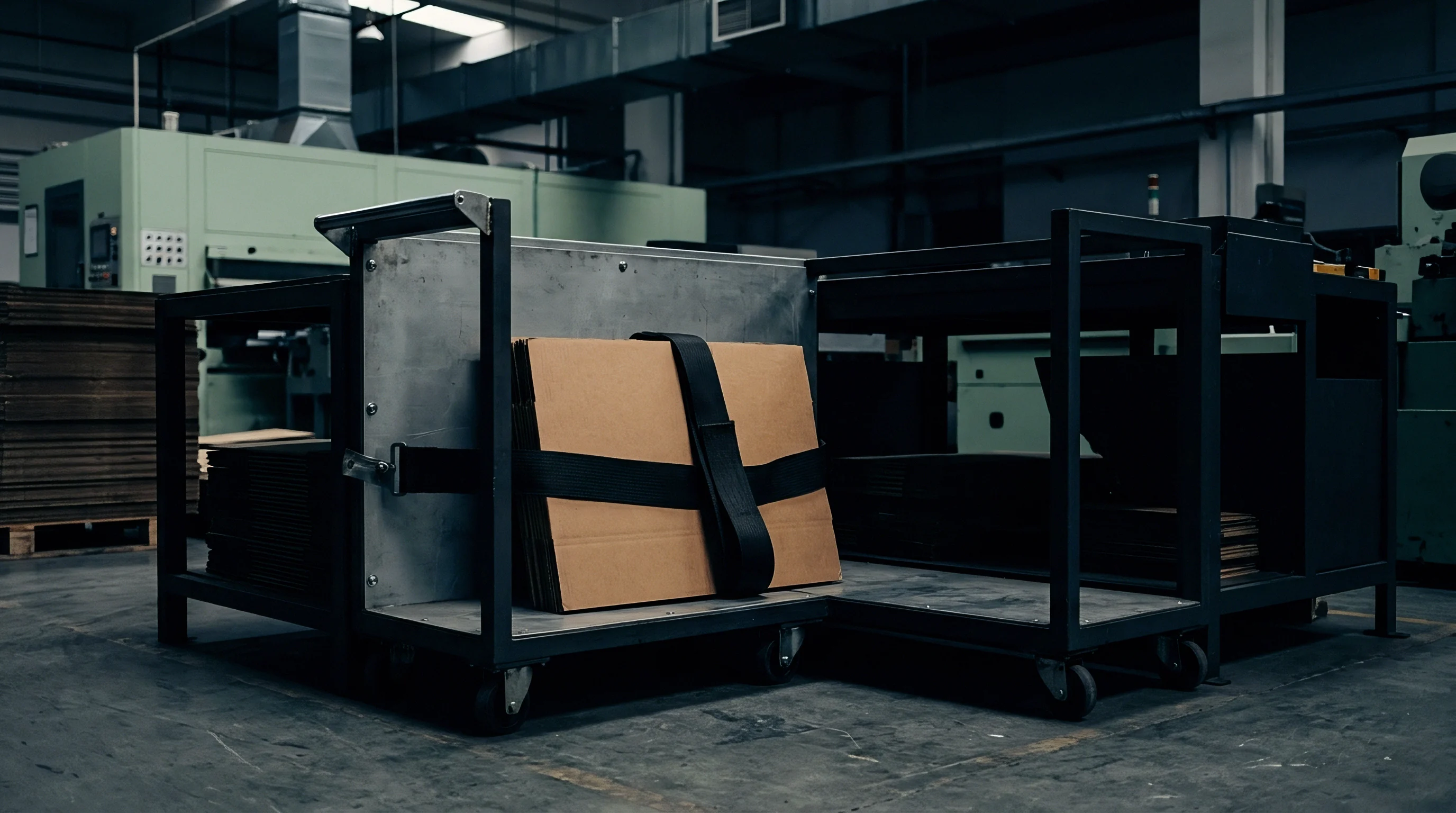
Modern CNC machine tools store hundreds of tool offset parameters in volatile memory. Park IT networks load tenant-specific G-code files through secure local servers, wiping controller memory upon shift completion. System purges protect tenant proprietary intellectual property and prevent stale offset variables from crashing tools.
Setup parameters drift. Raw inventory piles up. Unscheduled shutdowns happen.
Automated probing cycles verify part location prior to spindle engagement. Laser tool setters check tool length and diameter compensation values automatically, stopping machine execution if tool dimensions exceed programmed tolerance bands by more than 0.02 millimeters.
| Inspection Phase | Sample Size | Execution Location | Clearing Time Limit |
|---|---|---|---|
| Line Clearance Audit | 100% Visual Sweeps | Active Machine Bay | 15 Minutes |
| First Article Check | 3 Consecutives | Park Metrology Lab | 30 Minutes |
| In-Process Run Audit | 5 Parts per Hour | Cell Side Gauging | 5 Minutes |
Per the standard park facility agreement under Article 44 of the PRC Civil Code contract provisions, failure to conduct documented line clearance releases the park operator from defect indemnity claims originating from shared machine parameter drift.

Tariff
Commercial capacity management relies on clear pricing structures that balance capital cost recovery against high machine utilization. Industrial park management boards establish tiered rental tariffs that incorporate base floor space leases, hourly equipment usage fees, and variable utility submetering. Financial reconciliations execute at monthly intervals through park clearing accounts.
Idle capacity costs money. Park managers enforce penalties. Unused reserved capacity loses monetary value immediately once an operating block passes.
Capacity trading mechanisms allow tenant enterprises to list unused reserved machine hours on an internal park exchange portal, enabling neighboring enterprises to purchase short-notice capacity at secondary market rates.
Capacity Resale Tariffs and Idle Time Billing
Dynamic pricing structures stabilize park equipment demand throughout the calendar year. High demand periods trigger multiplier surcharges on spot capacity bookings, while off-peak seasonal lulls trigger discount rebates for tenants committing to fixed minimum machine hour blocks. Resale tariffs mandate a ten percent park administrative fee on secondary capacity transfers.
| Tariff Type | Minimum Hours Billed | Overage Rate Multiplier | Cancellation Notice Term |
|---|---|---|---|
| Fixed Monthly Retainer | 120 Hours | 1.15x Base Rate | 30 Days |
| Flexible Spot Reservation | 10 Hours | 1.50x Base Rate | 48 Hours |
| Dynamic Peak Trading | 1 Hour | 2.00x Base Rate | 2 Hours |
Overtime overages alter tenant cost margins rapidly. If a tenant exceeds their allotted machine window by forty-five minutes without securing park authorization, overage penalty billing strikes at double the standard hourly rate. Secondary penalties fund compensation credits disbursed to the next scheduled tenant whose start time was delayed.

Dispute Reconciliation and Overage Escrow Models
Escrow accounts safeguard financial settlements in multi-tenant shared manufacturing parks. Tenants deposit a mandatory two-month average usage security reserve upon contract signing. Park financial auditors draw from these escrow funds to settle disputed utility submetering charges, wear penalties, or machine crash damage assessments.
Dispute resolution panels consisting of park engineers and tenant representatives review machine telemetry logs when equipment damage occurs. Spindle load logs, feed rate overrides, and alarm history files are exported directly from CNC memory modules. Log data provides objective evidence of operator abuse versus legitimate mechanical component failure.
Queue delays multiply rapidly. Production delays cascade. Financial reconciliation tables close out open service ledger items at the end of each calendar month.
Unresolved asset damage claims transition into formal mediation channels managed by municipal trade arbitration commissions.
Whether secondary capacity trading portals will maintain stable spot tariffs during sudden raw material supply chain disruptions remains a persistent question for park management boards.