Root Cause Analysis for Night Shift Manufacturing Scrap
Night shift scrap spikes stem from thermal drift, degraded coolant, and unmonitored overrides; resolution requires automated telemetry and strict off-hours auditing.


Floor
Production lines running past midnight face friction that day shifts rarely see. Senior setup engineers usually finish by nineteen hundred hours, leaving the graveyard shift to operators with less experience. Adjustments to machines at night often turn to quick overrides instead of proper calibration.
If an automated press jams at two in the morning, an operator pushed to hit output targets might open up tolerances or tweak sensor feeds just to get the line moving again. Over eight hours, those unauthorized tweaks accumulate, drifting dimensions across thousands of pressed units before the morning shift walks in.
Poor lighting and fatigue on the floor throw off visual inspection accuracy. High-bay sodium lamps leave deep shadows inside complex stamping dies, hiding swarf buildup that pits part surfaces. Under dim night lights, operators easily miss fine burrs or shallow scratches that daylight inspectors catch right away.
Material staging drops in oversight too. Staging bays take in mixed batches of cold-rolled steel coils with varying hardness across heat lots. Day teams check heat lot certs before mounting a coil; night teams rushed for volume often skip those hardness checks and feed out-of-spec raw stock straight into forming tools.
- Line operators physically inventory scrap bins at the exact start of the night shift to establish a clean zero baseline.
- Quality control staff measure ambient temperature and machine sump fluid levels before powering up high-precision CNC stations.
- Engineers lock control panel keypads to stop unauthorized override of feed rates and cutting speeds during off-peak hours.
- Inspectors pull sample units every ninety minutes directly from the production stream rather than relying on batch end-of-run sorting.
- Shift supervisors log all unexpected machine stoppages and manual tool resets in a centralized paperless logbook at the time of occurrence.
Tooling wear changes as thermal cycles swing overnight. Winter temperatures in unheated Guangdong or Zhejiang workshops drop by eight to twelve degrees Celsius between afternoon peaks and pre-dawn hours, making machine frames shrink. Hydraulic oil thickens as tanks cool, shifting actuator response times on injection molding machines.
An injection stroke set for warm afternoon oil runs slower in cold morning oil, causing short shots or sink marks in molded plastic housings.
Thermal expansion shifts tooling dimensions by tens of microns when ambient shop temperatures fall past midnight.

Shift Handover Mechanics and Material Transfers
Losing information at shift handover is a major cause of scrap spikes. A fifteen minutes transition barely gives outgoing day supervisors time to brief night teams on machine quirks. A faint chatter mark spotted on a lathe at seventeen hundred hours easily gets glossed over in a rushed verbal pass.
The incoming operator runs the machine at full speed, turning minor tool chatter into rough, scrapped surfaces across three hundred workpieces. Material lot changes at night make this worse. When a resin bin runs dry at midnight, night operators dump in fresh polymer granules without checking drying times.
Wet resin feeds into the extruders, producing internal voids and brittle parts through the rest of the shift.

Operator Skill Distribution across Work Windows
Technical expertise concentrates on the day shift across most Asian manufacturing hubs. Toolmakers, maintenance specialists, and quality managers work daylight hours, leaving night shifts with skeleton maintenance support. If a complex multi-stage progressive die slips out of alignment at three in the morning, night crews lack the experience to shim the tooling properly.
Instead, they crank up hydraulic press pressure to force parts into spec, accelerating die wear and throwing burrs. Maintenance logs show that ninety percent of emergency tool repairs happen during the first four hours of the morning shift, fixing damage done during unsupervised night runs.
Factory management frequently blames midnight dimension drift on raw material batch variations delivered earlier in the week.


Clock
Scrap spikes track closely with human circadian lulls and shift schedules. Hourly yield measurements show scrap climbing steeply after two in the morning, reaching a peak around four thirty. Operator reaction times slow down sharply in this window, making it harder to spot feeder misalignments before a press strikes.
Scheduled machine maintenance intersects with these timing cycles too. Lube systems set to cycle every six hours throw oil spray that fouls part surfaces if drain channels clog overnight.
- Micro-sleep line pauses interrupt manual loading on semi-automated assembly lines, resulting in misplaced parts and bent connector pins.
- Delayed bin clearing lets finished parts pile up into ejector chutes, crushing delicate stampings against moving dies.
- Coolant concentration decay slips by between midnight checks, burning the surfaces of ground ceramic parts.
- Premature packing routines by fatigued operators wrap warm plastic moldings before they fully cure, permanently warping parts inside shipping cartons.
Off-peak maintenance routines are often rushed. Night technicians frequently postpone filter cleanouts or spindle alignments to avoid taking critical lines down. They clear automated alarm codes to keep the line moving, hiding mechanical drag.
A motor pulling high amperage from bearing friction keeps running until it seizes completely, destroying the work coil and ruining the entire batch on the conveyor.
Quality agreements under ISO 2859-1 standard double-sampling plans mandate containment of off-peak production lots exhibiting elevated defect ratios.

Circadian Performance Curves and Adjustment Latency
Error rates multiply on the third shift as fatigue sets in. Visual alertness drops, slowing operator response when monitoring systems flash warnings. Operators running multi-spindle drills miss the faint tone changes that signal a chipped bit.
The damaged bit keeps drilling, leaving rough entry holes and out-of-round bores across hundreds of aluminum engine castings. Judgment slows down sharply after four hours of continuous night work. Faced with minor dimensional drift, tired operators prioritize line speed over recalibration, letting scrap build up to avoid logging line stoppages on shift reports.

Where Do Thermal Offsets Expand Night Defect Rates?
Precision machining lines suffer severe dimensional drift when ambient shop temperatures drop without automated compensation. Large CNC machine beds shrink as the building cools toward dawn, while linear glass scales shift, sending corrupt position feedback to the controller. A tool path set for twenty-two degree Celsius cuts too deep when ambient air drops to fourteen degrees at five in the morning.
Bores shrink below lower tolerance limits, turning expensive castings into unrecoverable scrap. Without active thermal compensation running on CNC controllers, this drift goes unnoticed until morning inspectors run coordinate measuring machine audits on midnight runs.
Skipping dual-shift temperature logs hides tooling thermal growth, producing out-of-spec scrap that passes through unnoticed until reaching customer receiving inspection.

Drift
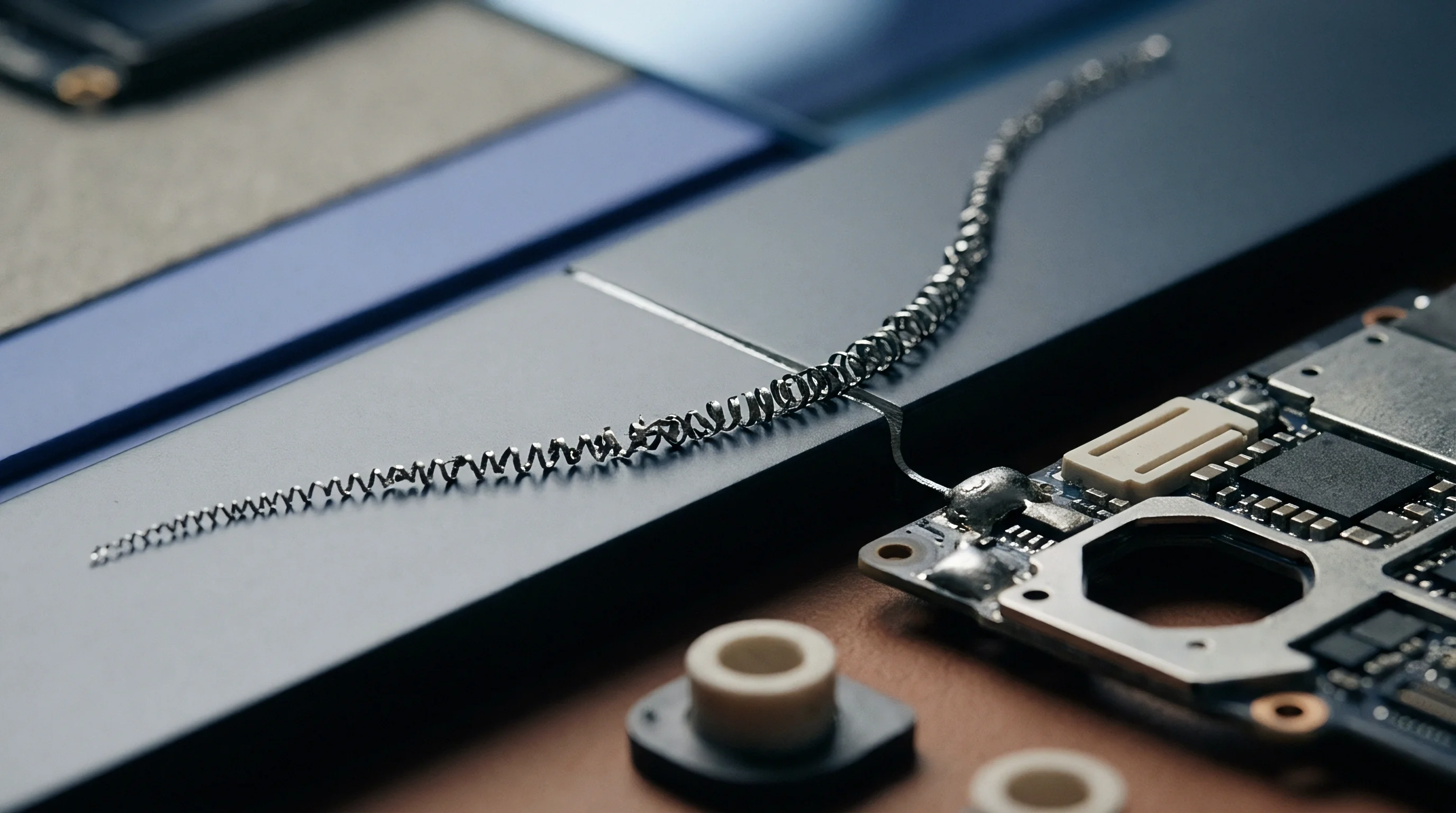
Mechanical hardware, cutting fluids, and control sensors steadily degrade over long night runs. Coolant emulsions break down under continuous shear stress, losing lubricity and heat transfer performance over twelve hours of non-stop operation. Tramp oil seals off the coolant sump surface, starving the fluid of oxygen and triggering anaerobic bacterial growth overnight.
The acidic fluid eats at fine carbide edges, accelerating tool wear and tearing aluminum housing surfaces during late-night cycles.
| Parameter | Day Shift Baseline | Night Shift Variance | Root Cause Mechanism |
|---|---|---|---|
| Ambient Air Temperature | 24°C to 28°C | 14°C to 18°C | Unheated plant cooling causing structural machine bed contraction. |
| Coolant Fluid pH | 8.8 to 9.2 | 7.6 to 8.1 | Tramp oil buildup fostering overnight anaerobic bacterial growth. |
| First-Pass Yield | 98.4% | 91.2% | Delayed tool wear intervention and sensor calibration decay. |
| Unscheduled Line Halts | 1.2 per shift | 4.7 per shift | Aggressive feed overrides leading to automated safety trips. |
Sensor calibration drifts over long runs when left unchecked. Photoelectric sensors detecting part placement build up dust and oil mist, losing optical clarity. The sensor fires late, causing transfer arms to clamp parts off-center.
Hydraulic clamping force drops as pump oil reaches peak operating temperature and viscosity shifts. Under heavy milling passes, workpieces slip in their fixtures, causing bad cuts that ruin entire lots.
Unscheduled tool changes executed during off-peak windows increase surface roughness defects by thirty percent when offset values are entered manually.
Tooling Wear and Fluid Calibration Decay
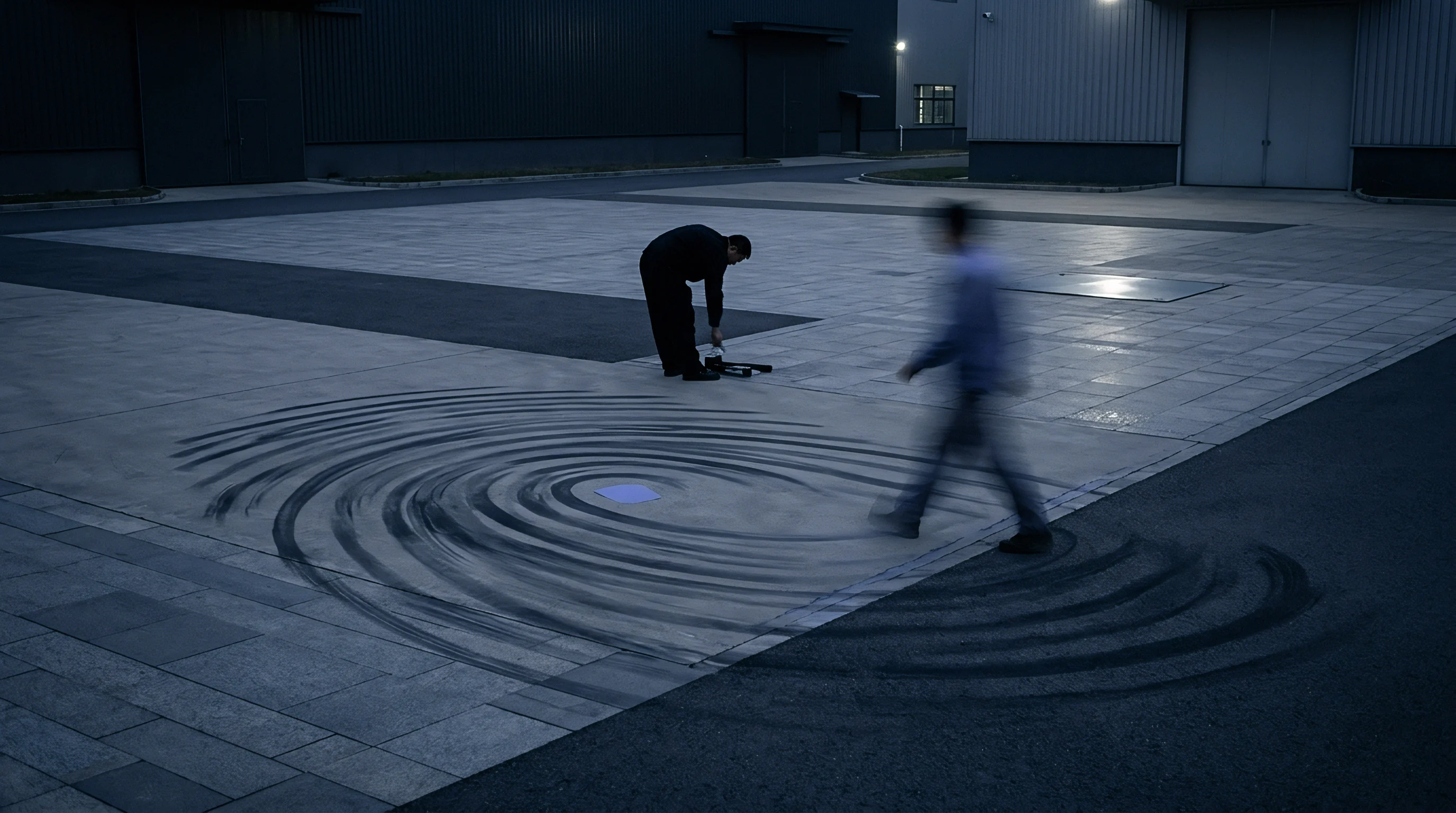
Cutting edges wear faster when coolant delivery pressure drops overnight. Swarf builds up inside coolant nozzles and chokes flow, starving the cutting zone of lubrication. Elevated temperatures micro-chip indexable carbide inserts.
Without easy tool crib access at night, operators push worn inserts past their limit. Wear land expands, raising cutting forces and tapering turned shafts. Machined surfaces smear and work-harden, causing taps to snap inside holes during downstream operations.
Sensor Offset and Automated Rejection Thresholds
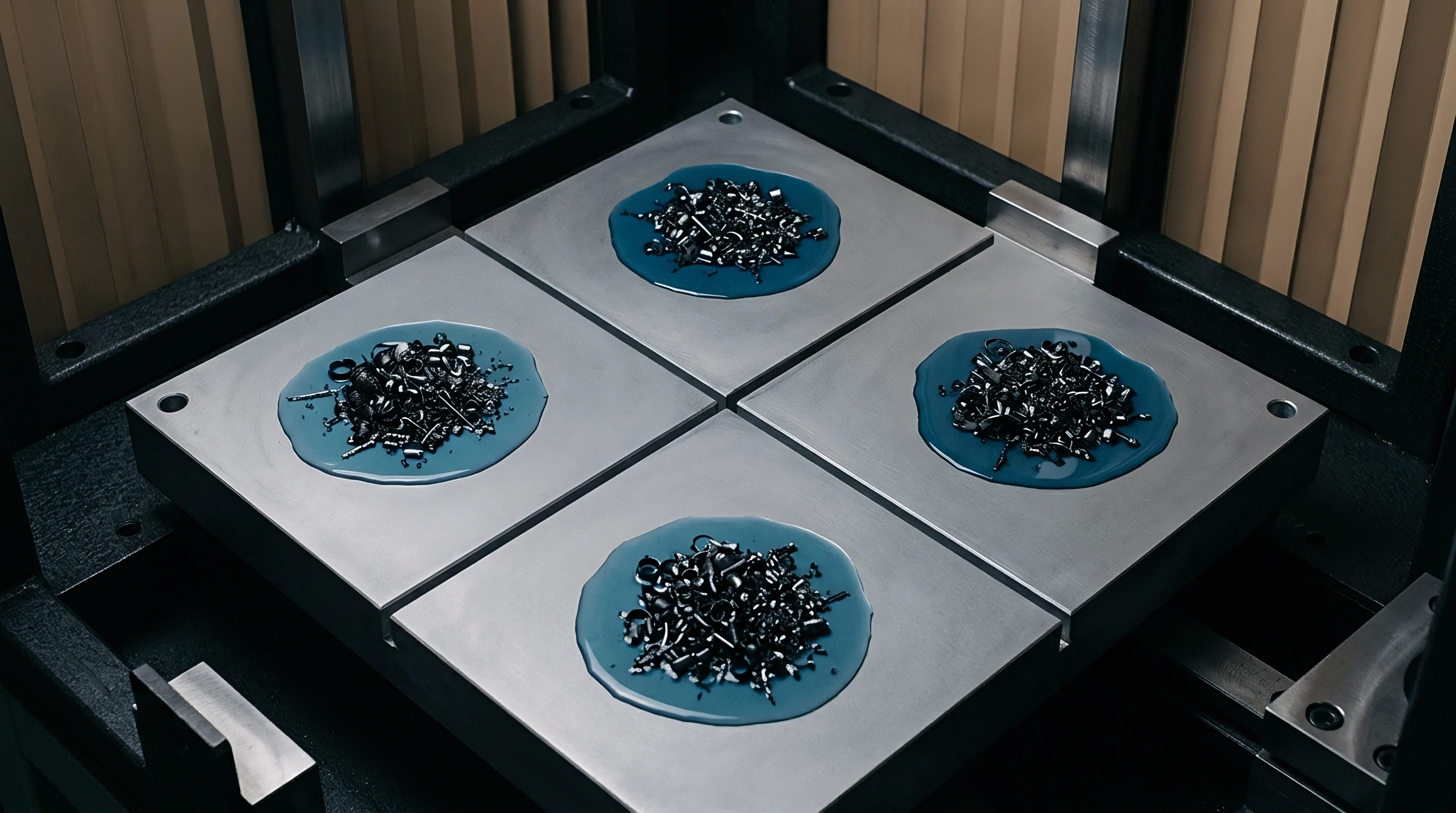
High-speed vision inspection systems rely on stable lighting to hold detection thresholds. The shift from daylight to artificial night lighting alters baseline pixel contrast on vision cameras. Shadows from plant lamps confuse edge-detection algorithms, causing systems to flag false surface cracks on good parts or pass cracked parts unnoticed.
Setting camera exposure strictly during day shifts leaves vision systems uncalibrated for night runs.
Standard quality supply contracts require full lot sorting at the supplier’s expense whenever uncalibrated night tooling causes dimensional variance over two percent.

Variance
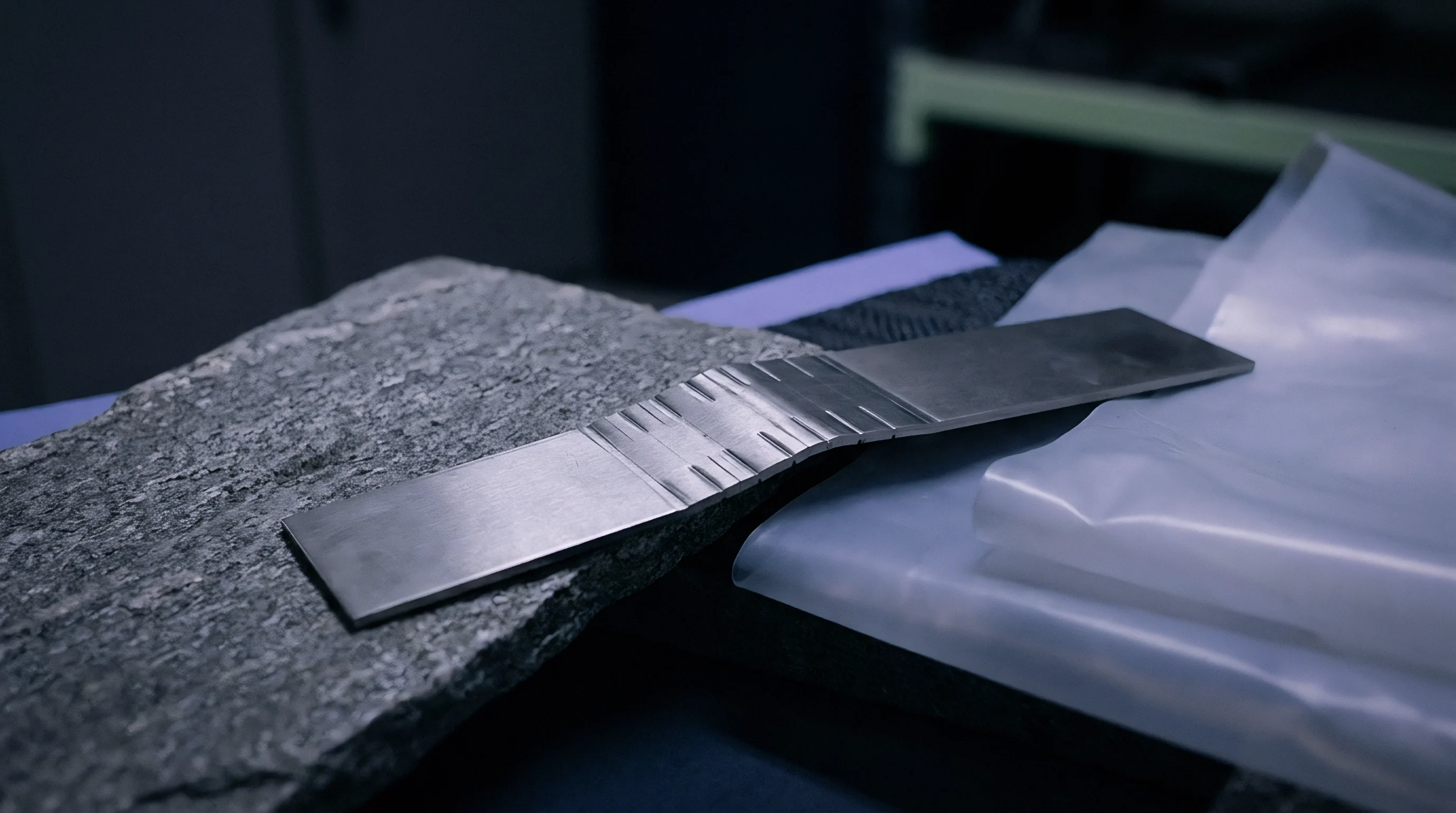
Calculating the real cost of night scrap means separating reported scrap from off-the-books rework. Under pressure to hit shift output targets, night supervisors often stash bad parts in unrecorded rework bins. Operators grind, file, or re-machine those components in the early morning to squeeze them through basic dimension checks.
That manual rework strips away heat treatments and plating depth, leaving hidden structural defects that pass factory gates only to fail in the field.
| Defect Category | Night Manifestation | Direct Scrap Unit Cost | Rework Scrap Unit Cost |
|---|---|---|---|
| Dimensional Oversize | Thermal contraction of boring bar | $12.50 (Scrap Raw Material) | $4.20 (Secondary Lathe Pass) |
| Surface Pitting | Swarf accumulation under die | $45.00 (Destroyed Stamping) | $18.50 (Manual Belt Grinding) |
| Voiding / Porosity | Un-dried polymer granule feed | $8.80 (Resin Loss) | Non-reworkable (Total Loss) |
| Short Thread Depth | Worn tap pushed past edge life | $60.00 (Complex Machined Casting) | $14.00 (Manual Hand Retap) |
Yield metrics must be separated by shift timestamps during data analysis. Blending daily yield figures hides deep night dips behind steady day performance. A plant averaging ninety-five percent overall first-pass yield might run at ninety-nine percent during the day and drop to eighty-seven percent at night.
Combining those figures masks real process capability issues. Stratifying yield data through variance models isolates the exact hours where capability indices drop below tolerance.
Consider a precision CNC machining center running a ten-thousand-unit production batch across two twelve-hour shifts. The day shift produces five thousand units with a zero-point-five percent scrap rate, generating twenty-five rejected units. The night shift runs the same program on the same machine but encounters coolant temperature drop and operator fatigue, resulting in a four-point-eight percent scrap rate that yields two hundred and forty rejected units.
Direct raw material costs equal thirty dollars per unit, while machining time invested prior to rejection adds twelve dollars per unit. The financial loss from night scrap totals nine thousand nine hundred and sixty dollars, compared to one thousand and fifty dollars for the day shift. Factoring in secondary manual rework costs for an additional three hundred marginal units produced at night adds four thousand five hundred dollars in labor and tool wear.
The total financial penalty of night variance reaches fourteen thousand four hundred and sixty dollars for a single run, wiping out the operating margin of the entire contract.
Isolating first-pass yield calculations by discrete hourly windows prevents day shift output from diluting off-peak quality failures.

Statistical Isolation of Off-Peak Yield Loss
Process capability metrics calculated over twenty-four-hour windows mask true process shifts. Control limits drawn from mixed-shift data create wide bands that obscure specific root causes. When data is split by operating shift, night metrics show higher standard deviations and frequent out-of-control points.
Capability indices drop from one-point-six-seven during morning operations down to zero-point-eight-nine in pre-dawn hours, highlighting variables like operator intervention frequency and hydraulic pressure stability that drift overnight.

Financial Calculation of Hidden Rework Costs
Scrap accounting must track lost machine capacity alongside raw material write-offs. When a machine scraps a part at three in the morning, power, tool life, and spindle time are permanently lost. Machining a complex casting for forty-five minutes before a broken drill bit ruins it wastes three-quarters of an hour of precision spindle capacity.
On a plant floor running near capacity, that lost time is unrecoverable revenue. True scrap cost combines direct material values with machine hourly rates and line disruption penalties.
Whether suppliers will voluntarily install real-time automated visual telemetry on legacy CNC lines without buyer co-financing remains an open negotiation point across East Asian machining hubs.


Oversight
Controlling night shift scrap requires changing how factory data is tracked and audited. Automated machine telemetry replaces subjective shift logs with hard data. Wiring CNC controllers and presses directly into data historians captures spindle loads, feed overrides, and cycle times in real time.
If an operator bumps feed rates by thirty percent at two in the morning to wrap up early, the system catches the override immediately. Matching telemetry logs against physical scrap bin counts pinpoints exactly when parameters drifted.
Independent off-hours audits break up the isolation of night shifts. Unannounced quality checks between midnight and five in the morning catch procedural shortcuts that scheduled daytime audits miss. Auditors inspect material staging, coolant concentrations, and operator setup steps, verifying whether crews use calibrated torque wrenches or rely on manual feel.
Enforcing the same operational discipline on night shifts narrows the performance gap with day operations.
Root cause investigations need to account for off-peak operating conditions. Traditional five-why analysis falls short when handled purely by day staff who were not on the floor overnight. Investigation teams must include the night operators, setup technicians, and maintenance staff present when the scrap spike occurred.
Video logs over tool setups and staging bays give clear visual evidence, settling inter-shift arguments over material handling and machine crashes.

Automated Data Telemetry and Log Cross Matching
Connecting programmable logic controller data to quality software flags process anomalies as they happen. Monitoring algorithms watch sensor streams for the subtle shifts that signal impending tool or part failure. If spindle vibration climbs over two hours during a night run, the system alerts the night supervisor’s mobile device automatically.
Interlocks lock out machines whenever coolant pressure or clamping force drops below safety limits, preventing out-of-spec runs during unsupervised shifts.
Structured Auditing Protocols for Off-Hours Production
Night auditing protocols need clear checklists backed by immediate escalation paths. Audit teams evaluate physical plant conditions alongside machine telemetry, verifying lighting levels, ventilation, shift rotation schedules, and protective gear. Plant floor conditions directly impact operator fatigue; keeping workspace temperatures and lighting controlled cuts down on human assembly errors.
Audit scores tied directly to supplier ratings push plant management to invest in night supervision and tooling controls.
Night shift quality control succeeds only when off-peak inspection authority matches daytime engineering authority.