Enforcing Shop Floor Process Routing Cards in China
Enforcing process routing cards in China requires physical station interlocks, daily shift audits, piece-rate incentives, and contract penalties.


Traveler
Process routing cards in Chinese contract manufacturing facilities function as the primary physical ledger connecting an engineering drawing to a finished part. Known locally as gongyi yizhi ka or process consistency cards, these physical travelers attach to moving production lots from raw material release to final packaging. In many workshops across Zhejiang and Guangdong, a disconnect emerges between the formal routing approved during production part approval and the actual station sequence executed on the line.
Floor workers frequently view the traveler as administrative overhead intended for external auditors rather than an active control document. When production quotas pressure a shift, operators combine separate heat treatment batches, skip secondary deburring passes, or bypass intermediate dimensional inspections entirely. The card receives an identical set of rubber stamps at the end of the shift regardless of whether the operations occurred in sequence.
Establishing operational control begins with structural changes to the traveler document itself. A standard ISO 9001 routing card downloaded from a template library fails on a fast-moving line because it lacks physical station-gate validation. Effective travelers isolate parameters that directly govern key characteristics.
They define mandatory hold points where a lot cannot move to the downstream workstation without an independent quality inspector stamp.
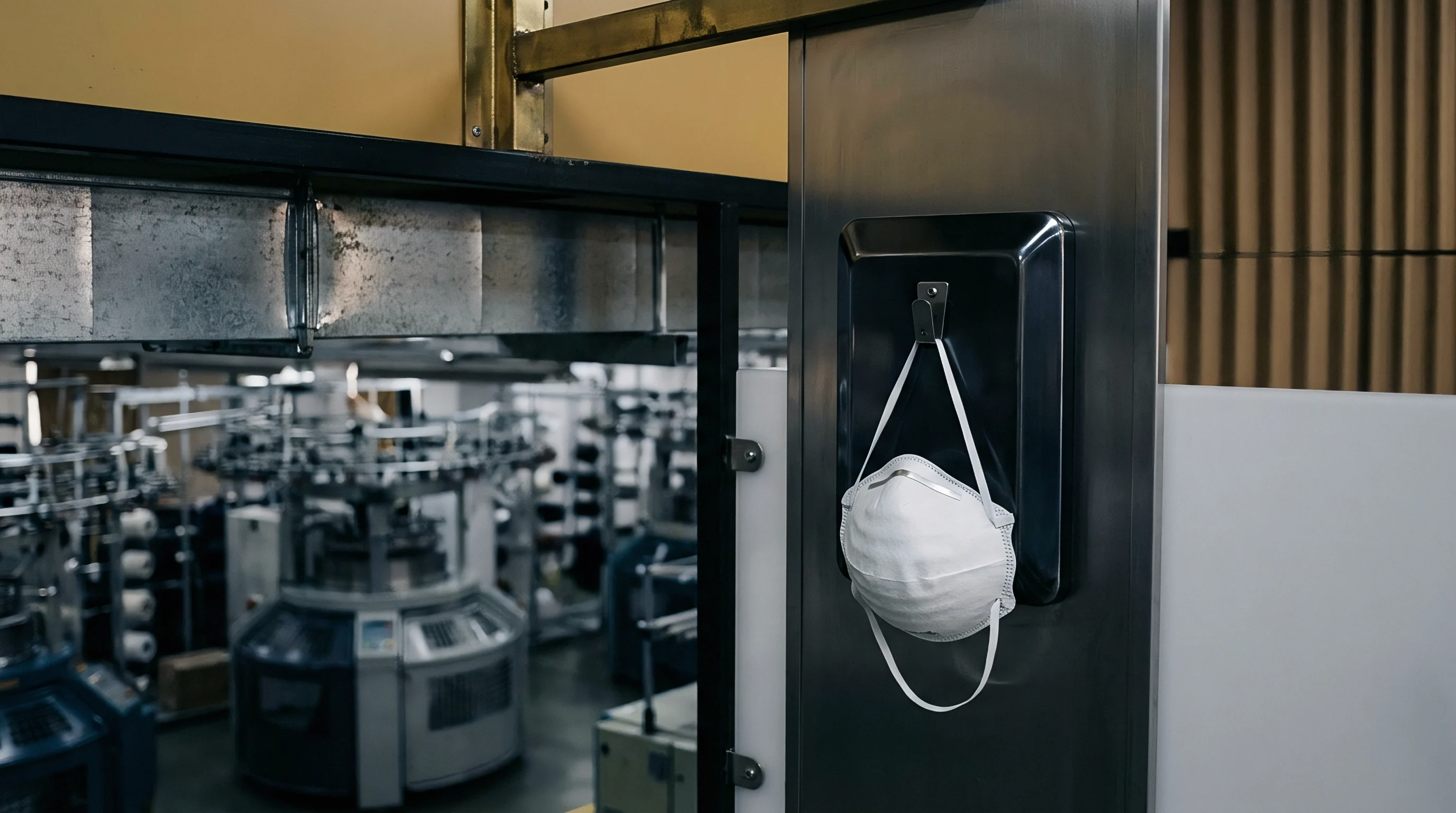
Traveler Field Architecture
A functional shop floor traveler contains specific operational fields structured to prevent retrospective stamping. Printed parameters must specify exact machine settings rather than broad standard operating procedure numbers. If a CNC milling step specifies spindle speed and feed rate directly on the card, the operator cannot claim ambiguity when running tooling beyond design limits.
Every routing card requires dedicated rows for lot traceability. Raw material heat numbers, sub-tier plating batch codes, and operator identification badges attach directly to each operation block. When a defect surfaces three processes downstream, the physical card identifies the exact machine bay and shift responsible.

Failure Modes in Daily Processing
Process deviations on the workshop floor follow consistent patterns driven by piece-rate compensation and machine scheduling bottlenecks. Operators optimize for individual daily throughput rather than cumulative yield. Skipping an intermediate washing step saves four minutes per basket, allowing an operator to complete extra units before shift end.
Batch consolidation represents another frequent floor departure. When heat treatment furnaces or anodizing tanks operate near capacity, technicians merge parts from three distinct production lots into a single thermal cycle. The traveler card for each lot receives a stamp indicating individual processing, masking variations in soak time and cooling rates across the mixed batch.
| Traveler Field | Floor Discrepancy Mode | Operational Root Cause | Quality Consequence |
|---|---|---|---|
| Operation Sequence Number | Out-of-order execution | Downstream machine availability | Internal stress formation prior to stress relief |
| Operator Sign-off Stamp | End-of-shift batch stamping | Piece-rate output speed | Uninspected dimensions entering sub-assembly |
| Hold Point Verification | Bypassed inspector check | Inspector shortage or line backlog | Latent plating defects buried under powder coat |
| Thermal Soak Duration Log | Estimated furnace timestamps | Furnace cycle rate pressures | Inconsistent grain structure and hardness drop |
Line managers often defend these short-circuits by stating that the factory met every final print dimension on the last twenty shipments without customer rejection.


Station
Physical enforcement of routing cards requires mechanical and digital barriers at the individual workstation level. Relying on an operator’s memory or willingness to sign a paper sheet yields inconsistent results over a twelve-hour shift. Station controls convert the routing card from a passive record into an active key that physically grants access to tools, fixtures, or power supplies.
Advanced facilities implement traveler passports equipped with encrypted radio frequency identification tags attached to production totes. The machine control system reads the tote tag and cross-references the factory manufacturing execution system. If the previous process stamp is absent in the digital ledger, the CNC machine controller blocks the operator from loading the cutting program.
Physical fixtures remain locked until the traveler validates operational sequencing.
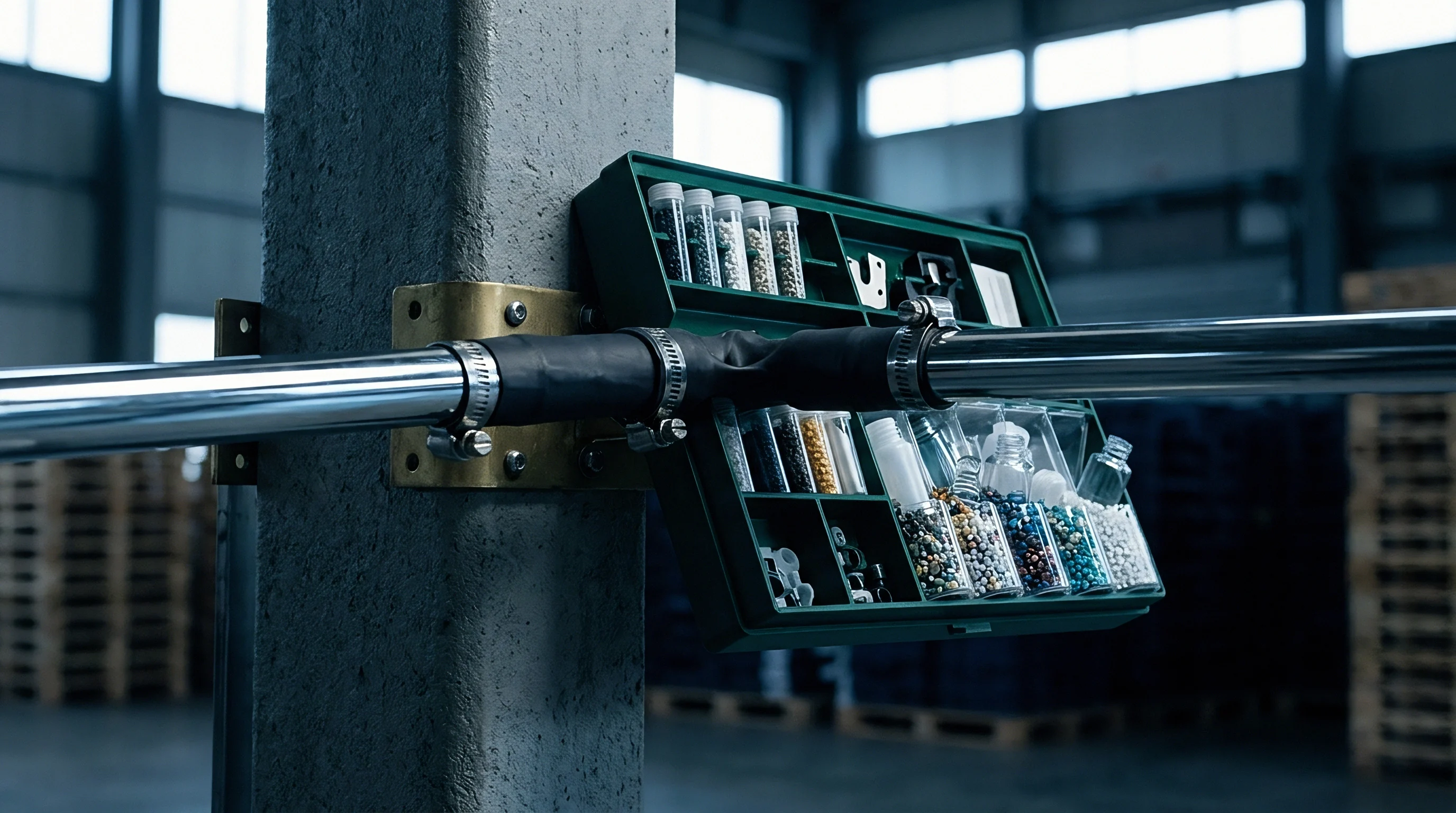
Physical Interlocks and Station Passports
Where digital factory networks are absent, low-technology physical interlocks deliver equivalent operational discipline. Color-coded physical stamps assigned to individual quality inspectors create an instant visual audit trail across the floor. Stamps feature distinct geometric boundaries that change monthly, preventing operators from purchasing duplicate stamps at local markets.
Tooling storage cabinets connect directly to traveler verification. A die or specialized assembly jig stays locked inside a storage carousel until the physical traveler receives a signed release from the setup technician. The setup technician verifies tool wear limits before issuing the die to the workstation.
A physical barrier at the station floor removes the choice to skip process steps.

Which Gate Checks Stop Unauthorized Process Swaps?
Preventing process swaps requires continuous validation at specific transitions along the production path. The transition from raw machining to surface treatment represents the highest risk point in precision metal fabrication.
- Material release gate validates raw bar stock heat numbers against the mill test certificate before issuing the routing card to the shop floor.
- First article inspection gate locks machine operation until a quality technician verifies the initial part off the tool against drawing specifications.
- Special process transfer gate requires a stamped chemical or thermal test strip attached to the traveler lot before leaving the heat treatment floor.
- Sub-contractor receipt gate mandates incoming dimensional re-verification before external surface-treated parts re-enter the main assembly line.
Removing these physical gates allows non-conforming parts to advance deep into assembly. Scrap costs multiply exponentially for every downstream station a defective component crosses. A part scrapped at raw forging costs pennies.
The same part scrapped after six CNC operations, vacuum carburizing, and final grinding consumes dozens of dollars in wasted machine capacity.


Cadence
Installing process control hardware and revised cards achieves little without a disciplined floor review rhythm. Operational discipline decays rapidly when factory leadership senses that foreign buyers inspect records only during quarterly visits. Establishing a predictable daily audit cadence forces line supervisors to maintain traveler integrity continuously.
The daily floor review routine operates on two distinct time horizons. Every morning at six thirty, the shift supervisor walks every workstation with an active traveler log. The supervisor verifies that the physical part count in each tote matches the written quantity listed on the card attached to the pallet.
Discrepancies trigger an immediate floor hold.

Daily Line Audits and Shift Handovers
Shift handovers represent vulnerable operational moments where traveler continuity breaks. The outgoing operator leaves a station with forty parts completed, but signs the routing card for fifty to hit production targets. The incoming operator inherits the discrepancy and either falsifies downstream signatures or stops the line to demand a re-count.
Formal handover protocols require both shift operators to sign the traveler simultaneously at the workstation interface. The outgoing operator proves part count accuracy to the incoming operator. The incoming operator accepts financial liability for the lot count upon applying their shift stamp to the physical traveler card.
Daily line audits detect process drifts before non-conforming parts reach the export container.

Aligning Operator Piece Rates with Process Discipline
Standard piece-rate compensation in Chinese manufacturing creates a direct financial incentive to bypass process controls. When worker pay depends exclusively on raw output units, an operator views time spent stamping cards, cleaning locating pins, or logging thermal data as lost income. The incentive structure actively penalizes process adherence.
Effective management restructures piece-rate formulas to include a quality control multiplier tied directly to traveler compliance. The floor system calculates monthly bonuses using specific traveler audit metrics alongside total volume.
- Perfect traveler compliance bonus pays a fifteen percent premium on piece-rate totals when zero card sign-off errors occur during weekly spot checks.
- Unstamped operation penalty forfeits piece-rate earnings for the entire production lot if an operator passes unverified parts downstream.
- Bypassed hold point deduction docks supervisor performance bonuses when line audits discover unauthorized operation order swaps.
- Traceability logging incentive provides additional hourly allowances for detailed logging of tool changes and sub-tier lot shifts on the card.
Process compliance improves rapidly when worker take-home pay aligns with card discipline.


Contract
Floor enforcement mechanisms require explicit backing in the commercial agreement between the buyer and the manufacturing facility. Standard purchase orders that specify only part numbers, unit prices, and delivery dates leave the factory with broad legal latitude to modify internal process steps. Chinese courts interpret vague quality standards against the buyer when commercial contracts lack explicit operational parameters.
The manufacturing contract must incorporate the shop floor process routing card directly as an enforceable schedule. The agreement defines any unauthorized deviation from the agreed process sequence as a material breach of contract, irrespective of whether final dimensional checks pass.
Quality Agreement Rider Integration
A comprehensive quality agreement rider establishes the exact legal status of the traveler document. The rider explicitly names the approved manufacturing process flow chart and binds the factory to execute every listed operation in exact numerical order. Substitutions of equipment types require formal engineering change requests signed by the buyer’s technical representative.
Contractual clauses dictate physical retention requirements for completed routing cards. The factory archives all physical travelers in weather-proof storage for five years, making cards available for buyer audit within twenty-four hours of a written demand.
| Process Deviation Type | Verification Method | Immediate Commercial Remediation | Escalated Legal Remedy |
|---|---|---|---|
| Skipped Thermal Treatment | Hardness testing and card audit | One hundred percent lot rejection at supplier expense | Cancellation of active purchase order balance |
| Unauthorized Sub-contracting | Sub-tier sign-off absence | Fifty percent unit price reduction on affected batch | Reimbursement of secondary inspection fees |
| Missing Operator Identification | Daily shift audit inspection | Mandatory line shutdown until lot re-inspected | Forfeiture of quarterly compliance bonus pool |
| Out-of-sequence Machining | Coordinate measuring machine log | Full dimensional audit of entire production run | Supplier payment of third-party lab verification |

Liquidated Damages for Process Departure
General claims for damages following a quality failure present heavy evidentiary burdens in cross-border disputes. Liquidated damages clauses set clear, pre-agreed financial penalties for specific process departures, bypassing the need to prove direct loss figures in local court proceedings.
The contract assigns fixed monetary charges for every unverified or bypassed traveler step discovered during third-party factory audits. The buyer deducts these liquidated charges directly from outstanding commercial invoices.
Contractual liquidated damages convert floor process departures into immediate invoice deductions.
According to standard quality agreement riders enforced in Chinese supply chains, the buyer reserves the right to reject any delivered lot where traveler sign-off stamps are missing, incomplete, or executed out of sequence, regardless of final product dimensional pass rates.


Receipt
Enforcing shop floor process routing cards carries direct financial costs that appear on the operational ledger. Deploying resident inspectors, installing digital barcode tracking gates, and adjusting piece-rate multipliers demand capital commitment. Calculating the return on this oversight expenditure requires analyzing scrap logs, warranty claims, and rework invoices before and after enforcement.
Absence on the shop floor leaves a financial void filled by secondary rework expenses. When an uninspected machining step damages internal threads, downstream assembly teams spend hours tapping holes manually to salvage the batch. These labor hours remain hidden inside overhead allocations unless scrap logs tie directly back to traveler sign-offs.

Scrap Log Reconciliation Mechanics
Reconciling scrap logs against traveler cards provides an accurate accounting of process compliance costs. In unmanaged facilities, scrap totes sitting beside machine bays are emptied at the end of each shift without logging part numbers, lot codes, or responsible stations. Floor managers obscure internal yield losses to avoid performance penalties.
Mandatory reconciliation protocols require every scrapped component to enter a secure holding cage accompanied by its original physical traveler. A designated quality supervisor logs the scrap reason code directly onto the traveler card, cross-referencing the specific operation where the failure occurred. Scrap items undergo weekly physical counts against traveler logs before scrap dealers collect the material.

Worked Calculation of Uncontrolled Bypass Costs
Consider a production run of 10,000 precision stainless steel valve bodies manufactured at a facility in Ningbo. The baseline unit price stands at $12.50 per piece. The agreed process routing card mandates a secondary stress-relief annealing step costing $0.85 per unit, followed by final seat grinding.
To hit a holiday shipping deadline, the factory supervisor bypasses the stress-relief annealing step on a batch of 3,000 units. The physical traveler card receives a forged furnace stamp. The un-annealed valve bodies advance directly to final seat grinding and pass initial dimensional inspection because residual stress remains latent inside the metal housing.
The completed valves arrive at the customer assembly plant in North America. During final pressure testing and installation, internal stress causes 450 valves to warp beyond acceptable seal tolerances, causing an immediate line shutdown. The resulting financial impact spreads across multiple operational categories.
- Direct scrap loss equals 450 cracked valves at $12.50 original purchase price, totaling $5,625 in lost material value.
- Sorting and inspection labor consumes 120 technician hours at $65.00 per hour to test the remaining 2,550 units in the suspect lot, adding $7,800 to factory overhead.
- Air freight for replacement parts requires emergency expediting of 450 replacement units from China at $14.20 per kilogram, costing $3,834 in freight charges.
- Assembly line downtime penalty charged by the end-user calculates at $1,200 per hour across a six-hour operational delay, adding $7,200 in contractual liquidated damages.
- Total monetary consequence of bypassing the single $0.85 thermal operation on 3,000 units yields a direct financial loss of $24,459.
Executing the stress-relief operation on the entire 3,000-unit batch would have cost $2,550 in total furnace processing fees. The decision to bypass the traveler hold point multiplied the operational cost by nearly ten times the savings achieved on the shop floor.
A buyer calculating presence budgets against scrap figures arrives at a clear ratio. Sustained physical verification costs less than resolving a single field failure caused by an unverified process shortcut.
Whether fully automated manufacturing execution systems will eventually render physical paper travelers completely obsolete in mid-tier Chinese supplier tiers remains an open question for cross-border operations management.