Meaning
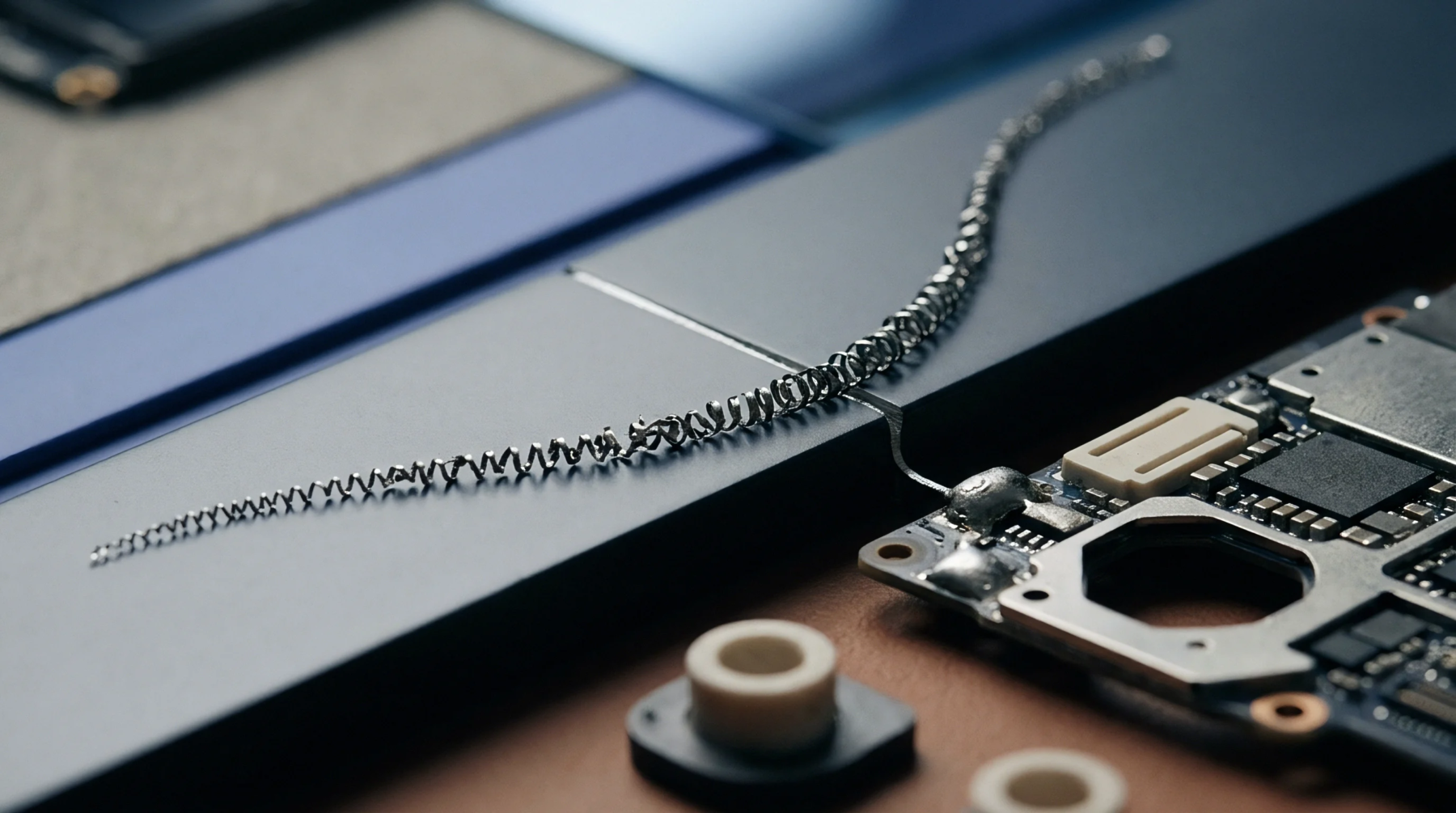
Cooling methods that extract thermal energy at rates exceeding ten thousand degrees per second produce unique microstructures in metallic alloys. Applying rapid solidification techniques allows manufacturers to bypass the formation of coarse equilibrium phases. The resulting materials often possess high strength and improved electrical properties.
Cooling Control
Grain sizes are reduced to the sub-micron or even nanometer scale during the process. Because of the high cooling rate, rapid solidification can result in the formation of metallic glasses. These amorphous structures lack the long-range order of traditional crystals.
This technology is used to produce specialized powders for additive manufacturing and thin ribbons for transformer cores.
Export Control
Export controls in the People’s Republic of China regulate the sale of equipment and technical knowledge related to advanced material processing. Licenses are required for the transfer of rapid solidification technology that can be used to produce high-strength components for dual-use applications. The Ministry of Commerce evaluates the recipient and the intended use before granting an export permit.
Unauthorized sharing of these processes can lead to severe administrative penalties and inclusion on the corporate credit blacklist.
Automated Production
Automated casting systems must maintain precise control over the coolant flow and the melt delivery speed. In a factory setting, rapid solidification is achieved using melt spinning or atomization units. Sensors monitor the temperature of the substrate and the thickness of the product in real time.
If the cooling rate deviates from the set parameters, the microstructure of the alloy will change and the batch will fail the quality check. Regular calibration of the high-speed rotating drums is necessary to ensure the consistency of the ribbons or powders. These operational records are audited by the provincial quality and technical supervision departments to verify that the factory meets the requirements for high-tech manufacturing status.
Proper maintenance of the equipment prevents the formation of brittle phases that would compromise the integrity of the final parts.